

Esther Udoh: When Nigerian children report abuse online, no one answers
About 36 million Nigerian children navigate the internet every day, left entirely to the mercy of opaque algorithms to shield them from predators. When they do encounter abuse and gather the courage to report it, they are met with generic, automated responses. The abusive content remains online, spreading across platforms and bleeding into their real-world friendships.
According to the Nigerian Communications Commission (NCC), nine out of ten Nigerian children have come across sexual content online, and over 60 per cent have experienced unwanted sexual approaches on online platforms. The implications of this are chilling. We are raising a generation of children desensitised to harm, conditioned to see digital exploitation as a normal part of life, unworthy of outrage or intervention. This is a systemic failure that corrodes the innocence of the very children who are supposed to be the future pillars of our society.
This crisis is not an accident of technology; it is a failure of platform governance. Platforms operating in Nigeria routinely escape accountability, hiding behind foreign headquarters while shaping what millions of Nigerian children see, learn and internalise.
Research by Gatefield reveals exactly how these platforms operate without regulation in Nigeria and how complicit they are in sustaining that lawlessness. Platforms have deliberately understaffed their trust and safety teams, gutted their content moderation infrastructure and optimised their algorithms for engagement over child welfare. At the same time, they lobby aggressively against any regulation that might cut into their profit margins. The result is a corporate facade designed to look responsive while remaining structurally indifferent to harm.
It is no wonder that only 33 per cent of Nigerians trust tech platforms to keep users safe, according to NCC data. The majority sit in a sceptical ‘middle ground’, perceiving these companies as opaque and profit-driven. But public scepticism is not enough to protect a child.
Nigeria boasts Africa’s largest internet population and its most significant technology ecosystem. This should represent secure national infrastructure. Instead, it represents a digital colony of 140 million users governed by foreign corporate terms of service, where children are exposed to harms that Nigerian authorities currently lack the jurisdiction to address.
Digital platforms are not exempt from state authority simply because their headquarters sit in Silicon Valley. When the United Kingdom passed its Online Safety Act in 2023, big tech companies adapted; they did not flee. Australia implemented mandatory child protection standards in 2015, and the companies stayed and adapted. Both nations reclaimed regulatory authority over the digital infrastructure within their borders, proving that a sovereign state can impose accountability without triggering economic collapse. When harm occurs within Nigeria’s borders, Nigerian law must apply.
The legislative tool to achieve this, the Child Online Access Protection Bill (HB 244), is already waiting in the Senate. Once passed, it will become the definitive law that governs digital spaces for minors and holds platforms strictly accountable.
The Senate has a constitutional mandate to protect Nigerian citizens, and inaction carries compounding, devastating costs: productivity losses as families manage digital trauma reactively, healthcare systems burdened by mental health crises linked to online abuse, and the erosion of our human capital as children’s digital development occurs in systematically unsafe conditions.
Child online safety is not a secondary issue; it is a critical national infrastructure policy. Every day without legislative action is another day children are exposed to systemic harm under laws the Nigerian state has no power to enforce. The Senate must pass the Child Online Access Protection Bill without delay. Every second counts.
- Esther Udoh is chief operations officer at the Cece Yara Child Advocacy Centre. A public health and child protection professional, she has expertise in global health, programme management, fundraising and organisational operations.

We have recently deactivated our website's comment provider in favour of other channels of distribution and commentary. We encourage you to join the conversation on our stories via our Facebook, Twitter and other social media pages.

More from Peoples Gazette

States
Independence: NBA urges Nigerians to expect better future
The NBA said that ordinary Nigerians should be deriving benefit from the subsidy removal rather than hardship.

Agriculture
FG tasks ECOWAS on leveraging financing strategies for agroecology
The federal government has urged stakeholders in the agriculture and finance sectors in the West Africa region to leverage financing strategies to enhance agroecology practices

Politics
Katsina youths pledge to deliver over 2 million votes to Atiku
“Katsina State is Atiku’s political base because it is his second home.”

Education
Jigawa education board opens bids for renovation of 11 schools
Mr Yushau urged contractors to maintain quality standards and complete the projects within the stipulated timeframe.
Opinion
Esther Udoh: When Nigerian children report abuse online, no one answers
Nine out of ten Nigerian children have come across sexual content online, and over 60 per cent have experienced unwanted sexual approaches on online platforms.

World
WHO member states to finalise pandemic agreement by May 2027ish
The WHO Director-General, Dr Tedros Ghebreyesus, commended member states for the progress made.

Heading 2
Blogger, prophet arraigned over gospel singer Toluwanisings’ corpse desecration, defamatory posts
The police urged members of the public to verify information before sharing it.
Education
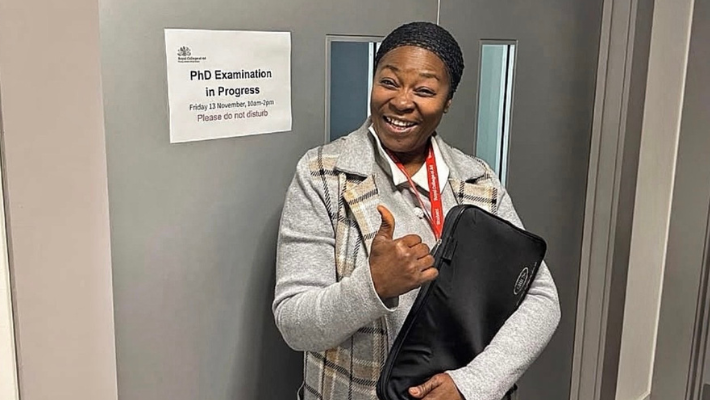
MFM GO Olukoya’s wife Folasade passes PhD examination at UK institution
Mr Olukoya urged young people to pursue their potential and avoid placing limitations on what they could achieve.

States
Shettima challenges states to convert untapped potential into investment opportunities
Cross River State Governor, Bassey Otu, said the conference held significant economic and social importance for the state.


