

Examining cryptocurrency, blockchain and trading

If we examine the financial markets, it becomes apparent that cryptocurrencies (CCs) are classified into a distinct category – that is, CCs are not considered currencies and operate under a special legal framework. By the way, CCs are also not classified as securities or commodities.
Digital currencies can only function through a computer network, but interestingly, they can be stored electronically (on a flash card, hard disk, or SSD) or on paper. CCs began to be actively used after decentralisation was ensured, that is, crypto ceased to depend on any public or private body.
In other words, your accounts cannot be seized for one reason or another, and your coins cannot be taken away. A third party does not control your transactions. The problem is that not all sites accept cryptocurrency as a means of payment, and in some regions, it is prohibited to use credit cards. Therefore, before you start trading cryptocurrencies, ensure that digital currencies are regulated in the legislative field of your region.
Blockchain
There is a single registry, a database where all records related to coins are stored, known as a “blockchain”. It displays information about who created the new coins and to whom ownership of the coins created earlier was transferred.
The blockchain is a list where new entries, called blocks, are constantly appearing. Each block is protected using a cryptographic method. If you examine one of the blocks, you can see that it contains a pointer to the previous block.
That is, if a transaction is made between two parties, it is necessarily registered in the blockchain. The blocks formed earlier cannot be changed, as all subsequent blocks would also need to be changed to accommodate this. The blockchain is a decentralised registry managed by a peer-to-peer network. In other words, the developers have successfully created a system with high fault tolerance.
Computers that connect to the crypto network are called nodes. Each node has a copy of the blockchain, and the more nodes there are, the more stable the system is. There is a way of getting rewarded for creating and maintaining new nodes.
Types of crypto coins
The most popular cryptocurrency is Bitcoin (BTC), which was created in 2009. A little later, LTC was created, which processes blocks 4 times faster than BTC. Then, other coins appeared, which became known as altcoins (all except BTC).
Ethereum is considered the second most popular cryptocurrency after Bitcoin, as it enables the use of smart contracts, which allow for the execution of applications on the blockchain. Stablecoins are virtual coins linked to real assets. For example, DGX is backed by gold; the US dollar backs USDT. Stablecoins were created to reduce the volatility of crypto. BTC’s volatility is high.
It is highly unstable in the short run. As a result, there was an idea to link CC to a fiat currency, to gold, or oil. Admittedly, some of the experiments have failed (for example, Terra cost $1, but dropped to 25 cents).
Attempts to create perfect stablecoins, though, continue. Memecoins (MCs) originated from jokes and internet memes; they are not a serious investment and are created for entertainment purposes. MCs exhibit high volatility, and dips in value are common. The most famous MC is Doge, with a dog on its logo. So, let’s list the most common types of crypto coins:
bitcoins;- altcoins;
- stablecoins;
- memecoins.
Cryptocurrency trading
Cryptocurrency (CC) is a universal digital asset that can be used in various ways: purchases, transfers, speculation, and investments. You can buy coins, or you can earn with crypto without actually buying coins.
We are referring to CFD contracts that enable you to profit from the price difference. It’s very simple: you open a long position, wait for the coin to rise, and make your profit. Brokers provide such services. To learn how to use CFDs, you should complete the free cryptocurrency trading courses on the AvaAcademy website. You can create a training program tailored to your interests by selecting the topics that are most relevant to you.
Remember that there is an opportunity to earn even more if you engage in margin trading. You can open positions using leverage, meaning you invest only part of the funds, and the broker adds the rest. If you are lucky, you may receive an increased income, but if you lose, you will waste your funds.
That’s why it’s so important to get a theoretical background at AvaAcademy. You will understand the basic concepts of trading and learn in detail what a blockchain is and how CCs work. After completing the courses, you can take the tests to determine your level.
You can join the learning process at any time using a device that is convenient for you. It is also important to take a responsible approach to choosing a broker: trust only reputable companies with a good reputation. You should minimise risks and trade cautiously in the initial stages. It is recommended to start trading in demo mode to explore the platform’s functions.

We have recently deactivated our website's comment provider in favour of other channels of distribution and commentary. We encourage you to join the conversation on our stories via our Facebook, Twitter and other social media pages.

More from Peoples Gazette

Agriculture
FG tasks ECOWAS on leveraging financing strategies for agroecology
The federal government has urged stakeholders in the agriculture and finance sectors in the West Africa region to leverage financing strategies to enhance agroecology practices

Politics
Katsina youths pledge to deliver over 2 million votes to Atiku
“Katsina State is Atiku’s political base because it is his second home.”

Abuja
Abuja: Technician arraigned for alleged theft of fans
Mr Muazu is charged with criminal breach of trust, cheating, and theft, to which he pleaded not guilty.

Rights
NHRC receives 120 complaints, resolves 75 in one month
The National Human Rights Commission in Kano said it received 120 complaints in August.

States
Cross River govt hosts 2026 international coffee festival
The Cross River government will host the 2026 International Coffee Festival on October 30 and November 1.
Rights
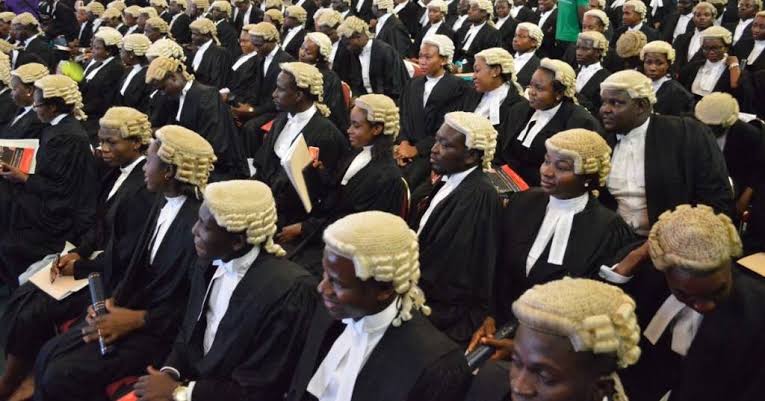
NBA urges Kaduna political actors to seek legal redress, shun violence
NBA has urged political parties, candidates and their supporters to resolve electoral disputes lawfully rather than resorting to violence.
States
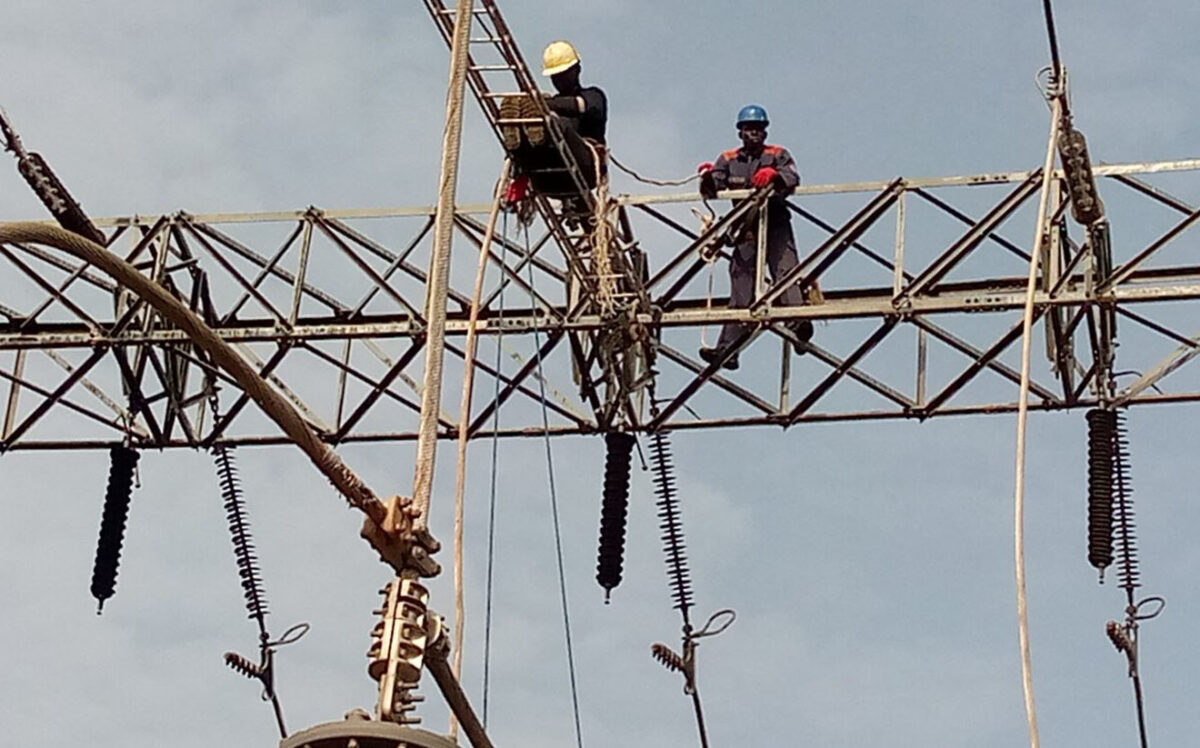
TCN begins rehabilitation of four vandalised towers on Afam-IPP-Elelenwo
The Transmission Company of Nigeria says it is currently rehabilitating four vandalised towers on the Afam-IPP-Elelenwo 132 kilovolt double-circuit line.

NationWide
Nigeria’s engagements at UNGA81 will be guided by national interest: Shettima
Vice-President Kashim Shettima says Nigeria’s engagements at the 81st Session of the United Nations General Assembly will be guided by the country’s national interest.


