

Expert advocates improved malaria data, funding
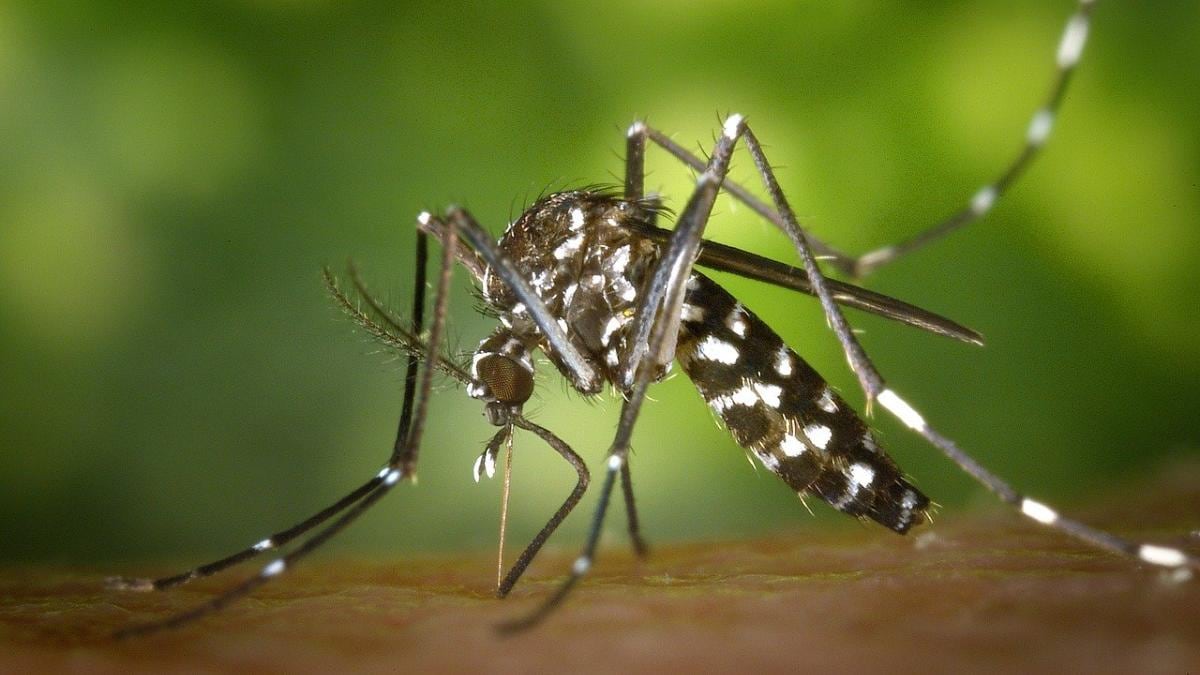
A medical expert, Olugbenga Mokuolu, has called for an improvement in Nigeria’s malaria data to reflect a realistic figure of the disease.
Mr Mokuolu, the Special Adviser to the Coordinating Minister of Health and Social Welfare on Malaria, made the call in an interview on Monday in Lagos in commemoration of World Malaria Day.
World Malaria Day, celebrated annually on April 25, highlights global efforts to end the disease, the need for sustained political commitment, and continued investment in its control and elimination.
The theme for this year’s celebration is “Accelerating the fight against malaria for a more equitable world.”
Mr Mokuolu also emphasised the need to strengthen the culture of diagnostic testing before treating malaria to document actual cases.
“In a situation where we continue to practice empirical treatment for all fever, we are going to create a false record that exaggerates the number of malaria cases.
“If 10 people come in with fever, there’s a tendency for a health worker who didn’t conduct a test on the patient to diagnose seven for malaria, and that’s what the record would reflect.
“But if you test, you will be surprised that maybe two or a maximum four out of the 10 test positive for malaria,” he said.
Mr Mokuolu noted that more in-country information had been gathered due to the entomological monitoring set-up.
He said integrating a multisectoral approach in the malaria response had become crucial to achieving an impactful intervention.
According to him, primary healthcare centres are being strengthened across the country to prevent, detect and reduce the burden of the disease.
The professor lamented that budgetary allocation to malaria had been low at the federal and state levels and called for an improvement in funding to stimulate progress.
Similarly, Wellington Oyibo, consultant medical parasitologist, said research by his team across the country showed that primary source data on malaria at health facilities were inaccurate.
Mr Oyibo lamented that overdiagnosis and over-treatment of malaria were prevalent in health facilities nationwide, as all fevers are treated as malaria, with strong economic and life-threatening effects on patients and communities.
He said training and supervision of healthcare workers were critical to improve the quality of data analysed and reviewed for targeted interventions.
(NAN)

We have recently deactivated our website's comment provider in favour of other channels of distribution and commentary. We encourage you to join the conversation on our stories via our Facebook, Twitter and other social media pages.

More from Peoples Gazette

States
Independence: NBA urges Nigerians to expect better future
The NBA said that ordinary Nigerians should be deriving benefit from the subsidy removal rather than hardship.

Agriculture
FG tasks ECOWAS on leveraging financing strategies for agroecology
The federal government has urged stakeholders in the agriculture and finance sectors in the West Africa region to leverage financing strategies to enhance agroecology practices

Politics
Katsina youths pledge to deliver over 2 million votes to Atiku
“Katsina State is Atiku’s political base because it is his second home.”

Economy
NITDA, partners to host cybersecurity confab to bolster digital resilience
NITDA says it will host an International Cybersecurity Conference to strengthen Nigeria’s cyber resilience amid growing AI-enabled threats.

Showbiz
How I survived after being hit by stray bullet: Broda Shaggi
Nigerian comedian, Samuel Animashaun Perry, aka Broda Shaggi, recounted on Wednesday how he survived a gunshot wound.
Economy
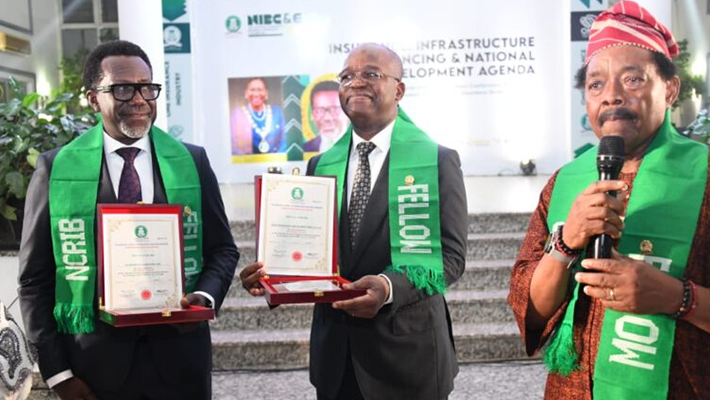
Abiru bags NCRIB fellowship for insurance sector reforms
Mukhail Abiru has received the honorary fellowship of the Nigerian Council of Registered Insurance Brokers.
Abuja
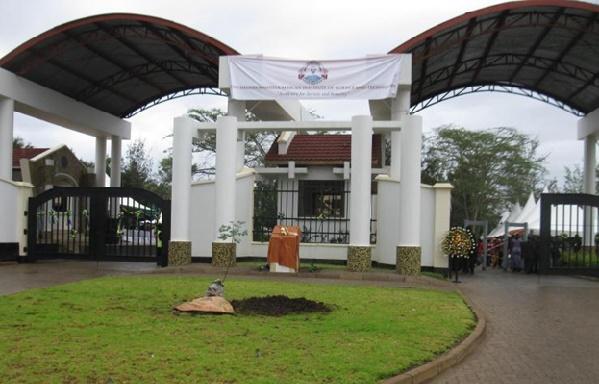
AUST hosts 5MW solar project as experts chart renewable energy roadmap
Azikiwe Onwualu, the vice-chancellor of AUST, says the institution has been selected to host a five-megawatt solar project on campus.
Heading 1
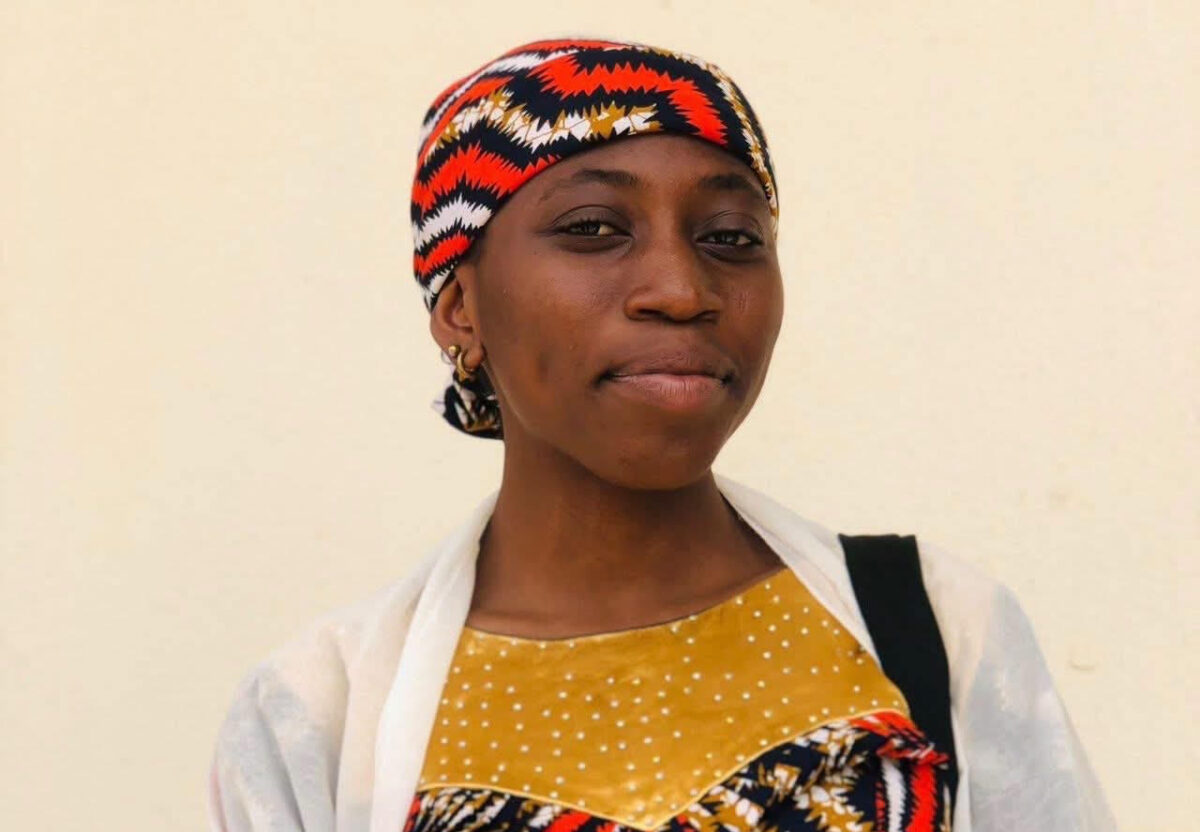
Amnesty condemns four-year prison sentence for Nigerian journalist Farida Isiak
Amnesty International has condemned the arrest and four-year prison sentence imposed on Farida Isiak, a 23-year-old journalist with Nagarta Radio in Kaduna.

Economy
Multinational bank Barclays to fire 5,000 workers to reduce costs, says AI creating efficiency
Barclays has announced plans to cut 5,000 jobs globally, representing about five per cent of its total workforce. One thousand workers already sacked.


