

Experts harp on increased agro-productivity to prevent hunger in Nigeria
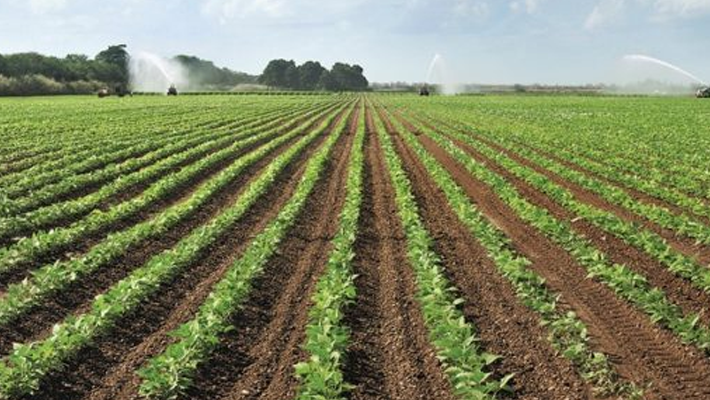
Some agriculture experts have stressed the need for all-year-round crop cultivation to prevent the acute hunger prediction in Nigeria predicted by the Food and Agriculture Organisation (FAO).
The experts made the call in separate interviews on Friday in Lagos.
The FAO predicted in its recent report that approximately 30.6 million Nigerians will likely face acute food and nutrition insecurity between June and August 2025.
An agriculture expert, Akin Alabi, described the prediction as plausible and said it could be addressed with increased agriculture productivity.
“The challenges faced in the agro sector are numerous; for example, in Nigeria, the context is always insecurity. Globally, we always have climate change issues, a factor that has greatly affected farmers’ productivity. Climate change has been a major factor that has affected agricultural productivity globally, from drought to floods, to thunderstorms and erosion, among others.
“There would always be predictions of food shortages and hunger crises; all we need to do is play our part through increased productivity,” Mr Alabi said.
Also, Omotunde Banjoko, an agriculture analyst, said hands should be on the deck to ensure year-round farming with adequate irrigation systems.
“This prediction is usually targeted to the lean season, that is, when we are done eating up all our harvests and farmers have gone to plant, and then what we have in the market is not enough. It is a period when demand outweighs the supply of agro-produce locally. So, what we can do is we need to now start having an all-year planting season.
“Enough of seasonal planting in Nigeria; that is not going to feed a population of about 200 million. We cannot still be relying solely on rain-fed agriculture,” Mr Banjoko said.
He said Nigeria must stop seasonal planting to avert food insecurity.
“We now have to stop seasonal planting, but with irrigation and then exploring and river basin authority, maximising the waters that we have, we can plant all year round and have enough food supplies.
“With that, we can stabilise the price, we can control the inflow of produce, and we also need more than ever before to start prioritising storage, both cold storage and storage for grains. This is so that we can have produce en masse; instead of produce getting rotten, we can keep them for those lean seasons and push them out of our reserves,” he said.
(NAN)

We have recently deactivated our website's comment provider in favour of other channels of distribution and commentary. We encourage you to join the conversation on our stories via our Facebook, Twitter and other social media pages.

More from Peoples Gazette

States
Independence: NBA urges Nigerians to expect better future
The NBA said that ordinary Nigerians should be deriving benefit from the subsidy removal rather than hardship.

Agriculture
FG tasks ECOWAS on leveraging financing strategies for agroecology
The federal government has urged stakeholders in the agriculture and finance sectors in the West Africa region to leverage financing strategies to enhance agroecology practices

Politics
Katsina youths pledge to deliver over 2 million votes to Atiku
“Katsina State is Atiku’s political base because it is his second home.”

NationWide
NDLEA boss commends security agencies for rescuing 20 kidnapped NYSC members
The NDLEA chair also acknowledged what he described as a series of successful rescue operations conducted by security agencies nationwide.

States
Kogi governor pardons convicted rapists, murderers as residents fear 2027 election violence
Mr Ododo announced pardons and other forms of executive clemency to 101 inmates and convicts across the state.

NationWide
Moove exits Nigeria one month after Uber, plans transfer of vehicles to employees
The fintech company operated a drive-to-own policy for vehicles allowing customers to become full owners after payment was completed.

States
Group urges FG, stakeholders to end child marriage
Mrs Adeniyi-Fashola identified awareness as key tool towards curbing child marriage.

States
2027: INEC urges security agencies to protect electoral officers, materials
The REC, therefore, reassured stakeholders that the upcoming election results would be determined solely by the votes of the masses.

States
NSCDC nabs suspected cable vandals in Ilorin
The NSCDC said efforts were ongoing to apprehend other persons suspected to be involved in the activities.


