

Experts push for stronger vaccine to combat Lassa fever
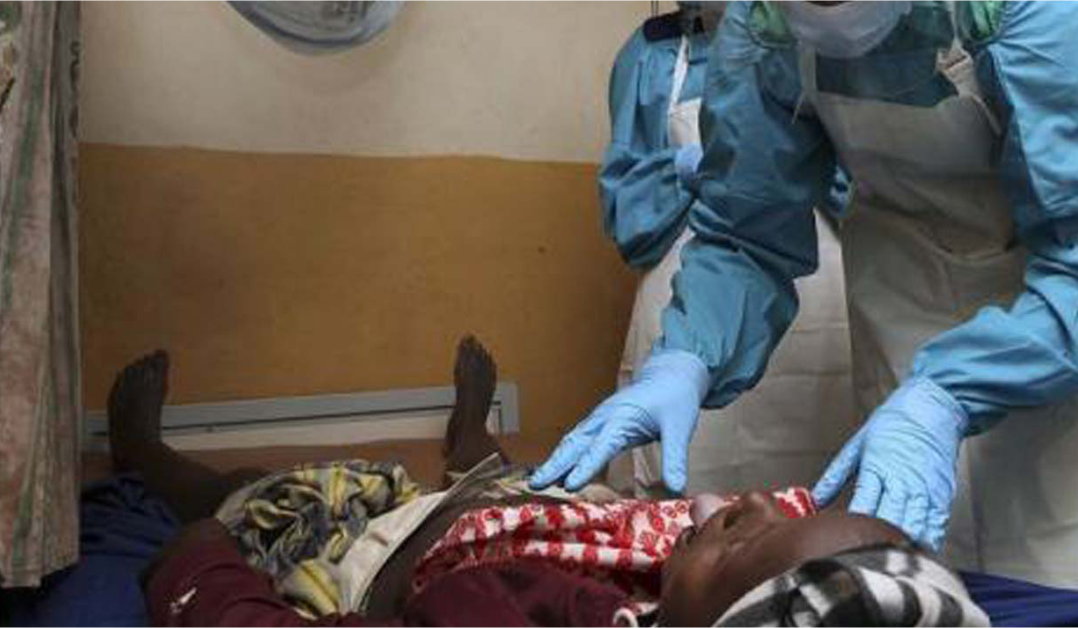
Global health experts have renewed calls for Africa to strengthen vaccine research and development (R&D), regulatory frameworks, and local manufacturing capacity to combat Lassa fever and bolster preparedness.
The experts made the call in an interview with journalists on the sidelines of a high-level health forum in Abidjan.
The theme of the event was “Strengthening regulatory frameworks, building production capacity, and partnerships for vaccine R&D”.
It focused on how Africa could move from dependency on foreign suppliers to building sustainable systems that ensure equitable vaccine access for its people.
Every year, Lassa fever, viral haemorrhagic illness, threatens hundreds of thousands of lives across West Africa.
It is spread by rodents and human-to-human transmission, and continues to claim lives and overwhelm fragile health systems.
Nigeria, Liberia, Sierra Leone, and Guinea remain the most affected, but outbreaks have been reported in other countries.
Despite decades of research, there is still no licensed vaccine against the disease, leaving millions vulnerable. Current interventions focus mainly on early detection, treatment with Ribavirin, and preventive measures.
Nicaise Ndembi, IVI Africa regional director, said that developing a vaccine was only half the battle.
“We need strong regulatory systems that can review and approve vaccines quickly, and we need local capacity to produce them on the continent,” he said.
Mr Ndembi stressed the importance of regional leadership in building an African vaccine ecosystem.
He cited Rwanda’s growing investments in biotechnology and vaccine manufacturing as examples of what could be achieved when West African governments prioritise long-term health security.
He said that the region could not afford to remain on the sidelines while waiting for global suppliers during outbreaks, as was seen during the COVID-19 pandemic.
Oyeronke Oyebanji, head of Lassa engagement at the Coalition for Epidemic Preparedness Innovations (CEPI), spoke on the evolution of research on Lassa fever.
Ms Oyebanji highlighted progress in vaccine, therapeutics and diagnostics development.
She stressed the need for sustained leadership at both national and regional levels, as well as increased resources to accelerate the journey towards a licensed vaccine.
She highlighted the importance of partnerships between governments, academia, civil society and industry in creating an enabling environment for vaccine development.
Michael Lusiola of RVMC described ongoing collaborative efforts to build rapid-response vaccine manufacturing networks across Africa.
Daryl Drummond of Akagera Medicines provided insights into how biotechnology companies could support Africa’s vaccine pipeline with innovation and expertise.
From a research perspective, Joe Fitchett of Institut Pasteur, Dakar, stressed the role of African laboratories and institutions in conducting high-quality clinical trials.
Morenike Ukpong of Obafemi Awolowo University, Ife, reminded stakeholders that community trust was equally critical to sustaining vaccine markets.
On regulation, Kwasi Nyarko of the African Vaccine Regulatory Forum (AVAREF) called for harmonised regulatory systems across African countries to accelerate approvals without compromising safety.
Meanwhile, speakers agreed that strengthening Africa’s vaccine manufacturing and regulatory autonomy went far beyond Lassa fever.
They said that it was about building resilience against the next pandemic threat.
They said that the COVID-19 pandemic exposed the vulnerabilities of Africa’s dependence on imported vaccines, where delayed access cost lives.
Experts at the session said that regional capacity would allow Africa to respond with speed, equity and justice in future health emergencies.
They said that strengthening vaccine R&D and manufacturing was not just about science; but also about sovereignty, preparedness and survival.
The discussions in Abidjan reflected a growing consensus that Africa must chart its own vaccine future.
By investing in regulatory frameworks, scaling up production capacity, and deepening partnerships, the region has the opportunity to curb diseases like Lassa fever and also protect itself against global health shocks.
The experts resolved that a vaccine can not remain on a shelf but must find its way to the arms of people who need it most.
(NAN)

We have recently deactivated our website's comment provider in favour of other channels of distribution and commentary. We encourage you to join the conversation on our stories via our Facebook, Twitter and other social media pages.

More from Peoples Gazette

States
Independence: NBA urges Nigerians to expect better future
The NBA said that ordinary Nigerians should be deriving benefit from the subsidy removal rather than hardship.

Agriculture
FG tasks ECOWAS on leveraging financing strategies for agroecology
The federal government has urged stakeholders in the agriculture and finance sectors in the West Africa region to leverage financing strategies to enhance agroecology practices

Politics
Katsina youths pledge to deliver over 2 million votes to Atiku
“Katsina State is Atiku’s political base because it is his second home.”
Lagos
Funding major challenge impeding Lagos development: Hamzat
Mr Hamzat said Lagos had developed the structures and capacity to implement its development plans but required sustainable funding.
Uncategorized
FG pays academic, non-teaching allowances to tertiary institution staff
The minister said the unveiling marked a significant milestone in the government’s efforts to improve staff welfare.

States
Gov. Oyebanji sacks heads of agencies, technical advisers
The governor, however, noted that a few appointments had been retained given the nature of the officials’ assignments.
Africa
Ghana repatriates 120 Nigerians arrested in Yahoo Boys’ hideout crackdown
Mr George said a joint operation by U.S., UK, Ghanaian, and Nigerian forces led to the arrests.

World
World Bank launches Philanthropy Hub to connect donors with development projects
The statement noted that philanthropic organisations are already contributing to World Bank Group initiatives.

Abuja
Ajaero using FCT teachers’ strike to ‘cripple’ govt for ADC, says Wike
Mr Wike insisted that his administration has met its financial obligations and invested heavily in public school infrastructure.


