

Experts seek sanctions against promoters of public health misinformation

The coordinator of the Africa Infodemic Response Alliance (AIRA), Elodie Ho, has called for disciplinary action against promoters and perpetrators of misinformation and disinformation in public health.
Ms Ho made the call on Tuesday during a webinar organised by Nigeria Health Watch, titled “Evidence-Based Frameworks for Networked Infodemic Management.”
She warned that the absence of accountability enabled the continued spread of harmful narratives.
Misinformation is false or inaccurate information shared without intent to deceive, while disinformation is false information deliberately spread to mislead.
According to Ms Ho, both have significantly undermined public health responses globally.
“The absence of penalties for disinformation allows it to flourish.
“We are left trying to undo damage that could have been prevented. Legal accountability must be part of the solution,” she said.
Ms Ho noted that since the onset of the COVID-19 pandemic, countries around the world had struggled to manage the rapid spread of false health information, particularly on social media platforms.
She said misinformation contributed to vaccine hesitancy, distrust in public health institutions, and confusion over treatment protocols, factors that severely hampered disease control efforts.
To address this, she said that AIRA adopted a four-pillar strategy: identify, simplify, amplify, and quantify to help countries track, analyse and respond to misleading narratives in real time.
She emphasised that the frameworks must be practical, adaptable, and applied in collaboration across sectors.
“We need to go beyond the health sector. The justice system, education, technology and communication actors all have a role in building resilience to misinformation,” she said.
In her opening remarks, , managing director of Nigeria Health Watch, Vivianne Ihekweazu, said trust was the bedrock of effective health communication and was easily eroded by falsehoods.
She said, “As World Health Organisation (WHO) has reminded us, trust is everything. Once lost, it’s incredibly difficult to rebuild. The public is overwhelmed and unsure of where to find credible health information. They are looking for honest, empathetic voices to guide them. This is why today’s conversation is critical, we must move from ad hoc reactions to structured, scalable systems for infodemic management.’’
Ms Ihekweazu stressed the need for evidence-based frameworks that were scalable, adaptable, and rooted in community realities, noting that infodemic management could not be a one-off campaign but an ongoing, networked process.
Also speaking, executive director of Resilience Action Network Africa (RANA), , Aggrey Aluso, said that the world learned from COVID-19 that having the facts alone was not enough.
“Truth without structure can be drowned out. In the age of viral lies, coordination is not optional; it is our only difference,” Mr Aluso said.
He called for proactive communication, narrative labs, and pre-bunking strategies.
Representing the Nigeria Centre for Disease Control and Prevention (NCDC), Michael Okali, shared the agency’s integrated risk communication approach, based on WHO’s model.
The approach, he said, included social listening, stakeholder coordination, and strategic use of communication channels.
He said the NCDC worked with traditional institutions, media houses, and community-based organisations to ensure culturally sensitive and consistent messaging across all levels.
The webinar brought together experts in health communication, digital technology, and policy to explore sustainable, cross-sectoral approaches to countering the infodemic that continues to challenge public health systems worldwide.
(NAN)

We have recently deactivated our website's comment provider in favour of other channels of distribution and commentary. We encourage you to join the conversation on our stories via our Facebook, Twitter and other social media pages.

More from Peoples Gazette

States
Independence: NBA urges Nigerians to expect better future
The NBA said that ordinary Nigerians should be deriving benefit from the subsidy removal rather than hardship.

Agriculture
FG tasks ECOWAS on leveraging financing strategies for agroecology
The federal government has urged stakeholders in the agriculture and finance sectors in the West Africa region to leverage financing strategies to enhance agroecology practices

Politics
Katsina youths pledge to deliver over 2 million votes to Atiku
“Katsina State is Atiku’s political base because it is his second home.”
Entertainment
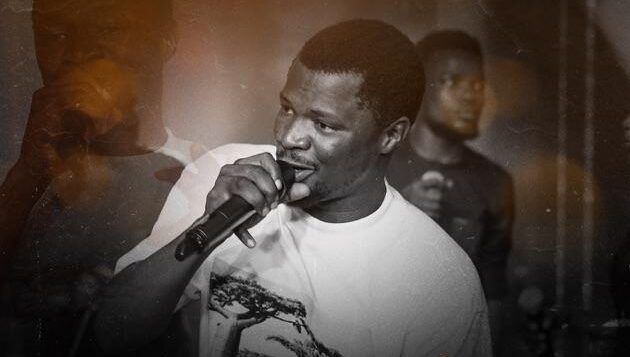
Family confirms gospel artiste Toluwanisings’ demise
The family said funeral arrangements for the gospel artiste would be communicated later.
Heading 2
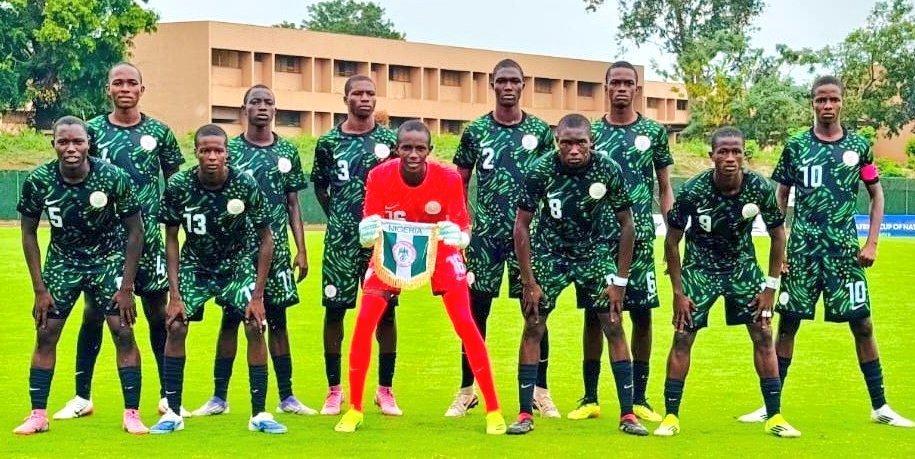
Golden Eaglets lose 2-1 to Niger Republic in WAFU U-17 AFCON qualifier
The result means Niger Republic top the group with four points after two matches.
States
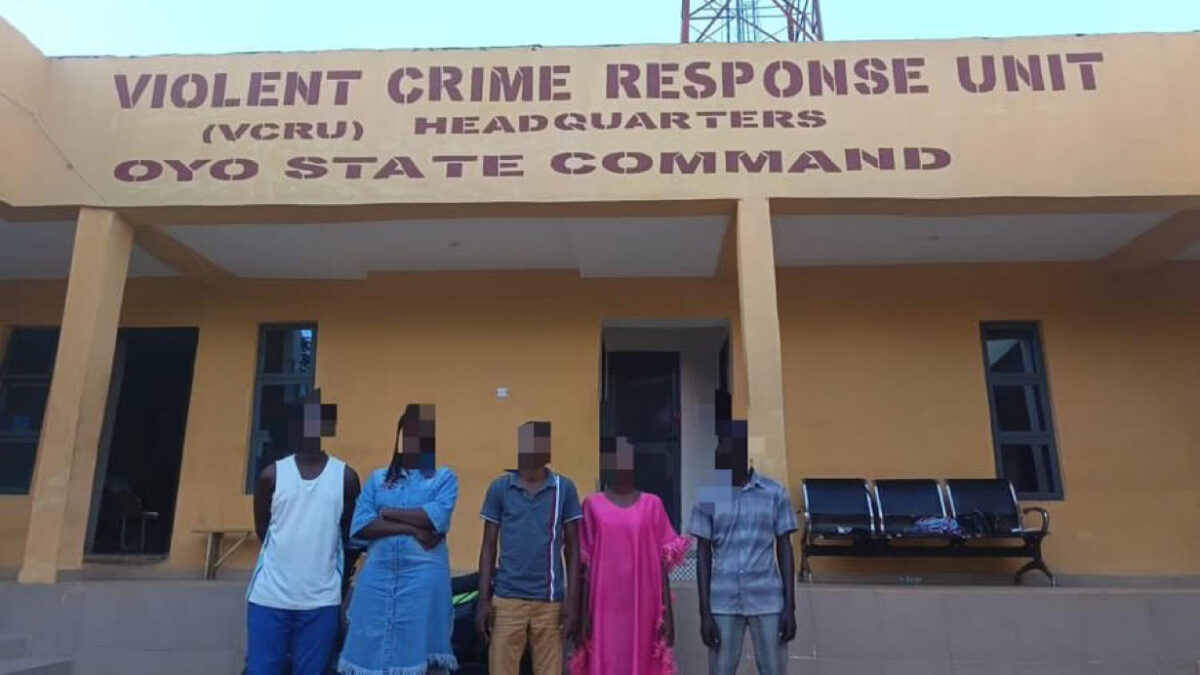
Human Trafficking: Police rescue Congolese nationals in Oyo
Mr Olayinka said the suspect was not found at the hotel during the operation.
Heading 5
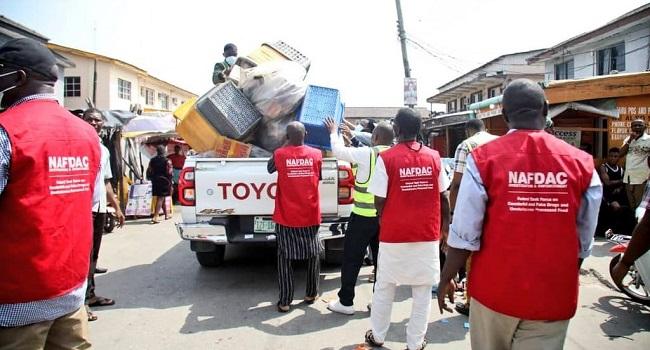
NAFDAC raids Aba market, seizes fake packaging materials worth N200 million
NAFDAC stated that an invitation had been extended to the market union chairman.

States
Osun police nab man for allegedly defiling 15-year-old girl
Mr Ojelabi explained that the suspect used his closeness to the family to perpetrate the act.
States
Troops nab five ISWAP collaborators, rescue kidnap victim
The report that the suspects and recovered items were in military custody for further investigation.


