

Experts, UN seek action for reparatory justice for people of African descent
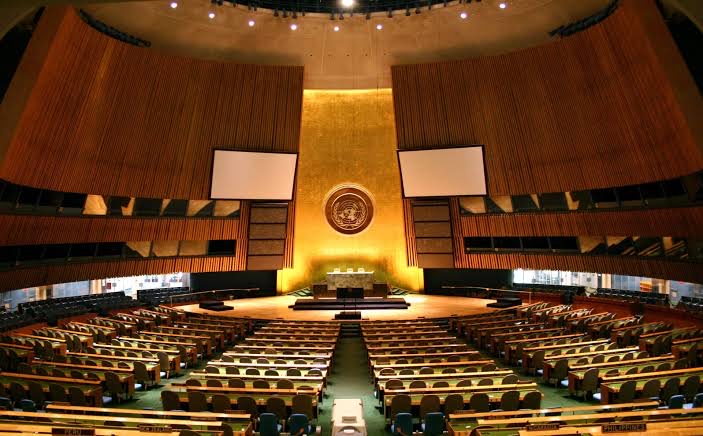
Experts and UN leaders have emphasised reparatory justice to tackle the grave human rights violations deeply entrenched in the legacy of colonialism and enslavement.
The experts and leaders said this while addressing the General Assembly on Thursday, the International Day for the Elimination of Racial Discrimination, which is annually marked on March 21.
While the decade ends in 2024, much work remains to be done, General Assembly President Dennis Francis told the world body.
To galvanise action-based efforts, he announced a meeting focusing on the issue of reparatory justice, to be held on Monday on the International Day of Remembrance of the Victims of Slavery and the Transatlantic Slaves Trade globally marked on March 25.
People of African descent face many prejudices and injustices through legacies of slavery and colonialism, from police brutality to inequalities, he said, stressing that the world must take action to protect their human rights fully.
“Racism and racial discrimination are a flagrant violation of human rights,” he said. “It is morally wrong, has no place in our world and must therefore be roundly repudiated.”
The results of the legacy of enslavement and colonialism are “devastating,” UN Secretary-General Antonio Guterres said in a statement delivered by UN chef de cabinet Courtenay Rattray.
Pointing to opportunities stolen, dignity denied, rights violated, lives taken, and lives destroyed, he said, “Racism is an evil infecting countries and societies around the world.”
While racism is “rife”, it impacts communities differently.
“People of African descent face a unique history of systemic and institutionalised racism and profound challenges today,” the UN chief said. “We must respond to that reality, learning from and building on the tireless advocacy of people of African descent.”
Mr Rattray said racism was entrenched in social structures, policies and the realities of millions today, violating people’s dignity and rights while fuelling silent discrimination in health, housing, education and daily life.
“It is high time we shook ourselves free,” he said, calling for action.
“Commemoration is not enough. Eliminating discrimination requires action.”
That included countries and businesses delivering reparatory justice, he said.
(NAN)

We have recently deactivated our website's comment provider in favour of other channels of distribution and commentary. We encourage you to join the conversation on our stories via our Facebook, Twitter and other social media pages.

More from Peoples Gazette

States
Independence: NBA urges Nigerians to expect better future
The NBA said that ordinary Nigerians should be deriving benefit from the subsidy removal rather than hardship.

Agriculture
FG tasks ECOWAS on leveraging financing strategies for agroecology
The federal government has urged stakeholders in the agriculture and finance sectors in the West Africa region to leverage financing strategies to enhance agroecology practices

Politics
Katsina youths pledge to deliver over 2 million votes to Atiku
“Katsina State is Atiku’s political base because it is his second home.”

World
U.S. Attacks: Iran’s IRGC threatens to invade countries, strike American military bases
Iran’s Islamic Revolutionary Guard Corps has threatened to attack neighbouring countries and American bases amid renewed attacks from the United States.
States
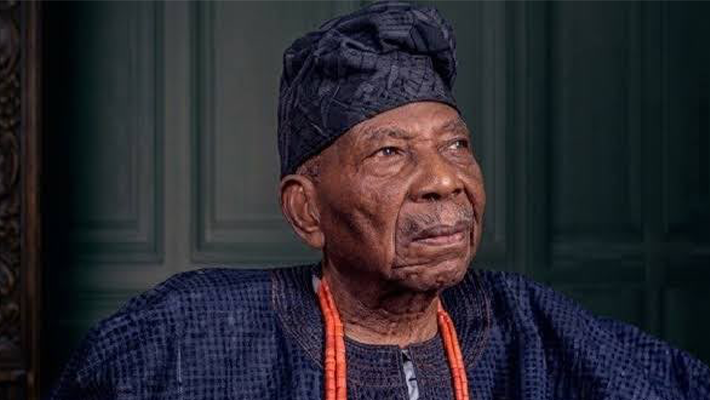
Family releases burial timetable for Afenifere leader Fasoranti
The family of the late Afenifere leader and elder statesman, Reuben Fasoranti, has announced burial arrangements for the Yoruba leader.
Anti-Corruption
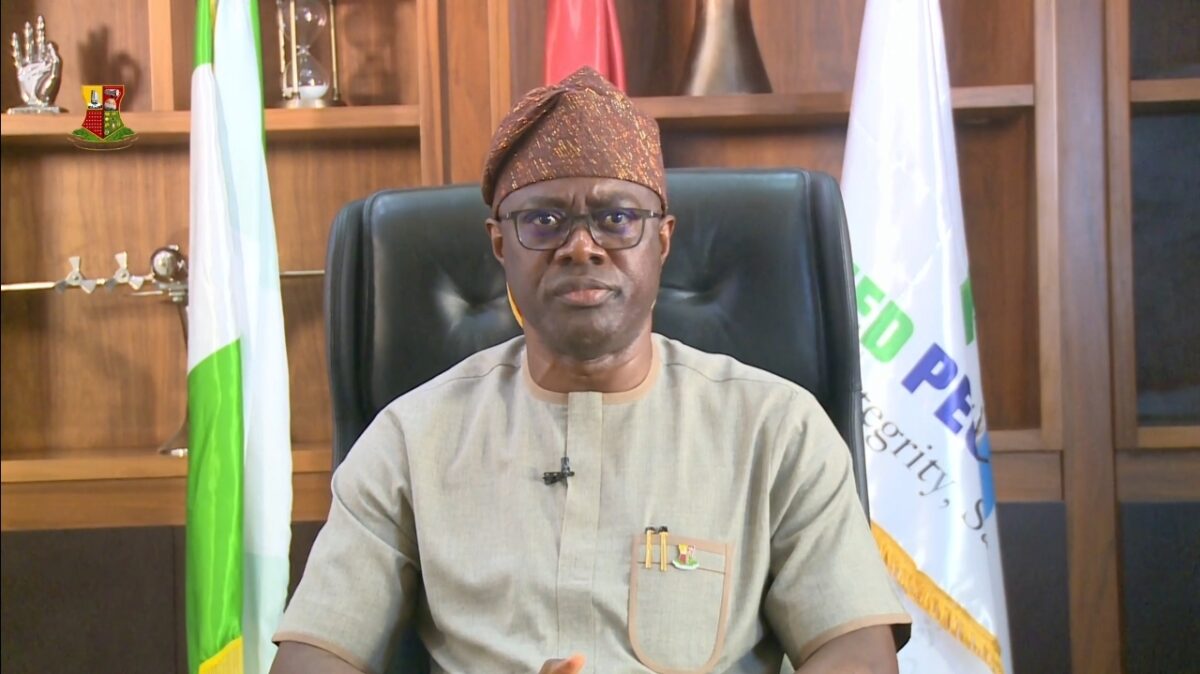
Lawyer petitions EFCC to probe Makinde’s spending, N30 billion Bodija explosion fund
A legal practitioner, Akinloye Olusegun, has petitioned EFCC to investigate Governor Seyi Makinde’s expenditures from his assumption of office in 2019 to 2026.
Education
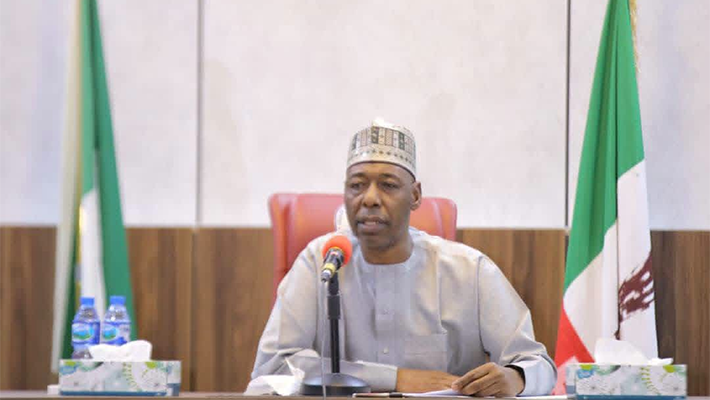
Gov Zulum seeks AU support to return 800,000 out-of-school children to classrooms
Mr Zulum pledged to strengthen the state’s partnership with the African Union to expand access to education for about 800,000 out-of-school children.
Rights
KSACA moves to standardise premarital medical certificates in Kano
It said the engagement also aimed to develop practical mechanisms for issuing and disseminating uniform premarital medical certificates across Kano’s 44 council areas.

Lagos
Lagos: At least one killed in Fadeyi building collapse
The Lagos government said the cause of the collapse had not yet been determined and relevant regulatory agencies would investigate it.


