

Extreme heat now permanent public health crisis in Europe: WHO
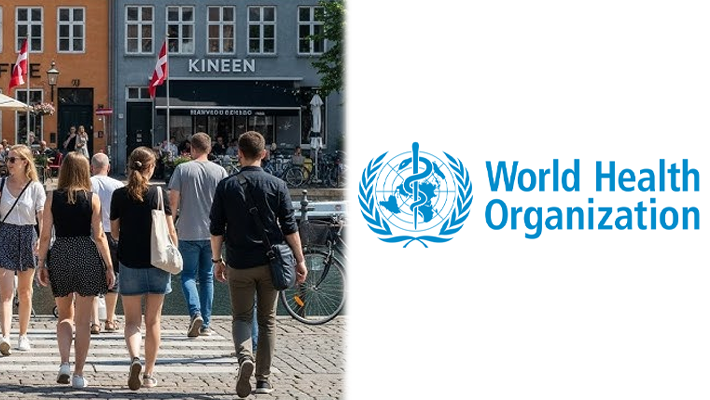
The World Health Organisation (WHO) has warned that extreme summer heat is no longer an occasional weather condition but “a permanent public health crisis” in Europe, with young children, pregnant women, and people with chronic conditions at risk.
The WHO described severe heat as a critical public health issue exacerbated by climate change in a statement on Heat Action Day, commemorated globally on June 2 to raise awareness of the risks of heat.
“No longer just an exceptional seasonal phenomenon, extreme summer heat is a critical public health issue amplified by climate change.
“Not just an inconvenience, it is a silent threat that can affect health, strain infrastructure, overwhelm hospitals, cause suffering, and claim lives,” it said.
The global health body said that though the entire population might be affected, the impact of extreme heat varies and older people, outdoor workers, and those in mass gatherings were also at risk.
It said tourists, athletes, refugees, and migrants with inadequate housing were also exposed to risks posed by extreme heat.
The WHO emphasised the importance of countries’ “comprehensive and systemic approach to preparation and response” to heatwaves as summer draws near.
The organisation said its regional office for Europe will launch guidance on heat–health action plans (HHAPs) on June 11 to help governments plan for extreme heat during summer.
It recommended developing HHAPs to help countries prepare for, respond to, and mitigate heat-related health risks, noting that some countries had already implemented such plans.
“However, several countries still have no plans in place, leaving their people and health systems at risk,” it said.
The organisation called for increased public awareness and protective behaviours to reduce the adverse effects of extreme heat.
It cautioned the public against strenuous activity, leaving minors and adults in parked vehicles during the hottest time of the day, and consuming sugary, alcoholic, or caffeinated drinks.
The health body urged increased water intake, spending time in cool environments, reducing indoor heat exposure, and wearing loose-fitting, light clothing.
“People at increased risk of threats to health from extreme heat might need assistance on hot days. If anyone you know is at risk, help them to get advice and support,” it appealed to the public.
With global temperatures rising, extreme heat driven by climate change has become a major health challenge in parts of Europe, as health experts warn that vulnerable groups are at risk.
Last month, the Pan-European Commission on Climate and Health called for climate change to be treated as a public health emergency.
The commission urged heads of government to prioritise funding for climate action, which it described as a primary security risk.
In 2023, the WHO Regional Director for Europe, Hans Henri P. Kluge, declared the climate crisis and extreme weather a public health emergency.
In 2024, the United Nations Secretary-General António Guterres issued a “Call to action on extreme heat” to increase protection for vulnerable populations.

We have recently deactivated our website's comment provider in favour of other channels of distribution and commentary. We encourage you to join the conversation on our stories via our Facebook, Twitter and other social media pages.

More from Peoples Gazette

States
Independence: NBA urges Nigerians to expect better future
The NBA said that ordinary Nigerians should be deriving benefit from the subsidy removal rather than hardship.

Agriculture
FG tasks ECOWAS on leveraging financing strategies for agroecology
The federal government has urged stakeholders in the agriculture and finance sectors in the West Africa region to leverage financing strategies to enhance agroecology practices

Politics
Katsina youths pledge to deliver over 2 million votes to Atiku
“Katsina State is Atiku’s political base because it is his second home.”
Economy
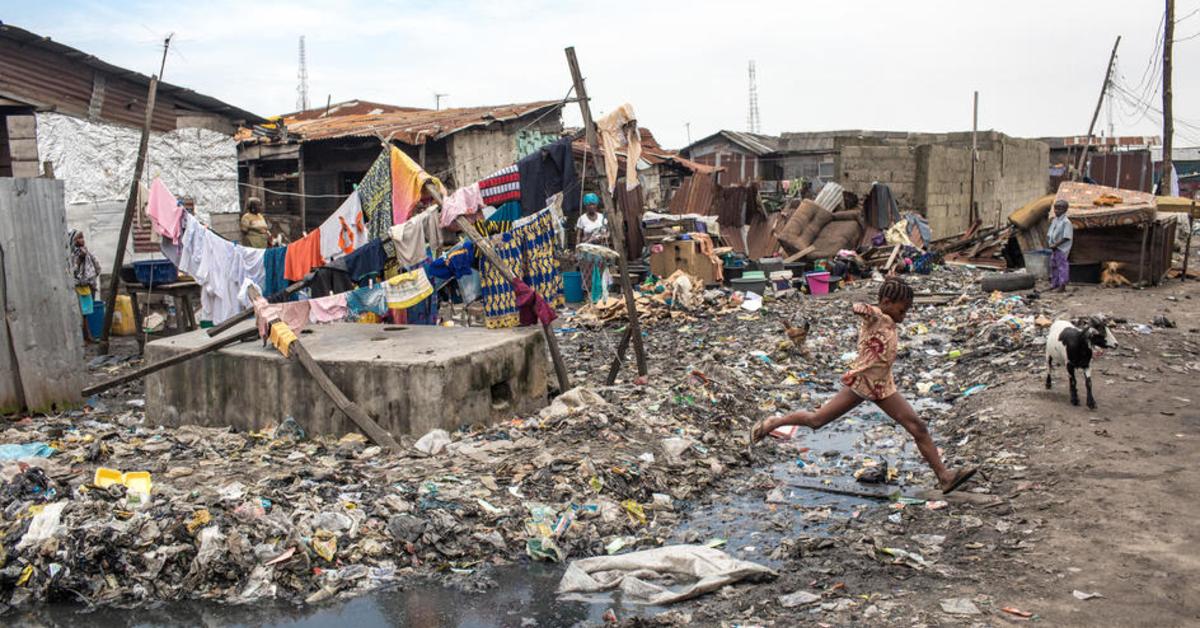
1.2 billion Nigerians, others living in multidimensional poverty: UNDP Report
Of the 1.2 billion, more than half are children. The report stated that 617 million children still lack access to education, electricity, clean water, etc.
Economy
Nigeria unveils 65 investment opportunities to boost growth, jobs
Nigeria has unveiled 65 investment opportunities across key sectors to attract domestic and foreign investments, create jobs and accelerate economic growth.
Lagos
Paradigm Initiative opens applications for 2026 Taiwo Bankole Scholarship in Lagos
The scholarship continues the legacy by helping young people in the community access higher education and pursue their ambitions, regardless of financial barriers.

Economy
New master plan to grow capital market to N750 trillion: SEC
The Securities and Exchange Commission says the new Nigeria Capital Market Master Plan (NCMMP) 2.0 targets market growth from N250 trillion to N750 trillion.

Economy
Shell to sell Nigeria gas distribution business to Vaaris Energy
Meanwhile, the company said the transaction was still subject to regulatory approval, and Shell Nigeria Gas Group would remain part of Shell until the deal was sanctioned.
States
NAF recovery team, navy, NSIB divers recover crashed aircraft components
The Nigerian Air Force says recovery teams have retrieved additional components from its ATR 42-500 aircraft that crashed in Igbokoda village of Ondo.


