

Fake medicines kill about 500,000 Nigerians, other sub-Saharan Africans yearly: UNODC Report
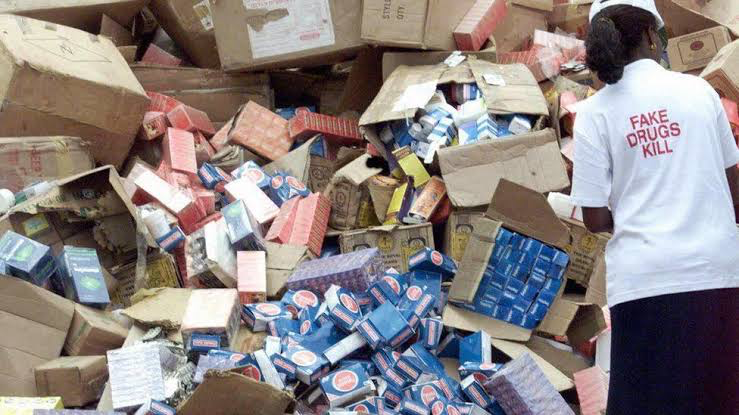
The United Nations Office on Drugs and Crime (UNODC) says trafficked medical products kill almost half a million sub-Saharan Africans, including Nigerians, every year, noting that action is needed to stem the flow.
UNODC stated this in its new threat assessment report published on Monday.
The report noted that a lack of access to healthcare and medicines had been fuelling a host of opportunists aimed at filling the gaps, the report Trafficking in Medical Products in the Sahel shows.
But, it stated that this supply and an imbalance in demand had triggered deadly results.
In sub-Saharan Africa, the transnational organised crime threat assessment found that as many as 267,000 deaths per year are linked to falsified and substandard antimalarial medicines.
In addition, up to 169,271 are linked to falsified and substandard antibiotics used to treat severe pneumonia in children.
Trafficking these products is also taking a direct economic toll on affected countries.
The World Health Organisation (WHO) estimates that caring for people who have used falsified or substandard medical products for malaria treatment in sub-Saharan Africa costs between $12 million to $44.7 million every year.
International operations saw more than 605 tons of medical products seized in West Africa between January 2017 and December 2021.
Typically, these products travel through mainstream international trade channels, mainly by sea.
Diverted from the legal supply chain, the products often come from major exporting countries to the Sahel region, including China, Belgium, France and India. Others are manufactured in neighbouring States.
Once in West Africa, smugglers move medical products by bus, cars and trucks to the Sahel, following existing trafficking routes, to avoid border controls.
Terrorist groups and non-State armed groups are commonly associated with medical product trafficking in the Sahel, but their involvement is limited. These groups levy “taxes” in areas they control, or they abuse the drugs themselves.
News reports on drug use for non-medicinal purposes among terrorist groups have documented an Al-Qaida affiliate in Côte d’Ivoire and former Boko Haram recruits in Nigeria using or attempting to buy the opioid-like clonazepam (Rivotril) since at least 2016.
At the same time, the UNODC report states that investigations have uncovered a variety of actors involved in the illicit medical product trade. Traffickers include pharmaceutical company employees, public officials, law enforcement officers, health agency workers and street vendors.
The African Union established the African Medicines Regulatory Harmonization initiative in 2009 to improve access to safe, affordable medicine.
The effort is part of its Framework on Pharmaceutical Manufacturing Plan for Africa. In addition, all Sahel countries but Mauritania have ratified a treaty to establish the African Medicines Agency.
Recognising these achievements, the UNODC report offered recommendations. Among them was introducing or revising legislation to prevent all related offences, such as smuggling, money laundering and corruption.
(NAN)

We have recently deactivated our website's comment provider in favour of other channels of distribution and commentary. We encourage you to join the conversation on our stories via our Facebook, Twitter and other social media pages.

More from Peoples Gazette

States
Independence: NBA urges Nigerians to expect better future
The NBA said that ordinary Nigerians should be deriving benefit from the subsidy removal rather than hardship.

Agriculture
FG tasks ECOWAS on leveraging financing strategies for agroecology
The federal government has urged stakeholders in the agriculture and finance sectors in the West Africa region to leverage financing strategies to enhance agroecology practices

Politics
Katsina youths pledge to deliver over 2 million votes to Atiku
“Katsina State is Atiku’s political base because it is his second home.”
Heading 2
Court overrules El-Rufai’s objection to DSS forensic witness
Mr El-Rufai arrived at court amid heavy security, accompanied by his wife and Isa Kudan, the ADC governorship candidate in Kaduna State.
World
Trump fires U.S. ambassador Kimberly Guilfoyle after allegations she demanded money from donor
Mr Trump had said he was considering firing Ms Guilfoyle amid allegations that she demanded $100,000 from a political donor
States
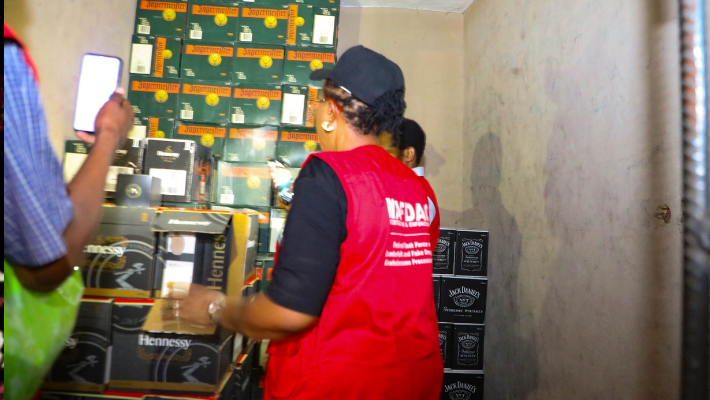
NAFDAC nabs two suspects over counterfeit alcoholic beverages in Lagos
NAFDAC said the suspects also revalidated expired and unsafe beverages for resale and stockpiled banned imported products.
States
Troops arrest suspected arms racketeers in Anambra
The army added that the suspects are currently in the custody of the 302 Artillery Regiment for further investigation.

World
Pope Leo XIV diagnosed with lung cancer after surgery: Vatican
The Vatican on Tuesday said Pope Leo XIV’s surgery to remove a nodule from his lungs confirms he has cancer.
Hot news Home top
63-year-old Duane ‘Keffe D’ Davis sentenced to 40 years for murder of Tupac
Shakur was killed in a drive-by shooting in Las Vegas while he visited the city to see a Mike Tyson boxing bout.


