

SSS as financial watchdog curtailing multibillion cyber fraud in Nigeria

In an era where cybercriminals have turned technology into a weapon of deception, Nigeria’s State Security (SSS) has stepped out of the shadows to become one of the most strategic defenders of the nation’s financial integrity.
Through intelligence-led operations and deep collaboration with banks, the service has been quietly curtailing multibillion-naira financial fraud, particularly in Lagos and Abuja, the beating hearts of Nigeria’s banking system.
Traditionally viewed as a counter-espionage and internal security agency, the SSS now plays an unexpected, yet crucial role as Nigeria’s financial watchdog, monitoring cryptocurrency channels, dark web chatter, purchase of foreign currency in the parallel market, and high-risk digital wallets used by fraud syndicates to launder stolen funds.
Cyberfraud, once perceived as a purely economic nuisance, has evolved into a national security threat. The scale of the problem is staggering. Industry data revealed that Nigerian banks lost about N17.67 billion in 2023, while cumulative losses rose to over N52 billion in 2024 — nearly triple the 2020 figure. Lagos, alone, accounted for roughly half of those losses.
Fraud schemes have become increasingly sophisticated, from phishing attacks and cloned banking apps to insider collusion and cryptocurrency-based laundering. For years, these crimes undermined investor confidence and put pressure on regulatory institutions. But the DSS’s growing intervention has begun to change the narrative.
The SSS: Guarding the economy in silence
Unlike the more visible Economic and Financial Crimes Commission (EFCC), the SSS focuses on prevention — relying on early-warning intelligence and cyber-forensics rather than media-driven arrests.
“Our work goes beyond investigations. We track suspicious transactions, follow the digital trails, and identify insider collusion before damage is done. That’s how you protect a nation’s economy from collapse,” a senior official of the service explained the agency’s evolving mission.
This quiet vigilance has enabled the Service to neutralise major cyberfraud syndicates and foil countless attempts at siphoning billions from the banking network.
In 2024, the SSS secured court orders to freeze 12 bank accounts linked to two Abuja-based businessmen, Abubakar Sheu and Ibrahim Isyaku Mahuta, over allegations of advance-fee fraud and terrorism financing. The accounts, spread across Ecobank, FCMB, GTBank, and Sterling Bank, held proceeds from fraudulent transactions worth hundreds of millions of naira.
Acting under the Terrorism Prevention and Prohibition Act 2022, the SSS treated the case not merely as economic sabotage but as a threat to national security.
That same year, SSS operatives in Lagos uncovered a complex scheme that diverted N1.426 billion from Fouani Nigeria Limited’s Access Bank account into multiple accounts across GTBank, Zenith, UBA, FCMB, and Providus Bank.
Armed with intelligence and swift legal backing, the SSS obtained a post-no-debit order to freeze the accounts for 90 days, preventing the syndicate from moving the stolen funds offshore.
These two cases, though distinct, symbolise a broader pattern — the SSS is becoming a key barrier between fraud syndicates and Nigeria’s financial lifelines.
However, the agency’s success stems largely from collaboration. It works closely with the Central Bank of Nigeria (CBN), the Nigeria Financial Intelligence Unit (NFIU), and the EFCC, sharing real-time intelligence and coordinating account freezes.
In the second quarter of 2024, when Nigerian banks reportedly lost N42.6 billion to fraud, the SSS was involved in over 30 joint investigations that helped trace and intercept suspicious flows of money through Lagos and Abuja accounts. The high-level investigations, which started late last year and are still ongoing, highlight how financial fraud can intersect with broader destabilisation agendas.
Beyond investigations, the SSS has also deepened its collaboration with the banking community through regular security briefings, capacity-building workshops, and real-time intelligence sharing. The impact of these efforts is becoming evident. Several banks in Lagos and Abuja now report fewer cases of large-scale online breaches.
While the battle against financial fraud is not over, with the SSS maintaining its vigilance as the nation’s watchdog, Nigeria’s banking system is undoubtedly safer and more resilient than it was a decade ago.
From freezing billions in suspicious transactions to unmasking insider collusion and intercepting cross-border laundering attempts, SSS has not only shown that the future of economic security depends on vigilance, innovation, and intelligence but has also proven to be a formidable force in safeguarding Nigeria’s financial stability.
“The DSS doesn’t need headlines. Its strength lies in invisibility. By quietly tracing digital footprints and freezing funds, it’s saving Nigeria billions — often before the public even hears of an attack,” a security analyst affirmed.
The SSS may not seek the spotlight, but its watchful eyes continue to shield Nigeria’s economy from the shadows of cybercrime. It is a silent war being waged daily — unseen, uncelebrated, but indispensable.
Kudos to the SSS director-general, Adeola Oluwatosin Ajayi, and the Lagos state command of the agency for their remarkable work and resilience.
Felix Ifijeh, a journalist, writes from the Niger Delta.

We have recently deactivated our website's comment provider in favour of other channels of distribution and commentary. We encourage you to join the conversation on our stories via our Facebook, Twitter and other social media pages.

More from Peoples Gazette

States
Independence: NBA urges Nigerians to expect better future
The NBA said that ordinary Nigerians should be deriving benefit from the subsidy removal rather than hardship.

Agriculture
FG tasks ECOWAS on leveraging financing strategies for agroecology
The federal government has urged stakeholders in the agriculture and finance sectors in the West Africa region to leverage financing strategies to enhance agroecology practices

Politics
Katsina youths pledge to deliver over 2 million votes to Atiku
“Katsina State is Atiku’s political base because it is his second home.”
Heading 5
2027: INEC assures PWDs of inclusive participation in Zamfara
The REC stressed that the right to vote belongs to every eligible citizen.
Heading 1
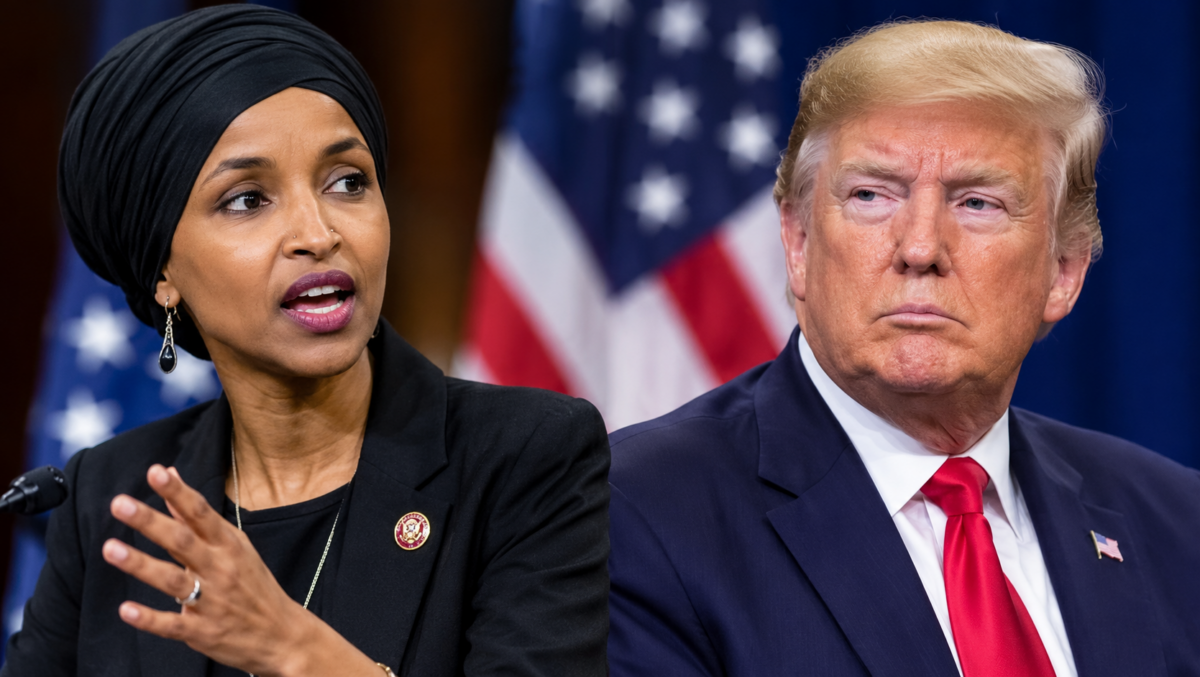
Ilhan Omar calls Trump ‘pedophile protection party’s president’
The Somali-born American politician insisted that her name had always been Ilhan Omar.
Heading 3
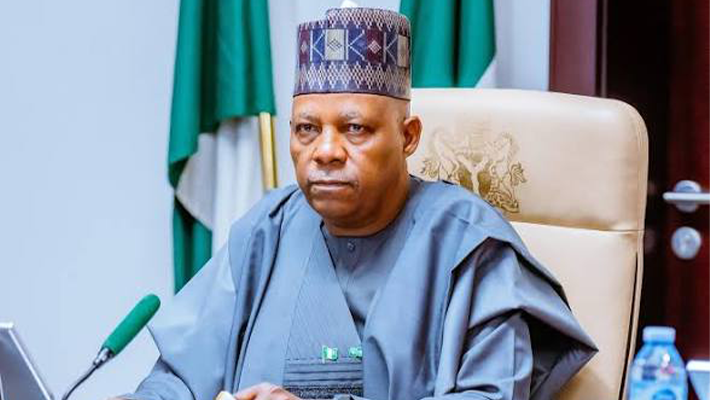
Shettima inaugurates teaching hospital, schools in Borno
Mr Shettima commended Governor Babagana Zulum for establishing the hospital.

Hot news Home top
14 bandits killed as hunters repel attack in Katsina village
The commissioner stated that intelligence report revealed the movement of 26 armed bandits on 13 motorcycles.
States
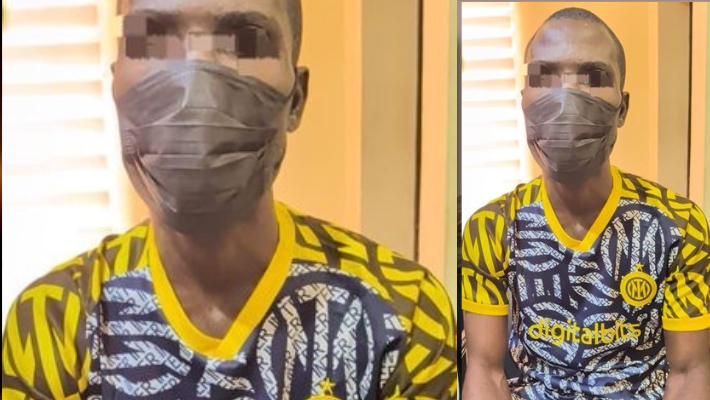
Police nab man for allegedly killing retired teacher in Ogun
The victim was reportedly killed at her residence in Agbaakin Emere, Abeokuta, on February 27, 2026.

Health
Zamfara NMA intensifies surveillance against Ebola
He said the NMA has developed an incident action plan to create public awareness about Ebola.


