

FG alerts Nigerians to dangers of excess salt intake

The Coordinating Minister of Health and Social Welfare, Prof. Ali Pate, has cautioned Nigerians against excess intake of salt and sodium, saying it can cause hypertension and other heart diseases.
Mr Pate said this on Tuesday in Abuja at a news conference to commemorate the 2024 Salt Awareness Week, with the theme ”It’s time to shine the spotlight on salt.”
Represented by the permanent secretary in the ministry, Daju Kachollom, Mr Pate said the federal government would step up public awareness on the dangers of excess salt intake.
The minister said that not less than 10 per cent of cardiovascular disease deaths are attributed to the burden of excess sodium consumption in Nigeria.
He said that there were varying estimates of the average daily intake of dietary sodium among Nigerian adults, ranging from 2.3 to 10 grams per day, while the intake of dietary salt ranged from 5.8 to 25 grams per day.
Mr Pate said that this figure was significantly higher than the World Health Organisation’s recommendations of a daily intake of 2 grammes of sodium and 5 grammes of salt.
Mr Pate said that reducing sodium intake was crucial for controlling blood pressure, adding that this would help to prevent hypertension and reduce the risk of cardiovascular diseases.
According to him, salt is a hidden adversary in people’s diets, and it contributes to the burden of cardiovascular diseases that afflict many of their loved ones.
He said, “Nigeria is not immune to the global epidemic of hypertension and heart diseases. The choices we make at our dining tables, the ingredients we stir into our pots, and the snacks we consume at moments of leisure all contribute to the silent escalation of health risks associated with high salt intake.’’
Citing a WHO report, Mr Pate said that about 17.9 million lives were claimed as salt intake had a far-reaching impact on death, through high blood pressure, heart attack and stroke.
He said that implementing sodium reduction strategies could lead to significant healthcare savings and also prevent costly medical treatments for diseases caused by high sodium intake.
Mr Pate said that the federal government had embarked on several initiatives to curtail excessive salt intake and bring about a healthier Nigeria.
WHO country representative, Dr Walter Mulombo, also said that excess salt consumption was linked to gastric cancer and kidney disease.
Mr Mulombo, represented by the National Progressional Officer on Nutrition, WHO, Dr Pindar Wakawa, said the global average intake of sodium was more than double what WHO recommended.
He called for an urgent public health message to enable people to take precautions against salt and sodium consumption.
(NAN)

We have recently deactivated our website's comment provider in favour of other channels of distribution and commentary. We encourage you to join the conversation on our stories via our Facebook, Twitter and other social media pages.

More from Peoples Gazette

Agriculture
FG tasks ECOWAS on leveraging financing strategies for agroecology
The federal government has urged stakeholders in the agriculture and finance sectors in the West Africa region to leverage financing strategies to enhance agroecology practices

Politics
Katsina youths pledge to deliver over 2 million votes to Atiku
“Katsina State is Atiku’s political base because it is his second home.”

States
Tinubu is pillar of my infrastructural development: Gov Sani
The governor said that the N1 trillion Light Rail Project will commence in the next two months.

States
Troops foil abduction of Borno female students
He said that the terrorists reportedly gained access to the facility with the assistance of suspected collaborators

Rights
Civil society organisations key to strengthening Nigeria’s democracy: CDHR
He said civil society organisations serve as a bridge between the government and the people.

NationWide
2027: Nigeria won’t drift into one-party state, says LP presidential candidate
Mr Okereke described the one-party state narrative as a mere political construct.

States
Flooding: Anambra, Ebonyi, Enugu place emergency response agencies on alert
He urged residents living in flood-prone areas to heed early warning messages.
NationWide
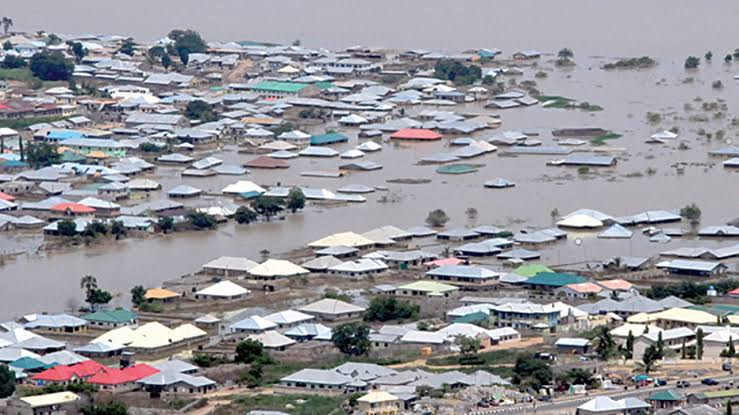
Flood Alert: NEMA urges residents in flood-prone areas to evacuate as rains intensify
Mrs Umar advised motorists and pedestrians against driving or walking through floodwaters.


