

FG backs local diagnostic production to strengthen health security

The federal government says it is prioritising local production of diagnostic equipment and technologies to strengthen Nigeria’s health security and reduce dependence on global supply chains.
The Minister of State for Health and Social Welfare, Iziaq Salako, said this at the opening of the three-day national summit on diagnostics in Abuja on Tuesday.
The summit was themed “Strengthening Partnerships and Local Content for Integrated Diagnostics.”
Mr Salako, represented by the ministry’s permanent secretary, Daju Kachollom, said the government’s plan included manufacturing, distributing, and maintaining diagnostic equipment and in vitro diagnostic products within the country.
“Strengthening local innovation and production will enhance national health security, stimulate economic growth, create jobs and position Nigeria as a regional leader in healthcare solutions,” he said.
According to him, strengthening diagnostic capacity is a strategic investment that will improve the efficiency and credibility of Nigeria’s health system.
Mr Salako said the COVID-19 pandemic exposed vulnerabilities in global supply chains and reinforced the need for countries to build local manufacturing capacity.
He said Nigeria had expanded laboratory infrastructure and molecular testing capacity during the pandemic but must now deepen domestic production of diagnostic technologies.
Mr Salako said the ministry was implementing policies to strengthen laboratory services nationwide.
“A key example is the implementation and periodic review of the National Essential Diagnostics List, which guides availability of priority tests across all levels of care,” he said.
Mr Salako said the government was also strengthening laboratory networks, improving quality assurance systems, and expanding workforce development.
He emphasised that partnerships with development partners, the private sector, and research institutions were essential to improving diagnostic services.
“Government alone cannot achieve the transformation we envision; strong partnerships are necessary for sustainable progress,” he said.
The director of the medical laboratory services division in the ministry, Elon Emeka, said the summit was part of efforts to operationalise reforms within the health sector.
Mr Emeka said ongoing reforms at the federal and sub-national levels were already advancing the integration of laboratory services.
“We are looking at innovations and local content, encouraging what is happening globally to also happen within Nigeria.
“A lot is already happening in the system. The next line of action is operationalisation and demonstrating that integration is the way to go,” he said.
Also speaking, the country director of the World Health Organisation (WHO) in Nigeria, Pavel Ursu, represented by Martins Joseph, said strong laboratory systems were central to national health security.
Mr Ursu said collaboration between the WHO and the ministry had strengthened Nigeria’s diagnostic policy and regulatory frameworks.
He said the partnership had supported the development of the National Medical Laboratory Services Policy and Strategic Plan.
Mr Ursu added that guidelines for the integration of laboratory services and health systems had also been developed to address fragmented programmes.
According to him, WHO has also supported the optimisation of Nigeria’s national diagnostic network to expand access to testing services.
“Our technical support has enhanced regulatory pre-qualification and validation capacity for in vitro diagnostics,” he said.
Mr Ursu said the organisation would continue supporting Nigeria to expand access to safe and affordable diagnostics nationwide.
“In an era of dwindling global resources, Nigeria’s focus on local diagnostics production and resource alignment is essential,” he said.
The National Guideline for the Implementation of a Medical Laboratory Quality Management System was also launched at the summit.
(NAN)

We have recently deactivated our website's comment provider in favour of other channels of distribution and commentary. We encourage you to join the conversation on our stories via our Facebook, Twitter and other social media pages.

More from Peoples Gazette

States
Independence: NBA urges Nigerians to expect better future
The NBA said that ordinary Nigerians should be deriving benefit from the subsidy removal rather than hardship.

Agriculture
FG tasks ECOWAS on leveraging financing strategies for agroecology
The federal government has urged stakeholders in the agriculture and finance sectors in the West Africa region to leverage financing strategies to enhance agroecology practices

Politics
Katsina youths pledge to deliver over 2 million votes to Atiku
“Katsina State is Atiku’s political base because it is his second home.”

World
UK’s senior special police constable sacked over woman’s nude pictures
Mr Deller’s actions were uncovered as part of Project Galatasaray.
NationWide
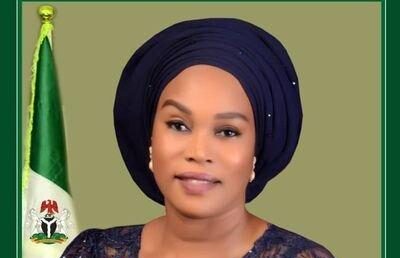
Ex-FCC commissioner Ginika Tor bags African female personality award
Ms Tor appreciated the organisers for recognising the importance of leadership.

NationWide
Military board engages veterans over new pension rates
Mr Mohammed said the engagement also provided an opportunity for both parties to discuss pension-related issues and strengthen mutual understanding.

NationWide
Stop disputing primaries’ results, focus on winning elections, Amaechi tells ADC members
Mr Amaechi urged members of the campaign council to recognise the responsibility before them.
States
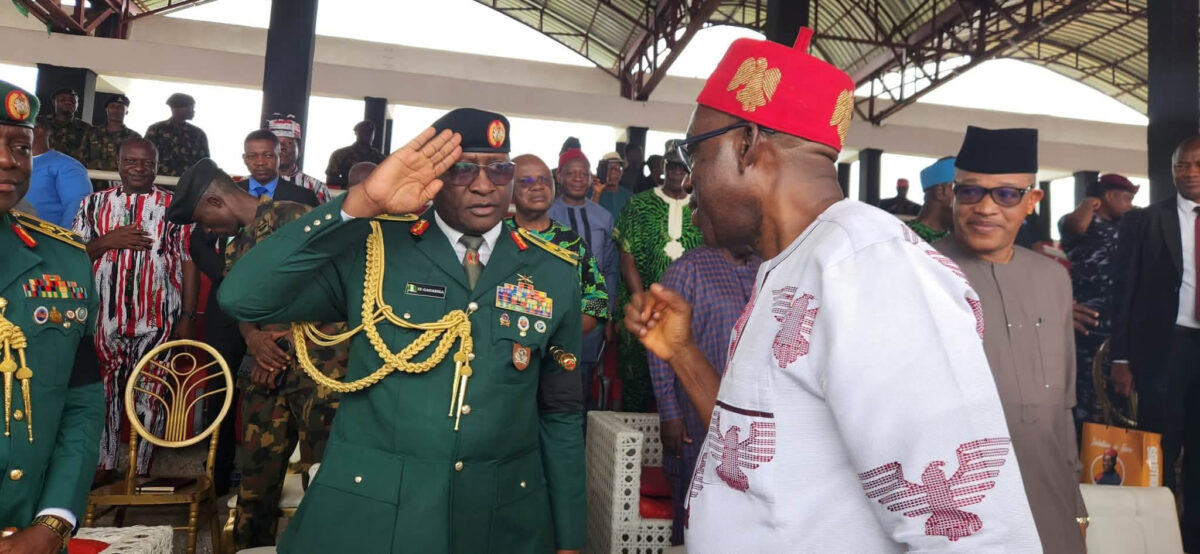
Negative perceptions discouraging youths from joining military, says Soludo
Mr Soludo described Mr Obiakor as an illustrious son of Anambra State.
NationWide
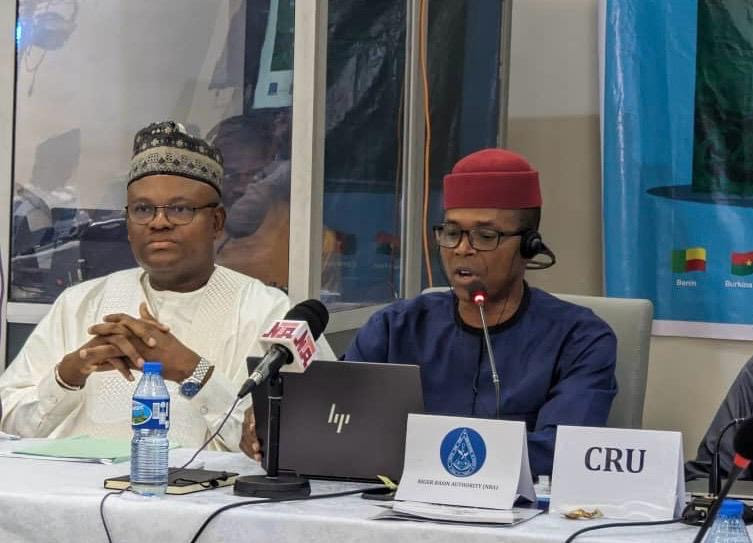
FG tasked on speedy completion of Niger Basin projects
Mr Houanye attributed the progress to institutional reforms and improved programme management.


