

FG seeks overhaul of animal disease control plan
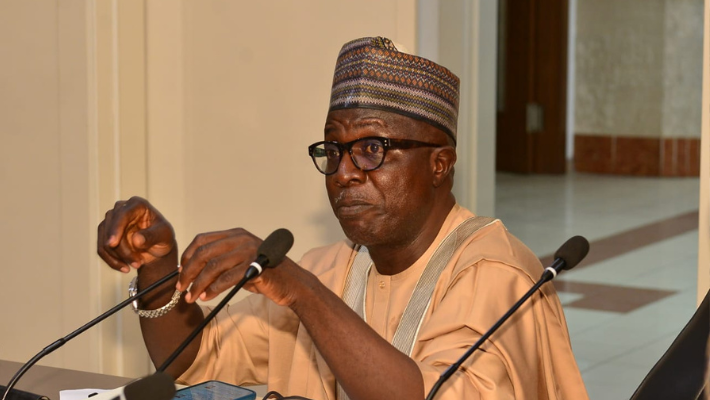
The federal government says Nigeria’s animal disease control and eradication strategic plan requires a comprehensive overhaul to tackle the global peste des petits ruminants (PPR) threat.
Samuel Anzaku, chief veterinary officer of Nigeria (CVON), said this on Friday in Abuja during a two-day workshop to review the national strategic plan for PPR control and eradication.
According to the Food and Agriculture Organisation, PPR, otherwise known as goat plague, is a highly contagious disease that kills up to 90 per cent of infected sheep and goats.
The workshop was organised by the Pan-African Secretariat for the Eradication of PPR (PAPS), funded by the European Union under the African Union – Inter-African Bureau for Animal Resources (AU-IBAR) in collaboration with the Federal Ministry of Livestock Development.
Mr Anzaku said the move would also ensure performance, intensify PPR monitoring and development of assessment tool roadmap, benchmarks and ECOWAS regional coordination mechanisms.
He identified the structural update as vital to ensuring that every public and private investment yields scientific, measurable progress towards a PPR-free Nigeria.
Mr Anzaku said Nigeria is a high-priority frontline in the global war against this devastating disease.
He said this is because of its massive population, coupled with intensive internal and transboundary animal movement across production-consumption corridors shared with Niger, Benin, Cameroon, and Chad.
“For us to unlock the true economic and food security potential of our livestock sector, we must systematically eliminate the threat of PPR,” he said.
Adiya Ode, team lead, Propcom+, said PPR remains one of the most economically devastating diseases affecting sheep and goats across Africa and many parts of Asia.
According to Ms Ode, beyond the direct impact on animal health, the disease threatens food security, household incomes, nutrition, employment, and the resilience of rural communities.
Ms Ode emphasised that successful control and eventual eradication of PPR represented a transformative opportunity for millions of smallholder livestock keepers, particularly women and youth, who relied on small ruminants as a source of livelihood and financial security.
“The establishment of the FMLD underscores the Nigerian government’s determination to unlock the enormous potential of the livestock sector as a driver of economic growth, job creation, poverty reduction, and national development.
“In this regard, strengthening animal health systems through effective disease surveillance, prevention, control, and eradication initiatives is a technical necessity and a strategic investment in the future of the livestock economy,” she said.
Ms Ode said Propcom+ recognised that resilient livestock systems were fundamental to improving rural livelihoods, increasing productivity, enhancing market participation, and strengthening climate resilience.
“We also understand that disease outbreaks such as PPR can reverse years of progress, erode household assets and deepen vulnerability among already disadvantaged populations.
“Propcom+ remains committed to supporting market-based and inclusive approaches that improve livestock productivity, strengthen veterinary and extension services, facilitate private-sector participation, and create opportunities for smallholder producers, especially women and young people, to thrive.
“We believe that investments in animal health, vaccination systems, disease surveillance, and institutional capacity are critical pillars for building a competitive and sustainable livestock sector,” Ms Ode said.
Abdullateef Ahmed, national president of the Sheep and Goat Development Association of Nigeria (NASHGODAN), appreciated the federal government’s efforts towards addressing PPR.
Mr Ahmed reaffirmed the association’s commitment to supporting the national PPR eradication programmes.
“We will continue to mobilise our members to participate in activities in the vaccination campaigns, disease surveillance, reporting suspected cases, livestock identification and traceability issues and public awareness programmes that promote animal health,” he said.
(NAN)

We have recently deactivated our website's comment provider in favour of other channels of distribution and commentary. We encourage you to join the conversation on our stories via our Facebook, Twitter and other social media pages.

More from Peoples Gazette

States
Independence: NBA urges Nigerians to expect better future
The NBA said that ordinary Nigerians should be deriving benefit from the subsidy removal rather than hardship.

Agriculture
FG tasks ECOWAS on leveraging financing strategies for agroecology
The federal government has urged stakeholders in the agriculture and finance sectors in the West Africa region to leverage financing strategies to enhance agroecology practices

Politics
Katsina youths pledge to deliver over 2 million votes to Atiku
“Katsina State is Atiku’s political base because it is his second home.”

States
Shettima launches 200 electric tricycles, 30 CNG buses in Katsina
Mr Shettima also inaugurated 11.2 kilometres of major road projects in the Katsina metropolis.
NationWide
NANS constitutes committee to mobilise students for 2027 elections
Mr Afeez said the committee would work toward facilitating the participation of at least 10 million Nigerian students in the 2027 general elections.

Abuja
Police to arrest, prosecute FCT motorists without number plates
The CP urged residents to support police operations.

Heading 3
IPO: University students hail Dangote Foundation’s free share initiative
Mr Dangote said, “Supporting young people goes beyond access to education.”
Hot news Home top
NAFDAC seizes banned alcoholic drinks worth N300 million, nabs Lagos distributors, retailers
The agency stressed that the product ban remains in force.

Heading 2
100-day Countdown To 2027 Polls: INEC convenes national stakeholders’ meeting in Abuja
The event will hold at 10:00 a.m at the Bola Ahmed Tinubu International Conference Centre (BAT-ICC), Abuja on Tuesday.


