

Food Security: North-West commodities association seeks measures to reduce input costs
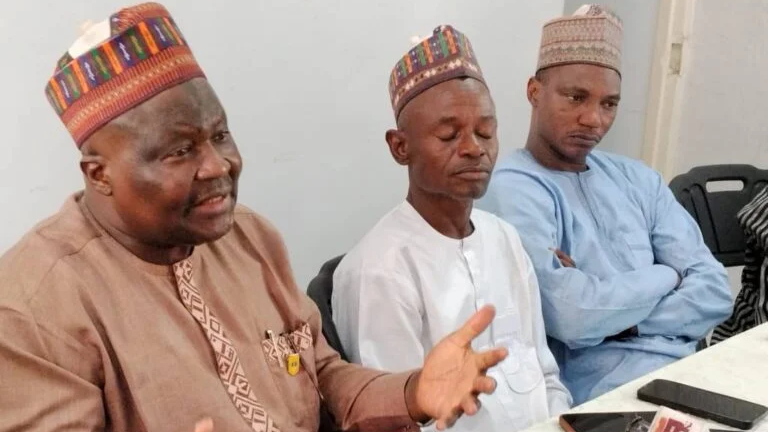
The North-West Agricultural Commodities Association has called on the Federal Government to take urgent, plausible measures to reduce the high costs of farming inputs.
According to the association, this is to bolster the extant efforts to ensure sustainable food security in the country.
These were part of the recommendations made by the association at the end of its Quarterly meeting held on Tuesday in Kaduna.
NOWACA is a conglomeration of various farmers, youths, and cooperative groups along the country’s agricultural value chain.
The chairman of the board of trustees of the association, Shu’aibu Idris, told journalists at the end of the meeting that the current high costs of such inputs may discourage many large-scale farmers from farming in 2026.
Mr Idris also lamented that farmers in the country were now facing a formidable existential crisis, given the high costs of agricultural inputs compared to the low prices of food produce.
He cited the cost of a bag of NPK or Urea fertiliser, which ranges from N70,000 to N80,000.
He further cautioned against the likely consequences when the l farmers were dissuaded from producing food, including hunger, malnutrition, and unemployment, among others.
Mr Idris also called for an urgent stop to the somersault in the country’s policy, especially as regards the age-old agricultural sector, which contributes humongously to Nigeria’s gross domestic product.
Mr Idris also called for the provision of adequate and affordable modern agricultural implements to boost mechanisation in the sector, citing the availability of easy-to-use tractors in other climes.
Similarly, Mr Idris called for the provision of agricultural subsidies, insisting that this was the practice in various developed countries, such as the U.S.
He also appealed to governors, especially those in the North-West, to collaborate to improve funding for the sector and thereby boost food security.
Mr Idris said the association was ready to partner with the Federal Government to realise President Bola Tinubu’s Renewed Hope Agenda in the agricultural sector.
(NAN)

We have recently deactivated our website's comment provider in favour of other channels of distribution and commentary. We encourage you to join the conversation on our stories via our Facebook, Twitter and other social media pages.

More from Peoples Gazette

States
Independence: NBA urges Nigerians to expect better future
The NBA said that ordinary Nigerians should be deriving benefit from the subsidy removal rather than hardship.
Agriculture
FG tasks ECOWAS on leveraging financing strategies for agroecology
The federal government has urged stakeholders in the agriculture and finance sectors in the West Africa region to leverage financing strategies to enhance agroecology practices
Politics
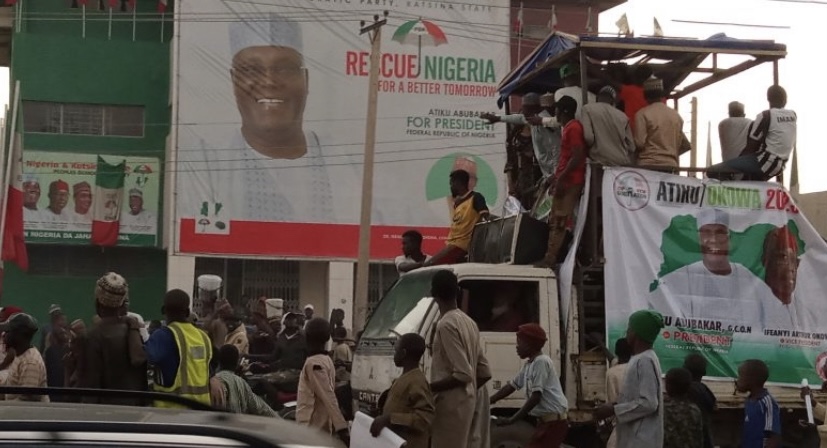
Katsina youths pledge to deliver over 2 million votes to Atiku
“Katsina State is Atiku’s political base because it is his second home.”

Hot news Home top
WHO hails Nigeria as 62 contacts test negative for Ebola after 21-day isolation
Mr Ghebreyesus said Nigeria had entered the second half of the mandatory 42-day countdown.
Diaspora
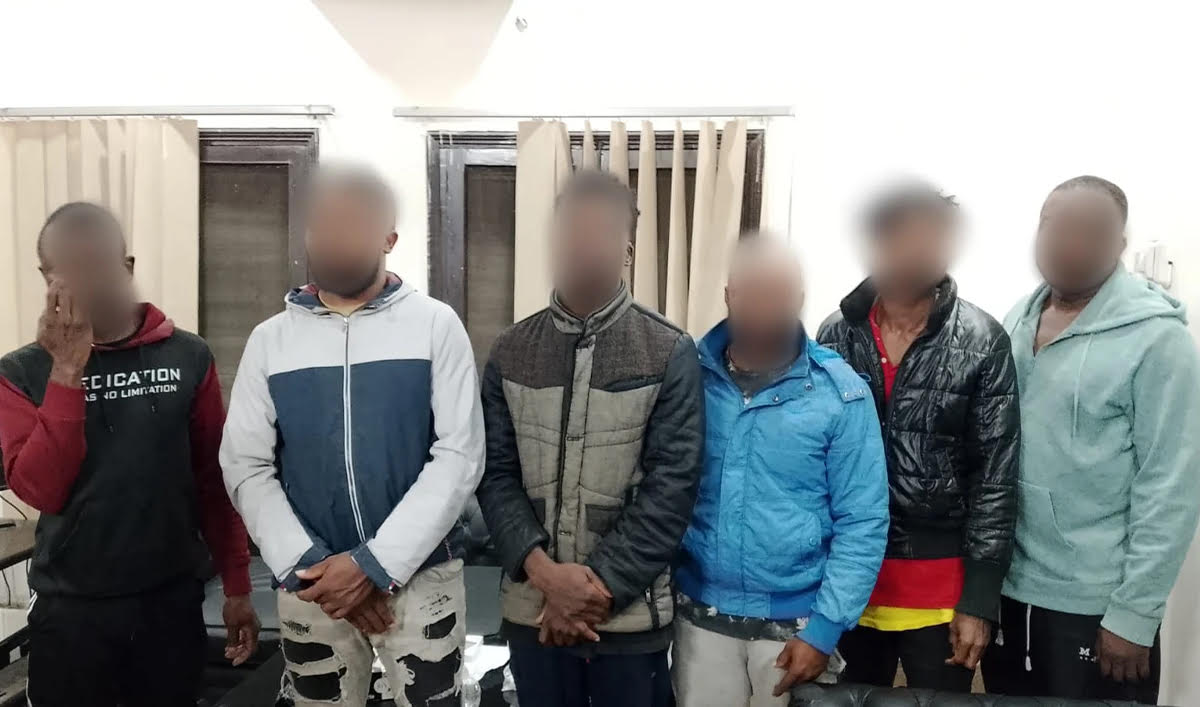
20 Nigerians arrested in Pakistan over alleged drug trafficking
According to the ANF, the arrests followed a series of intelligence-gathering operations targeting drug dealers in the country.
Heading 3
Living in Nigeria under Tinubu unbearable; cooking gas unaffordable: Atiku
Mr Abubakar said he was in Bauchi to continue preaching his affordable life campaign.

Politics
2027: Osun APC stages campaign walk for Tinubu’s re-election
Mr Oyebamiji said the APC was targeting 1.7 million votes for the president in Osun.

States
Gov Bago directs provision, repair of transformers across Chanchaga communities
The chairman said Mr Bago was concerned about the impact of prolonged power outages on households and businesses.

World
COP31 must turn climate-finance promises into actual funding, says UN chief
Mr Stiell said many developing countries remained trapped in a cycle of debt, climate disasters and high borrowing costs.


