

France to increase maternity, paternity leave allowance after births hit post-war low

French President Emmanuel Macron has promised to overhaul parental leave so it pays better after France saw the lowest number of births since World War II.
National Institute of Statistics and Economic Studies (INSEE), in its annual census report, said France registered 678,000 births in 2023, representing a decrease of seven per cent from 2022 and down 20 per cent since peaking in 2020, saying it was a blow to its traditionally strong demographic profile.
For decades, France has been an outlier compared to other European countries, avoiding a collapse in birth rates as seen in Germany, Italy, and Spain.
Demographers have traditionally put this down to France’s generous health and childcare system, tax breaks, and other benefits for having children, especially three or more.
It said it has helped soften the impact of an ageing population while contributing to the country’s long-term growth prospects, which economists say are generally determined by demographics, productivity gains and labour force participation.
“France will only be stronger if it revives the birth rate,’’ Mr Macron said during a wide-ranging news conference. A new, better paid parental leave will allow both parents to be with their children for six months if they want.”
In addition to basic maternity leave, French parents can take additional parental leave for one year with the possibility of renewing twice.
However, it only pays slightly more than €400 ($435) per month, which Macron said was a source of anxiety for some parents.
He said it also cut mothers from the labour market for too long.
INSEE said the average number of children per mother fell in 2023 to a three-decade low of 1.68 from 1.79 in 2022.
In 2021, France had the highest birth rate in the European Union and the Czech Republic at 1.83, the last year for which comparative figures are available.
Not only is the 2023 figure below the 2.2 generally considered necessary to maintain population levels in developed countries, but it is also below the 1.8 births estimate that underpinned a deeply contested 2023 retirement reform.
That could mean that if the birth rate stays at 2023 levels, the reform will not reduce the pension deficit as planned.
However, a recovery in the birth rate in the coming years is possible as people born in 2000-2010, a period of high births, themselves begin to have children, researchers at the Institut National d’Etudes Demographiques said in a note.
While people are having fewer children, the pro-family Unis pour les Familles association said that the decline does not mean people want fewer children, but rather, conditions are not necessarily good.
In an Opinion way poll of 11,000 people for the association, two-thirds who did not have children said they wanted to, while one out of five parents said they would have liked more children.
The most common reasons people gave for not having more children were concerns about the economic, social and climatic outlook, cited by 30 per cent of those polled.
Some 28 per cent said raising children costs too much.
The successive crises over the COVID-19 outbreak, surging energy prices and record inflation have taken a heavy toll on household confidence, which has struggled to recover from record lows reached in mid-2022, according to INSEE’s monthly survey.
(Reuters/NAN)

We have recently deactivated our website's comment provider in favour of other channels of distribution and commentary. We encourage you to join the conversation on our stories via our Facebook, Twitter and other social media pages.

More from Peoples Gazette

States
Independence: NBA urges Nigerians to expect better future
The NBA said that ordinary Nigerians should be deriving benefit from the subsidy removal rather than hardship.

Agriculture
FG tasks ECOWAS on leveraging financing strategies for agroecology
The federal government has urged stakeholders in the agriculture and finance sectors in the West Africa region to leverage financing strategies to enhance agroecology practices

Politics
Katsina youths pledge to deliver over 2 million votes to Atiku
“Katsina State is Atiku’s political base because it is his second home.”

States
More than 60 passengers rescued after boat in Benue
According to the chairman, the rescue operation was complicated by strong water waves.
Health
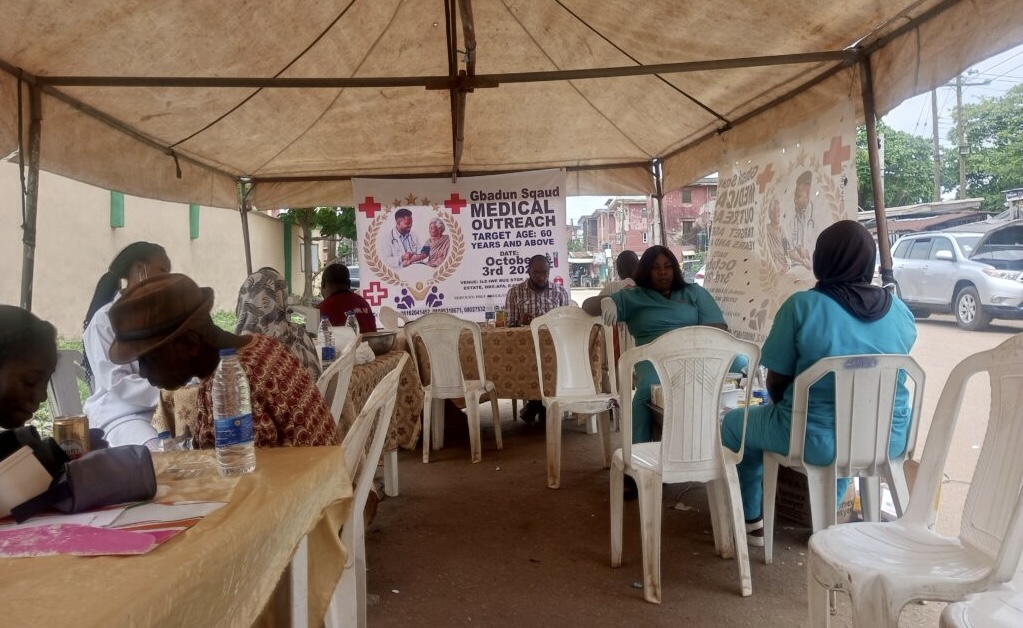
Lagos youth group organises free medical outreach for 200 residents
The medical doctor said participants were treated based on their diagnoses.

Heading 2
Police parade three suspected armed robbers for murder, theft in Oyo
The suspects allegedly confessed to their involvement in several other robbery incidents in the state.
States
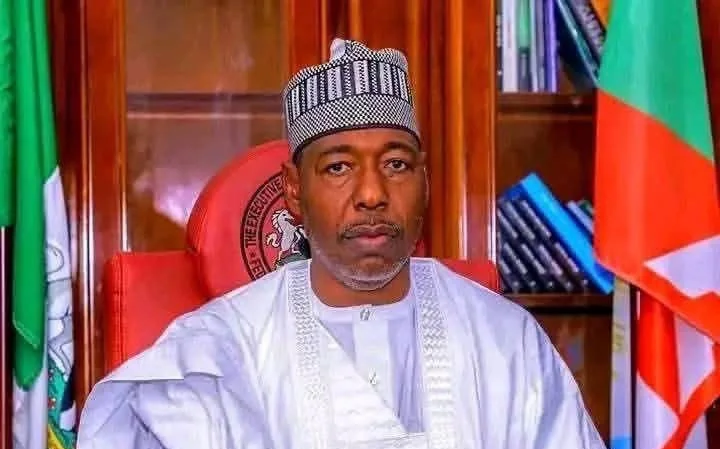
North-East governors seek sustained investment in infrastructure, human capital
Mr Zulum said the region had made considerable progress in security and reconstruction.

Lagos
Lagos government arrests 215 suspected street beggars
According to the commissioner, the operation was part of efforts to maintain public order.
States
Stakeholders seek measures to sustain VCDP gains in Kogi
Ms Aliyu said VCDP had demonstrated that smallholder farmers could become viable economic actors.


