

FRSC guns won’t fix Nigeria’s road traffic problem

The Corps Marshal of the Federal Road Safety Corps, Shehu Mohammed, recently suggested that arming FRSC personnel may be the only way to enforce traffic laws on Nigerian roads. The statement is alarming. It is dangerous. And it reveals a deeper crisis in governance in our country: the normalisation of militarisation in civil life. How, in all honesty, can guns fix traffic, address reckless driving, or make road users more responsible? They cannot. Firearms do not cultivate discipline or courtesy. They only breed fear. Responsibility on the road comes from education, culture, and consistent enforcement of fair rules, and not from the barrel of a gun. But, we must first understand what militarisation truly means, and call the Corps Marshal, Shehu Mohammed’s proposal by its proper name: daft and misguided.
The late Claude Ake, one of Africa’s most respected political economists, famously argued that the African postcolonial state is “a military institution in civilian disguise”. By this, he meant that violence is the organising principle of governance of African states, at least, since independence. Rather than negotiate legitimacy with citizens, African states reach too quickly for the gun, as coercion replaces consent. This habit has deep roots at the very heart of governance in our country.
The Cameroonian philosopher Achille Mbembe further develops this point. In ‘On the Postcolony’, he explains how violence becomes an everyday tool of governance in Africa. He calls this “the banality of violence”. This phrase echoes Hannah Arendt’s famous idea of the “banality of evil”, coined during her study of Adolf Eichmann. But Mbembe makes his banality of violence profoundly African. He shows how in our societies, violence is no longer exceptional. It is pervasive. It is ordinary. It is woven into routine encounters between citizens and the state. A traffic stop becomes the site of potential brutality. A civil office becomes a checkpoint. Violence becomes banal because it is everywhere.
The proposal to arm the FRSC fits neatly into this cycle. Instead of building civic responsibility, we turn traffic control into a military operation. Instead of seeing the driver as a citizen who can be educated, we see him as a potential enemy who must be subdued. This is not how to build a democratic culture. Our roads are indeed chaotic. Drivers break traffic laws. Tanker drivers barrel through towns. Okada riders take one-way lanes. Accidents claim thousands of lives each year. Nobody disputes the scale of the problem. But we must be honest: guns cannot fix it. A rifle cannot teach courtesy. A bullet cannot teach patience at intersections. Civic behaviour is not learned under the barrel of a gun. It is learned through education, more education, consistency, and a culture of respect for rules.
We have seen what happens when civil agencies are armed. The police are already militarised. They carry rifles in markets, in schools, at rallies. Has that reduced violent crime? No. Our country remains one of the most insecure countries in the world. Kidnapping thrives. Armed robbery continues. Banditry spreads. The gun has not solved crime. Instead, it has multiplied violence. Worse, the arming of the police has created new victims. Nigerians live in fear of accidental discharges, of stray bullets, of tense encounters that escalate too quickly. Our youths remember the EndSARS protests. They remember peaceful demonstrators being met with live rounds. They remember that the police, armed to the teeth, turned their weapons on the very citizens they swore to protect. That is the lived reality of militarisation – one that Professor Wole Soyinka, many years ago at the Commission’s inception, warned against when he cautioned against arming the Road Safety Corps.
Should we extend this to road safety officers? Imagine an ordinary traffic stop. A father driving home after work. He forgets his seat belt. An armed marshal pulls him over. A misunderstanding follows. The officer feels disrespected. The driver feels harassed. Fingers twitch on triggers. In a moment, a civil enforcement exercise turns into a tragedy. A family loses its breadwinner. Another name is added to the long list of avoidable deaths. This is not speculation. It is the pattern of militarised governance. Violence begets violence. Again, Mbembe warns us that in militarised societies, violence becomes so normal that citizens begin to expect it in every interaction with the state. That is what we risk when we arm the FRSC. Ake explained that reliance on force undermines trust between the state and society, and corrodes democratic engagement.
The state stops being seen as a service provider and becomes an instrument of dominance. Citizens comply, not because they believe in the rules, but because they fear the gun. That is not obedience. That is the submission of oppressed citizens. But submission is fragile. It breaks the moment the state’s back is turned. So, we must see road safety for what it truly is. It is not about dominance. It is about empathy. It is about protecting lives. It is about seeing the pedestrian as a human being whose life is as valuable as yours. It is about slowing down because you know someone’s child is crossing the road. It is about choosing patience over ego. These are moral and civic habits. They cannot be policed into existence with an AK-47. They must be taught, reinforced, and modelled.
This is where Ruth First’s insights matter. Writing about apartheid South Africa, she showed how states that rely on force destroy the civic bonds that sustain social trust. She argued that once violence becomes the state’s main language, the citizen retreats into fear, resistance, or cynicism. That lesson is relevant here. If FRSC officers meet citizens with guns, not guidance, they will reinforce the very hostility that already exists between the governed and those who govern. The road, instead of being a shared civic space, will become another front of confrontation.
But it is Gavin Williams who helps us glimpse the danger more profoundly. In his work on the African political economy, he explained how authoritarian states rely on coercion because they fail to invest in building civic institutions. Coercion is a shortcut. It is easier to arm an agency than to reform it. It is easier to intimidate a citizen than to earn her trust. But, he also warned that this shortcut is costly. It deepens alienation. It hollows out the state. It produces what we see in our country today: a state that is present everywhere with guns but absent where it matters: schools, hospitals, streets, and social services.
Many countries have shown a better path. Scandinavian nations treat road safety as a cultural project. Children are taught road rules in school. Campaigns saturate media. Enforcement is consistent but not brutal. Officers are respected because they serve, not because they intimidate. Citizens obey because they see the law as legitimate, not because they fear being shot. Our country does not need a copy of Scandinavia. But it does need to learn the principle: build civic responsibility through education, not fear.
Arming the FRSC also has practical concerns. It means procuring weapons, training officers, and securing armouries. Our country is already struggling with the proliferation of small arms. Weapons leak from military and police stores into criminal hands. Last week, the Army Special Court-Martial sitting in Maiduguri sentenced three soldiers to life imprisonment for illegal arms trafficking and for “aiding and abetting the enemy”.
According to Lieutenant Colonel Haruna Sani, Acting Deputy Director of Army Public Relations, 7 Division, the soldiers were convicted of stealing and selling military-grade weapons and ammunition, with some of the items allegedly smuggled across state lines concealed in bags of food. Would FRSC rifles become the next source of illegal guns? At what cost to taxpayers? How many lives would be lost before accountability is enforced?
Militarisation also distracts from the real issues. Our country’s roads are poorly designed. Signage is inadequate. Traffic lights are often broken. Licensing processes are riddled with corruption. Wealthy politicians often flout road rules by travelling in fortified convoys. Ordinary citizens see this impunity and imitate it. That is where the indiscipline on our roads begins. Guns will not fix broken traffic lights. Rifles will not humble convoys. Bullets will not repair potholes. What will help is civic reform.
FRSC should lead sustained public education campaigns. It should partner with schools to instil road safety habits early. It should insist on transparent driver licensing. It should apply penalties consistently and without bias. Above all, its officers should model integrity. Nothing erodes respect for the law faster than a road safety officer accepting bribes from commercial drivers. Guns cannot solve corruption. Integrity can. Militarisation is not just about weapons. It is about a mindset. It is about seeing the citizen as a problem to be suppressed rather than a partner to be engaged. That mindset has damaged our country’s police. It has damaged civil-military relations. It has damaged trust. To extend it to the FRSC would be a grave mistake.
The Corps Marshal’s frustration is understandable. But his solution is daft and misguided. Our country does not need more guns on its streets. It needs a culture of civic responsibility. It needs institutions that educate, not intimidate. It needs a government that builds legitimacy through service, not through force. Claude Ake warned us decades ago that Africa’s reliance on coercion is the very reason its states remain fragile. Ruth First showed us how violence corrodes the very fabric of society.
Gavin Williams taught us that coercion is the lazy substitute for building real civic institutions. Achille Mbembe reminds us that when violence becomes banal, freedom slowly dies. If we arm the FRSC, we will not only lose the spirit of road safety but also compromise the safety of road users. We will also take another step down the road of authoritarianism. Our country must resist this dangerous detour. Our roads need discipline, yes. But discipline is built on civic education, not militarisation. That is the only way to save lives, build trust, and strengthen democracy.
Abdul Mahmud is a human rights attorney in Abuja

We have recently deactivated our website's comment provider in favour of other channels of distribution and commentary. We encourage you to join the conversation on our stories via our Facebook, Twitter and other social media pages.

More from Peoples Gazette

States
Independence: NBA urges Nigerians to expect better future
The NBA said that ordinary Nigerians should be deriving benefit from the subsidy removal rather than hardship.

Agriculture
FG tasks ECOWAS on leveraging financing strategies for agroecology
The federal government has urged stakeholders in the agriculture and finance sectors in the West Africa region to leverage financing strategies to enhance agroecology practices

Politics
Katsina youths pledge to deliver over 2 million votes to Atiku
“Katsina State is Atiku’s political base because it is his second home.”
NationWide
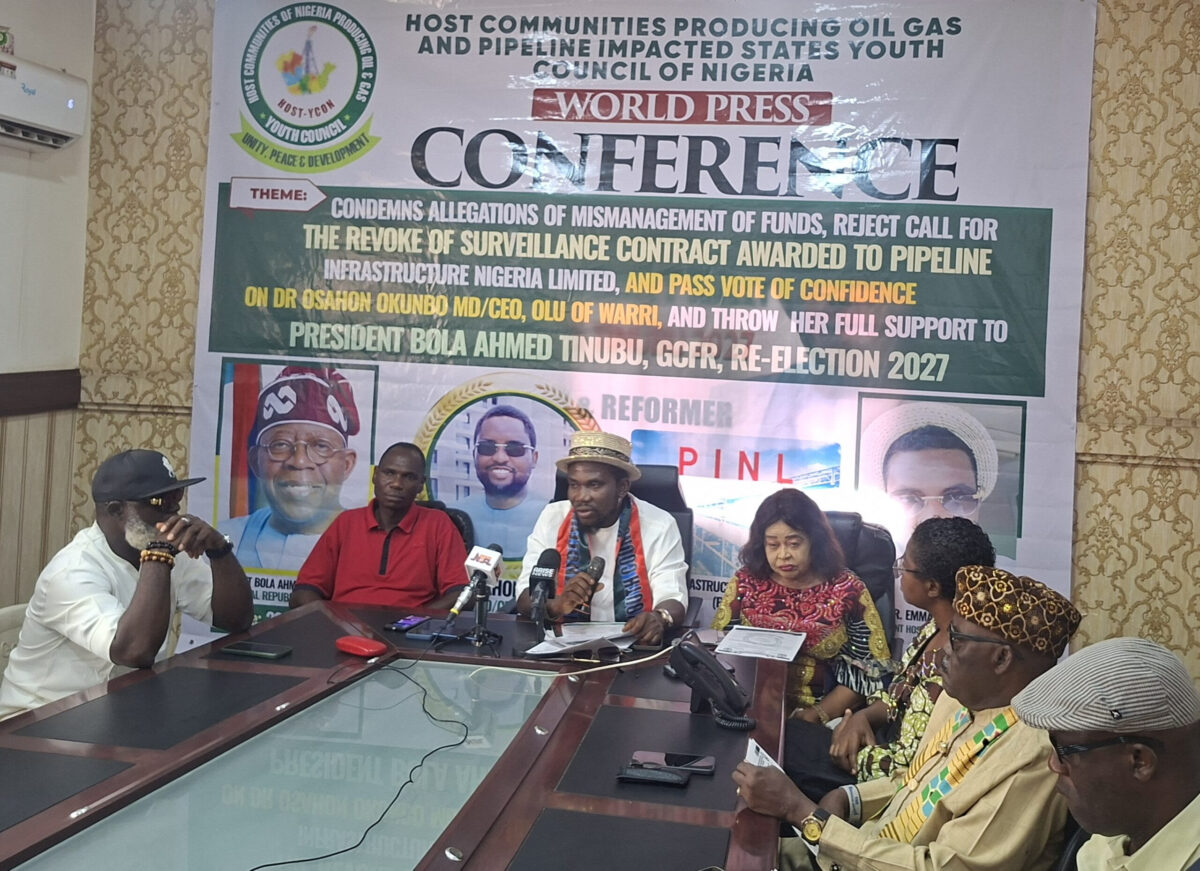
HOSTCON youth council backs Tinubu’s re-election
Mr Pathfinder urged the Federal Government to sustain effective pipeline surveillance.

NationWide
NCDC mobilises 500 IPC alumni, media fellows for Ebola preparedness campaign
Mr Idris encouraged IPC professionals to inform state authorities about their skills.
Heading 5
2027: INEC assures PWDs of inclusive participation in Zamfara
The REC stressed that the right to vote belongs to every eligible citizen.
Heading 1
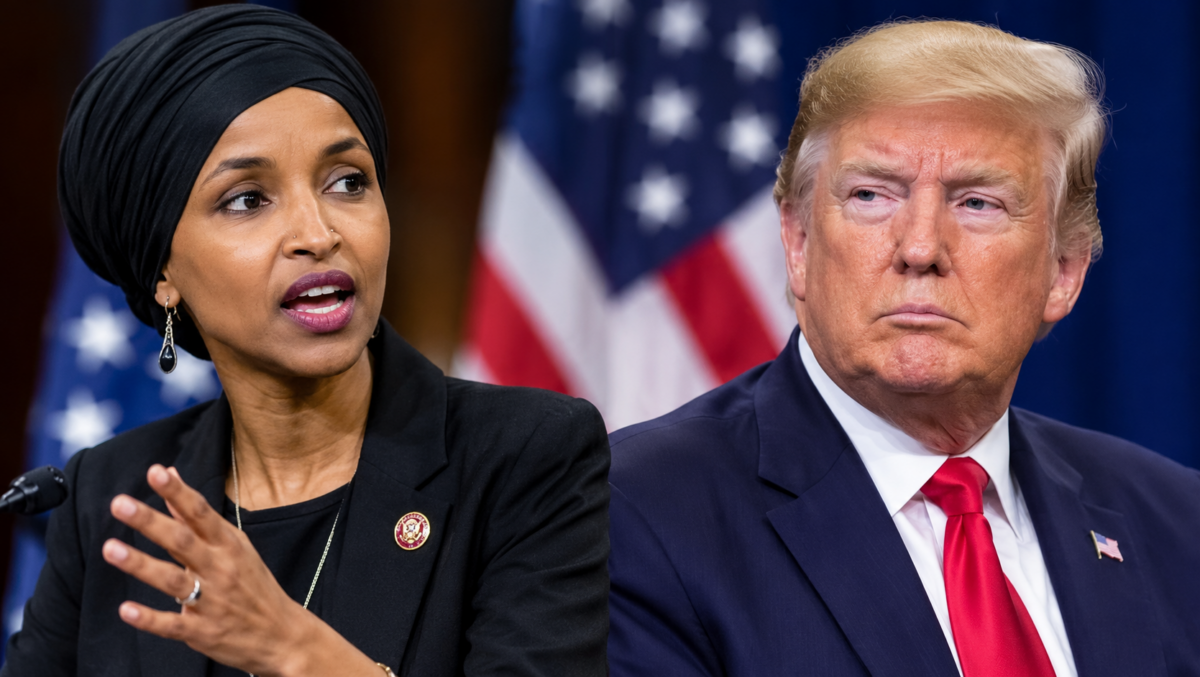
Ilhan Omar calls Trump ‘pedophile protection party’s president’
The Somali-born American politician insisted that her name had always been Ilhan Omar.
Heading 3
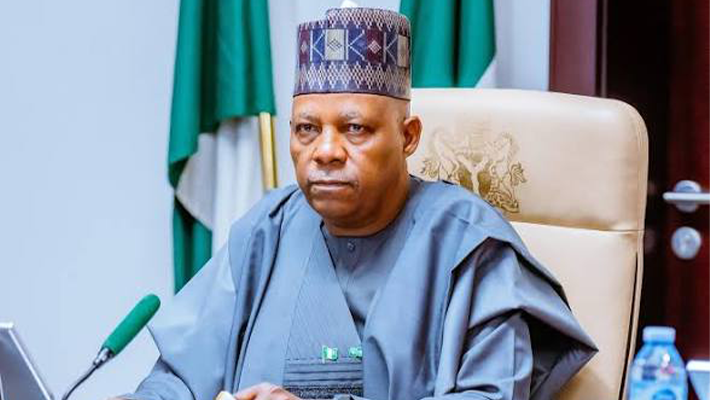
Shettima inaugurates teaching hospital, schools in Borno
Mr Shettima commended Governor Babagana Zulum for establishing the hospital.

Hot news Home top
14 bandits killed as hunters repel attack in Katsina village
The commissioner stated that intelligence report revealed the movement of 26 armed bandits on 13 motorcycles.


