


Fuel importation to end by 2024: FG
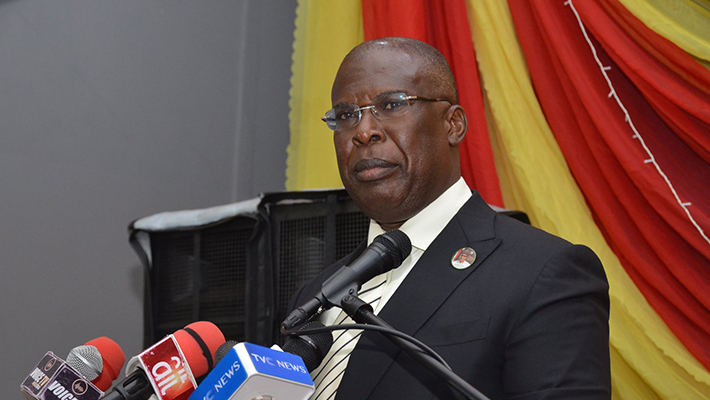
The federal government on Monday projected that by the first quarter of 2024, Nigeria will put an end to the importation of petroleum products into the country.
The Minister of State Petroleum Resources, Timipre Sylva, said by the first quarter of 2024, the rehabilitation of the Port-Harcourt refinery would be partly completed, while the 650,000 barrel per day (bpd) capacity Dangote Refinery would also be on stream.
Mr Sylva stated this at the resumption of the “PMB Administration Scorecard Series (2015-2023)” organised by the Ministry of Information and Culture.
The scorecard series inaugurated October 18, 2022, and has featured 16 ministers, was meant to showcase the achievements of the Buhari administration.
Presenting the scorecard of his ministry, Mr Sylva specifically said that the 60,000 bpd capacity refinery within the Port-Harcourt Refinery complex would be ready for production by first quarter of 2024.
The minister added that the Dangote Refinery, the largest single-train refinery in the world with investment of over $25 billion, would also be on stream before the end of 2023, in addition to several modular refineries projects in the country.
He, therefore, assured that with the combined production of the Port-Harcourt refinery, Dangote refinery and the modular refineries, Nigeria would end importation of petroleum products into the country.
The minister disclosed that to ensure local supply of the productions by the private refineries the federal government deliberately took 20 per cent equity stake in the Dangote Refinery.
Equally, the minister said the federal government took 30 per cent equity stake in each of the 5000bpd WalterSmith modular refinery in Ibigwe, Imo state and 10,000 bpd Duport Modular Refinery in Edo state among others.
He said that the government is currently addressing the challenge of access to crude oil being faced by the modular refineries.
The minister also reiterated the position of the federal government that subsidy regime was no longer sustainable.
According to him, the huge fund being spent on subsidy could be deployed to other developmental projects that would impact positively on many Nigerians.
He added that the removal of subsidy would attract more investment into the petroleum sector as many private people would be willing to invest in building refineries.
(NAN)

We have recently deactivated our website's comment provider in favour of other channels of distribution and commentary. We encourage you to join the conversation on our stories via our Facebook, Twitter and other social media pages.

More from Peoples Gazette

Agriculture
FG tasks ECOWAS on leveraging financing strategies for agroecology
The federal government has urged stakeholders in the agriculture and finance sectors in the West Africa region to leverage financing strategies to enhance agroecology practices

Politics
Katsina youths pledge to deliver over 2 million votes to Atiku
“Katsina State is Atiku’s political base because it is his second home.”

Africa
Africa’s Great Green Wall restores over 20m hectares, says UN
UN deputy secretary-general Amina Mohammed says no less than 20 million hectares of land have been restored through the Africa Great Green Wall initiative.

States
Justice Kalgo’s life defined by exceptional service, integrity, says Gov Idris
Governor Nasir Idris described Justice Umaru Kalgo as a distinguished son of Kebbi whose life was defined by exceptional service, integrity, dedication and profound knowledge.
Faith
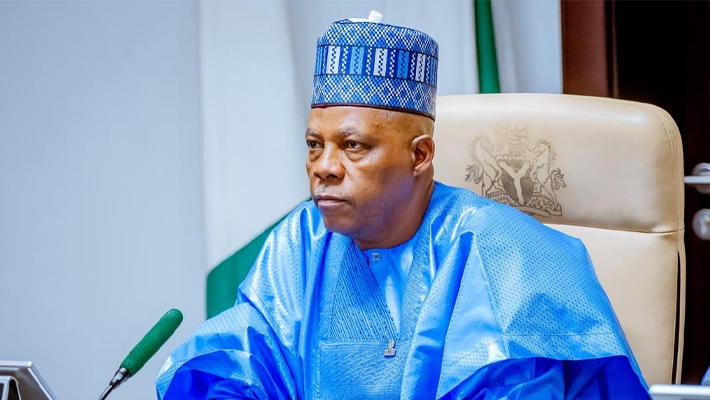
Shettima urges Nigerians to strengthen bond of unity
Vice-President Kashim Shettima has called on Nigerians to strengthen the bonds that unite them, reject every form of hatred, division, and intolerance, and assist the vulnerable.
Lagos
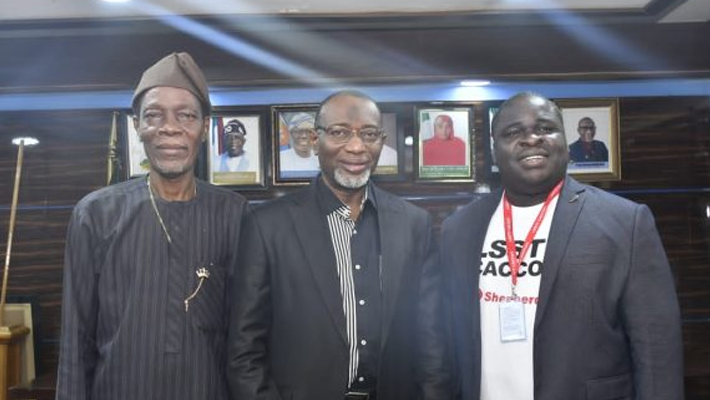
YABATECH rector urges preventive education amid worsening social vices
The rector of Yaba College of Technology, Ibraheem Abdul, has urged the use of education, rather than relying solely on arrests, to tackle vices among the youth.

States
Tinubu govt to engage stakeholders on deplorable Benin-Asaba road
The federal government is to hold a robust engagement with the concessionaire and other stakeholders over the deplorable condition of the Benin-Asaba road.
Lagos
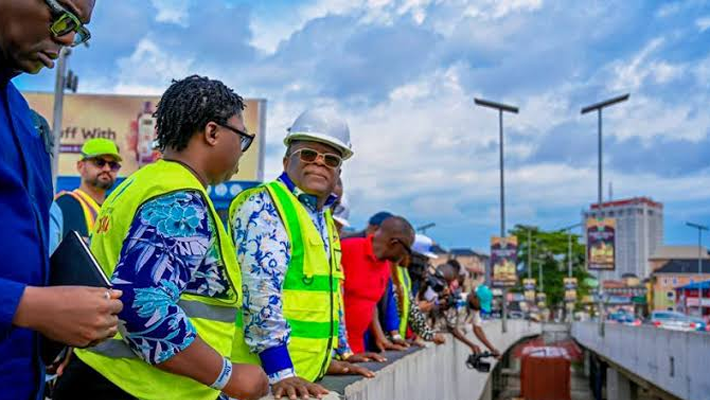
Carter Bridge reconstruction will be completed in two years: Umahi
The federal government is working to complete reconstruction of the Carter Bridge in Lagos within 24 months instead of the 36 months initially scheduled for the project.


