

Funding cuts may push six million more children out of school, UNICEF warns
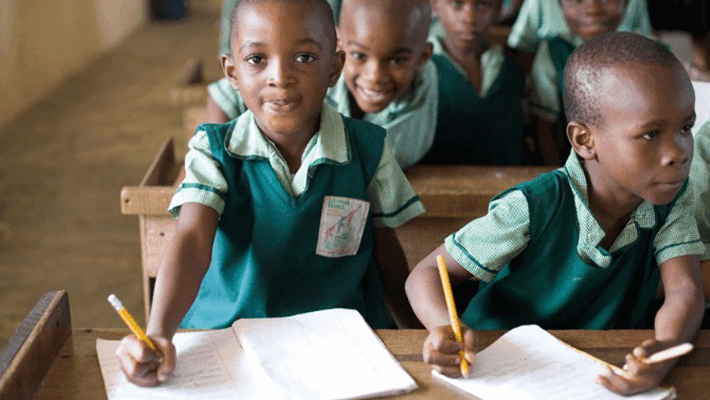
Global education funding is facing sharp reductions that could leave an extra six million children out of school by 2026, the UN Children’s Fund has warned.
UNICEF executive director Catherine Russell said that Official Development Assistance (ODA) for education is projected to fall by $3.2 billion.
This represents a 24 per cent drop from 2023, with just three donor governments accounting for nearly 80 per cent of the cuts. Such a decline would push the number of out-of-school children worldwide from 272 million to 278 million, according to UNICEF.
“Every dollar cut from education is not just a budgetary decision, it’s a child’s future hanging in the balance,” Ms Russell said. “Investing in children’s education is one of the best investments in the future for everyone. Countries do better when their children are educated and healthy, and it contributes to a more stable and prosperous world.”
The heaviest impact of funding shortfalls is expected in regions that are already vulnerable, especially West and Central Africa. Africa could see 1.9 million children lose access to school, while 1.4 million more could be pushed out across the Middle East and North Africa.
In total, 28 countries stand to lose at least a quarter of the education aid they rely on. Côte d’Ivoire and Mali face some of the steepest risks, with enrolment projected to fall by 340,000 and 180,000 students, respectively.
Primary education is expected to be hit hardest, with funding projected to decline by one-third. UNICEF warned that this could exacerbate the global learning crisis and cost those affected children an estimated $164 billion in lost lifetime earnings.
In humanitarian contexts, the cuts could be devastating, while UNICEF stated that the crisis would also threaten vital services. School feeding programmes, sometimes a child’s only reliable meal, could see funding halved, while support for girls’ education is likely to shrink.
At least 290 million children who remain in classrooms could also face a decline in learning quality.
UNICEF called on donors to direct at least half of all education aid to least developed countries, safeguard humanitarian funding, and prioritise early years and primary schooling. It also urged reforms to make financing more efficient and sustainable.
(NAN)

We have recently deactivated our website's comment provider in favour of other channels of distribution and commentary. We encourage you to join the conversation on our stories via our Facebook, Twitter and other social media pages.

More from Peoples Gazette

Agriculture
FG tasks ECOWAS on leveraging financing strategies for agroecology
The federal government has urged stakeholders in the agriculture and finance sectors in the West Africa region to leverage financing strategies to enhance agroecology practices

Politics
Katsina youths pledge to deliver over 2 million votes to Atiku
“Katsina State is Atiku’s political base because it is his second home.”
Lagos
Alimosho LG decentralises sanitation exercise across seven wards
The chairman reiterated that maintaining a clean environment required collective responsibility and sustained action.
Lagos
Yaba LCDA urges residents to sustain environmental sanitation
The chairman warned residents against indiscriminate dumping of refuse in drainages and open spaces.
Africa
AfDB, partners equip African public servants with free AI skills
The director said the training was self-paced.

Politics
Your administration has neglected us, Oyo APC support groups tell Tinubu
The coordinator said members have not been adequately engaged, recognised or integrated into the governance process till now.
NationWide
Nigerians deserve good governance, not food palliatives, says group
Mr Teslim said that political campaigns should be centred on issues affecting the people.

Diaspora
NIS releases appointment link for UK special passport intervention
The NIS had earlier extended the exercise to run from October 6 to 30.


