

Gavi seeks board approval for $189 million to support Africa’s vaccine manufacturing sector

A public-private vaccine alliance with the vision to support children vaccination around the world, Gavi, has announced that it will seek it board approval for US$189 million to support the rapid development of Africa’s vaccine manufacturing ecosystem.
In a statement on Friday, Gavi said the move was under “measures, named AVMA+,” slated to be presented to Gavi’s Board in July.
Gavi noted, “AVMA+ has been designed to provide additional support in two key areas, firstly addressing specific regulatory and market entry bottlenecks that are acting as a brake on investment.”
“Secondly by providing guaranteed demand to African producers by directly purchasing up to 70 million doses of African-manufactured vaccines, following competitive tender processes, once those vaccines reach the market.”
The CEO of Gavi, Dr Sania Nishtar, said “In its first 18 months, AVMA has made remarkable progress, helping secure thirteen individual technology transfer agreements that have led to commercial-scale manufacturing facilities being built in six African countries.”
“As our manufacturing partners continue down the pathway towards prequalification and full commercialisation, we believe that the new investments enabled by AVMA+ will accelerate the timelines for when African demand for vaccines will be met by local production. This is the right thing to do for Africa’s economic development and it is the right thing to do for our global health security.”
Gavi added that COVID-19 laid bare the cost to Africa relying on imported vaccines, adding that with only 0.1% of global production despite the fact that the continent was home to 20% of the world’s population, it found itself at the back of the queue in attempts to secure vaccines during the pandemic.
It stated, “AVMA, which was launched in 2024, was designed in close collaboration with the African Union and Africa CDC to ensure such a situation never arises again by helping manufacturers to offset the upfront costs of bringing a vaccine by making a total of US$ 1 billion in incentives available for manufacturers that hit critical regulatory and supply milestones.”
It further said that with 13 individual technology transfer agreements already signed between African manufacturers and global partners, and with US$ 3 billion in additional financing mobilised since AVMA’s launch in 2024, it was possible that the first AVMA-supported, Africa-manufactured vaccines could be deployed as early as 2027.

We have recently deactivated our website's comment provider in favour of other channels of distribution and commentary. We encourage you to join the conversation on our stories via our Facebook, Twitter and other social media pages.

More from Peoples Gazette

Agriculture
FG tasks ECOWAS on leveraging financing strategies for agroecology
The federal government has urged stakeholders in the agriculture and finance sectors in the West Africa region to leverage financing strategies to enhance agroecology practices

Politics
Katsina youths pledge to deliver over 2 million votes to Atiku
“Katsina State is Atiku’s political base because it is his second home.”

Education
IBBU strike to end soon, says VC
The VC said the state government has shown strong commitment to ending the strike and has paid N300 million of the outstanding N800 million so far.

States
Pupil missing, nine rescued in Anambra flooding: Police
Police said a pupil went missing after heavy rain and flooding in Awka, Anambra State.

Heading 2
Flutterwave convenes global leaders at UNGA 2026 to power Africa’s next decade of growth
The exclusive executive forum connects global capital, multinational enterprises, DFIs, and governments to accelerate continental trade and investment.

NationWide
NPC director Facah elected to NIMCA board
Ms Facah was elected at NIMCA’s inaugural assembly and second annual general meeting in Johannesburg, South Africa.

States
Osun assembly endorses state police
Osun House of Assembly passed a resolution supporting the establishment of state police to complement existing security agencies.
Heading 5
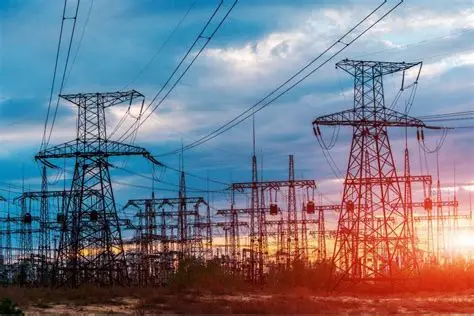
Power outage hits Abuja communities as TCN begins repairs on Kubwa substation
TCN says its maintenance crew is repairing a fault on the 33kV NIPP feeder at the Kubwa transmission substation.


