

Geneva: Pate worried about brain drain, advocates health reform
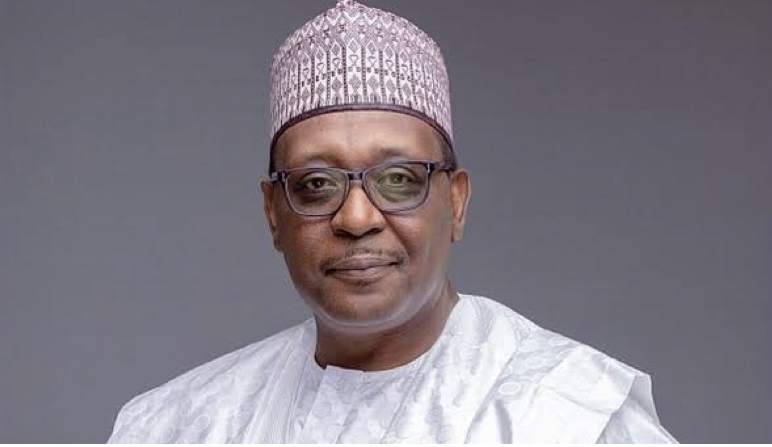
Health minister Ali Pate has expressed concern over the weakness of health systems in developing countries like Nigeria, attributing it partly to the loss of trained health professionals to developed nations.
He said this at the opening of the 77th World Health Assembly (WHA) in Geneva, where he highlighted “health poverty” as a major problem in many developing nations.
“Health poverty affects half of the world’s population, depriving them of access to basic healthcare such as immunisation and maternal health services,” stated Mr Pate.
The minister made the remarks as the global health community converged on Geneva, Switzerland, from May 27 to June 1 for the 77th World Health Assembly (WHA 77).
The health minister disclosed that hundreds of Nigerian health workers migrate annually to more advanced countries like the UK, Canada, and Saudi Arabia for better working conditions and quality of life.
He added that “from 2015 to 2022, over 5,000 Nigerian medical doctors moved to the UK alone.”
He said that despite Nigeria’s subsidised medical education, many professionals decide to leave the country after their studies.
He emphasised Nigeria’s commitment to rebuilding its health system through increased domestic financing, expanding primary healthcare, and strengthening public health capacities.
He urged international health partners to align with Nigeria’s priorities and support its sustainable national systems.
The minister advocated a pandemic treaty and review of International Health Regulations, stressing the need for a fair agreement by the end of the year.
Reflecting on lessons from the COVID-19 pandemic, he called for renewed political will, global solidarity, and investment in addressing health inequities, saying, “No country can tackle challenges alone in an interconnected world.”
The exodus of healthcare professionals, especially doctors, pharmacists, and nurses, to developed countries has increased in Nigeria. With a doctor-patient ratio over five times worse than the WHO recommendation, Nigeria has continued to lose hundreds of doctors annually to brain drain, a large number of them to the UK.
Various statistics show that over 5,000 Nigerian medical doctors migrated to the UK between 2015 and 2022. The continued emigration of health practitioners has led to a shortage of skilled health workers in the country, negatively affecting the quality of healthcare services provided to citizens.
(NAN)

We have recently deactivated our website's comment provider in favour of other channels of distribution and commentary. We encourage you to join the conversation on our stories via our Facebook, Twitter and other social media pages.

More from Peoples Gazette

States
Independence: NBA urges Nigerians to expect better future
The NBA said that ordinary Nigerians should be deriving benefit from the subsidy removal rather than hardship.

Agriculture
FG tasks ECOWAS on leveraging financing strategies for agroecology
The federal government has urged stakeholders in the agriculture and finance sectors in the West Africa region to leverage financing strategies to enhance agroecology practices

Politics
Katsina youths pledge to deliver over 2 million votes to Atiku
“Katsina State is Atiku’s political base because it is his second home.”

Heading 2
FRSC warns personnel against leading political convoys during 2027 campaigns
The zonal head directed officers deployed to campaign venues to focus exclusively on traffic management.

Health
80 million Nigerian children exposed to lead poisoning: FG
Ms Ango emphasised that there was no safe level of lead exposure for children.

Health
Ebola: Biosafety agency urges Nigerians to stay calm, be vigilant
The DG reaffirmed NBMA’s commitment to supporting national containment measures.

Heading 1
APM South-South chairmen reject Makinde, say he’s unfit to lead as presidential candidate
The chairmen said, “He came to the party with a promise of lies and has been wallowing in an ocean of dishonesty, political compromise and incompetence.”

States
Tinubu’s govt delivers first lot of 118km Abuja-Kano expressway: Minister
Mr Umahi commended the Kano State governor for his contribution to infrastructure development.
World
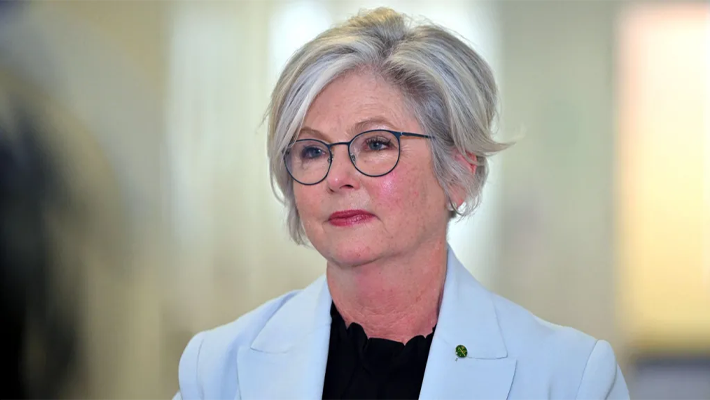
Australian lawmaker Helen Haines’ legs amputated after car attack
The motive for the attack is yet to be established.


