

Ghana, Nigeria contest world’s worst currencies

The Nigerian naira and Ghana’s cedi have been ranked as the world’s two worst-performing currencies, with the naira losing 37 per cent of its value against the dollar and the cedi losing 55 per cent.
According to Bloomberg, while the naira was performing pretty well against the dollar at the official market, the country’s currency had fallen by 37 per cent at the parallel market, making it the second worst-performing currency behind the Ghana cedi.
Although Nigeria’s official exchange rate is strictly regulated, at the black market, the value of the nation’s currency is largely determined by the level of demand for the dollar, which has been very high due to the country’s strict regulatory policies against the circulation of the dollar in the country.
The naira’s depreciation has continued in the wake of the Central Bank of Nigeria’s decision to redesign the currency and the long-standing ban on Bureau De Change operations.
Godwin Emefiele, the governor of the central bank, declared in October that new naira notes would be released by December 15.
However, experts have predicted that the currency’s depreciation is likely to continue in the short term given the CBN’s announcement of plans to restructure the country’s currency, the prolonged ban against BDC operators, the low oil revenue, and the increased outflows due to uncertainty surrounding the upcoming presidential election.
In order to halt the country’s currency’s rapid depreciation, the CBN in 2021 outlawed the sale of foreign exchange to BDC operators. The central bank accused the BDCs of making illegal foreign exchange sales above the market they were authorised to serve.
Before the ban, BDC operators were an important part of the black market, assisting people who couldn’t lawfully get foreign currencies directly from the CBN to maintain their exchange rates.
Peoples Gazette reported that the naira traded at N890 against the dollar on Saturday, an unprecedented rise from the N700 mark which it traded between September and early October.
With the rate at which the value of the currency is falling, experts have also predicted that before the end of the year, the naira will exchange at N1000 to the dollar.
In October, the Ghanaian cedi was rated as the worst performing currency in the world after it lost 45.1 percent of its value to the U.S. dollar this year.

We have recently deactivated our website's comment provider in favour of other channels of distribution and commentary. We encourage you to join the conversation on our stories via our Facebook, Twitter and other social media pages.

More from Peoples Gazette

States
Independence: NBA urges Nigerians to expect better future
The NBA said that ordinary Nigerians should be deriving benefit from the subsidy removal rather than hardship.

Agriculture
FG tasks ECOWAS on leveraging financing strategies for agroecology
The federal government has urged stakeholders in the agriculture and finance sectors in the West Africa region to leverage financing strategies to enhance agroecology practices

Politics
Katsina youths pledge to deliver over 2 million votes to Atiku
“Katsina State is Atiku’s political base because it is his second home.”
Heading 4
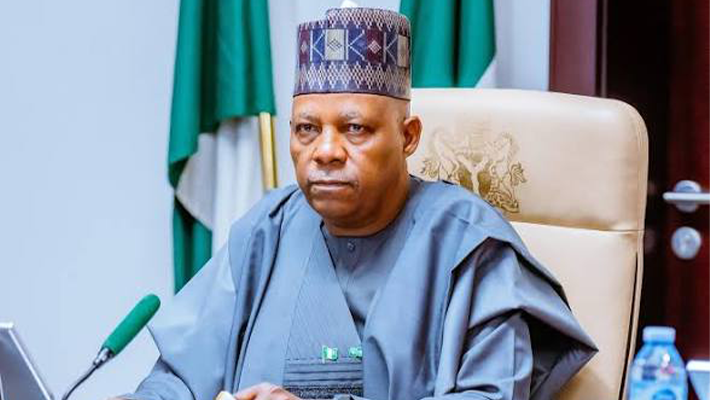
Shettima urges statisticians to strengthen Nigeria’s data systems
Mr Shettima said credible statistics were essential for effective governance and economic planning.

Heading 1
19 injured in minibus collision with train in France
The minibus was conveying truck drivers.
Heading 5
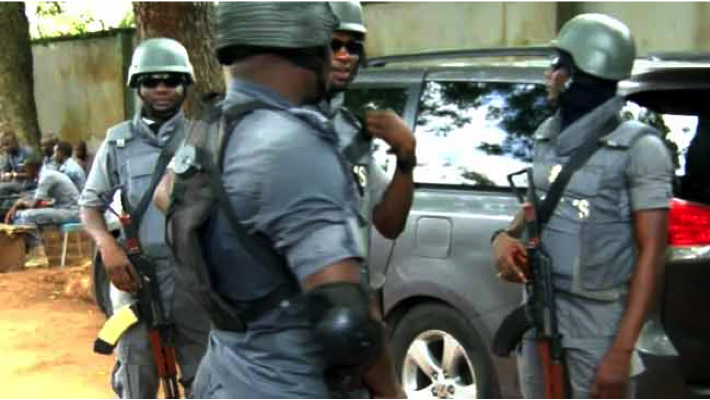
Sokoto: Customs confiscate truckload of contraband worth N722 million
He urged Nigerians to support the NCS by providing credible information that could help eradicate smuggling.
Heading 3
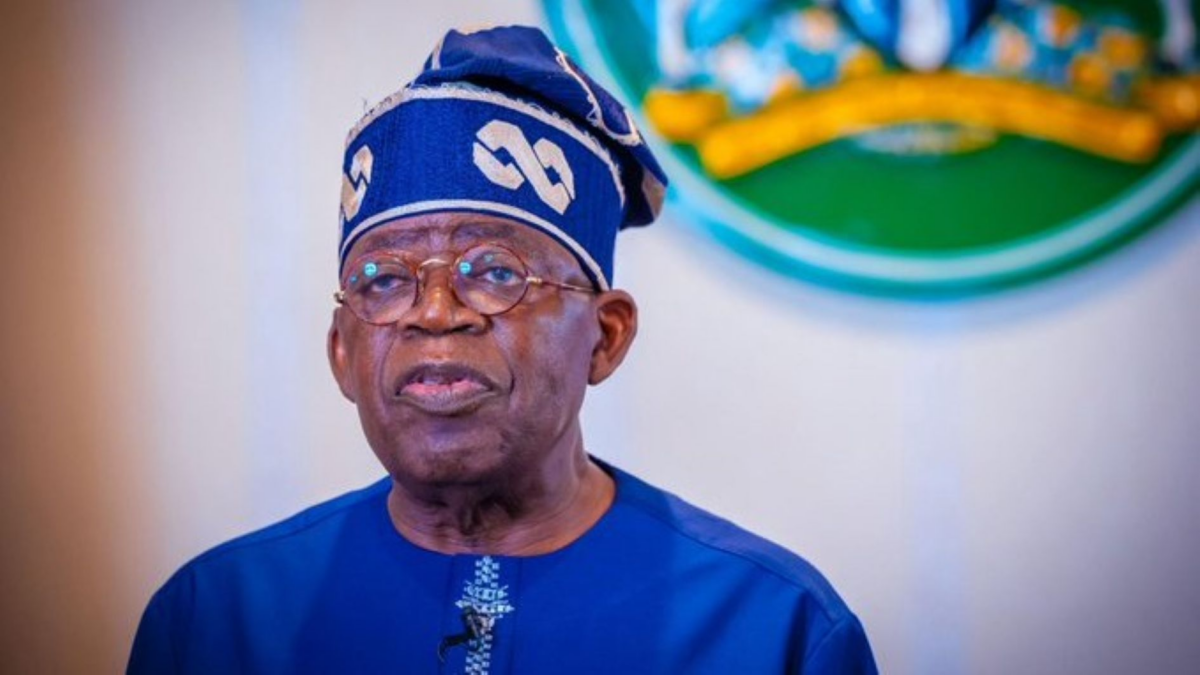
2027: Tinubu directs security chiefs to rescue abducted Nigerians, crush terrorists
Mr Musa said Mr Tinubu also stressed the need for free, fair and credible elections.
Heading 2
INEC decries exclusion of PWDs from elective positions in Akwa Ibom
Mr Onuoha said the commission would hold a sensitisation programme for persons with disabilities on Friday in Uyo.
World
UK court sentences Irish lawmaker Jeffrey Donaldson to 15 years in prison for raping children
One of the women described the rape as “the worst moment of her life”.


