

Gov. Makinde inaugurates cassava mechanisation production, processing plant in Oyo

Gov. Seyi Makinde of Oyo, on Thursday, inaugurated the mechanisation of cassava production and processing project at Fashola, near Oyo in Oyo State.
The project was constructed by the African Agricultural Technology Foundation (AATF).
Mr Makinde, represented by the state’s commissioner for agriculture and rural development, Olasunkanmi Olaleye, commended AATF for their partnership and collaboration in bringing the project to fruition.
He said the initiative represents a bold step in efforts to modernise and revolutionise the agriculture sector in the state.
The governor said the expertise and dedication of AATF have been instrumental in driving innovation and progress in agriculture practices.
He said the project would boost trainings on post-harvest management and an opportunity for access to a processing service by small-:scale village processors.
“The project introduces a new value-adding cassava processing machine that utilises the entire crop without peeling.
“Two products are generated, high quality cassava flour for human consumption and coarser flour as a byproduct of lower quality for the use as animal feed,” Mr Makinde said.
He described cassava as a vital crop for the Nigerian economy and plays a crucial role in ensuring food security and sustainable livelihoods for the people.
“However, traditional farming methods have often limited our potential for growth and productivity.
“The introduction of mechanised techniques will not only increase efficiency and yield, but also empower our farmers to thrive in today’s competitive market,” the governor said.
He called on all stakeholders to support the project, saying its success depends on the collaboration.
“We must work together to provide support and resources to our farmers, ensuring that they have the tools and knowledge they need to embrace these new technologies,” Mr Makinde said.
He urged Nigerian farmers to adopt modern agricultural practices in order to minimise the impact on the environment, while maximising the benefits for the communities.
“Together, let us embrace this new era of agricultural innovation and strive towards a future where Oyo State stands as a beacon of excellence in agriculture,” Mr Makinde said.
Also speaking, the AAFT executive director, Dr Canisius Kanangire, said the inauguration marked a significant milestone in their efforts to enhance agricultural productivity.
He said it holds immense promise in revolutionising the way they cultivate, harvest, and process cassava.
Mr Kanangire said cassava holds a special place in the agricultural landscape of Nigeria.
”It is not only a staple food crop, but also a source of income and livelihood for millions of smallholder farmers and their families.
“But the potential in cassava was limited by some challenges experienced on production, marketing and post-harvest management of the crop.
The executive director said the huge yield gap in cassava was attributable to the use of low yielding varieties, limited mechanisation and inadequate utilisation of Good Agronomic Practices (GAPs).
“We experience huge post-harvest losses in cassava, and this is primarily attributed to inadequate infrastructure, including storage facilities and transportation, which lead to spoilage and damage during transit.
“Additionally, limited access to modern processing technology hampers value addition and transformation efforts, exacerbating losses,” he said.
Mr Kanangire said cassava holds a special place in the agricultural landscape of Nigeria.
”It is not only a staple food crop, but also a source of income and livelihood for millions of smallholder farmers and their families.
“But the potential in cassava was limited by some challenges experienced on production, marketing and post-harvest management of the crop.
The executive director said the huge yield gap in cassava was attributable to the use of low yielding varieties, limited mechanisation and inadequate utilisation of Good Agronomic Practices (GAPs).
“We experience huge post-harvest losses in cassava, and this is primarily attributed to inadequate infrastructure, including storage facilities and transportation, which lead to spoilage and damage during transit.
“Additionally, limited access to modern processing technology hampers value addition and transformation efforts, exacerbating losses,” he said.
Mr Kanangire said there was growing interest and investment in modern processing techniques for cassava flour, starch, and other value-added products.
“Today’s event is in line with the government and private sector initiatives to boost the cassava processing industry in order to reduce post-harvest losses, create employment opportunities, and enhance the sector’s contribution to the economy.
“The introduction of mechanised technologies presents a transformative opportunity to overcome these challenges and unlock the full potential of cassava production and processing.
“By automating key processes, such as land preparation, planting, harvesting, and processing, we can significantly enhance efficiency, reduce post-harvest losses, and improve the quality of cassava products,” he said.
The executive director also said mechanisation would create employment opportunities, particularly for youths and women, and stimulate rural economies.
“I would like to thank GIZ for their generous support, Clayuca for the machinery assistance, AgriDrive for driving the mechanisation component of this project.
“I am also grateful to the Nigeria Root Crops Research Institute (NRCRI) and the Nigerian Stored Products Research Institute (NSPRI) for the valuable technical support and all those involved in bringing this project to fruition.
“Together, let us seize this opportunity to transform cassava production and processing, unlock new economic opportunities, and build a more prosperous future for cassava farmers and processors across our region,” he said.
Also speaking, Prof. Sanni Lateef, the Chief Executive Officer, Nigeria Stored Products Research Institute (NSPRI) said the project would improve farmers’ income, reduce post-harvest losses and create employment.
Speaking further, the minister of science, innovation and technology, Uche Unaji, represented by his special adviser, Dr Robert Ngwu, said the project was in line with the thought of the ministry.
Mr Nnaji said that the project would increase farmers’ production and reduce wastage of manpower, among others.
Others who spoke about the importance of the project include Prof. Garba Sharubutu, executive director of Agricultural Research Council of Nigeria (ARCN), and the executive director, National Root Research Institute (NRCRI).
The others were Prof. Chiedozie Egesi, chairperson, Board of Directors, AgriDrive Nigeria limited, among others.
Representatives of cassava breeders association also spoke about the project, highlighting the difficulties being experienced in the manual peeling of cassava.
(NAN)

We have recently deactivated our website's comment provider in favour of other channels of distribution and commentary. We encourage you to join the conversation on our stories via our Facebook, Twitter and other social media pages.

More from Peoples Gazette

States
Independence: NBA urges Nigerians to expect better future
The NBA said that ordinary Nigerians should be deriving benefit from the subsidy removal rather than hardship.

Agriculture
FG tasks ECOWAS on leveraging financing strategies for agroecology
The federal government has urged stakeholders in the agriculture and finance sectors in the West Africa region to leverage financing strategies to enhance agroecology practices

Politics
Katsina youths pledge to deliver over 2 million votes to Atiku
“Katsina State is Atiku’s political base because it is his second home.”
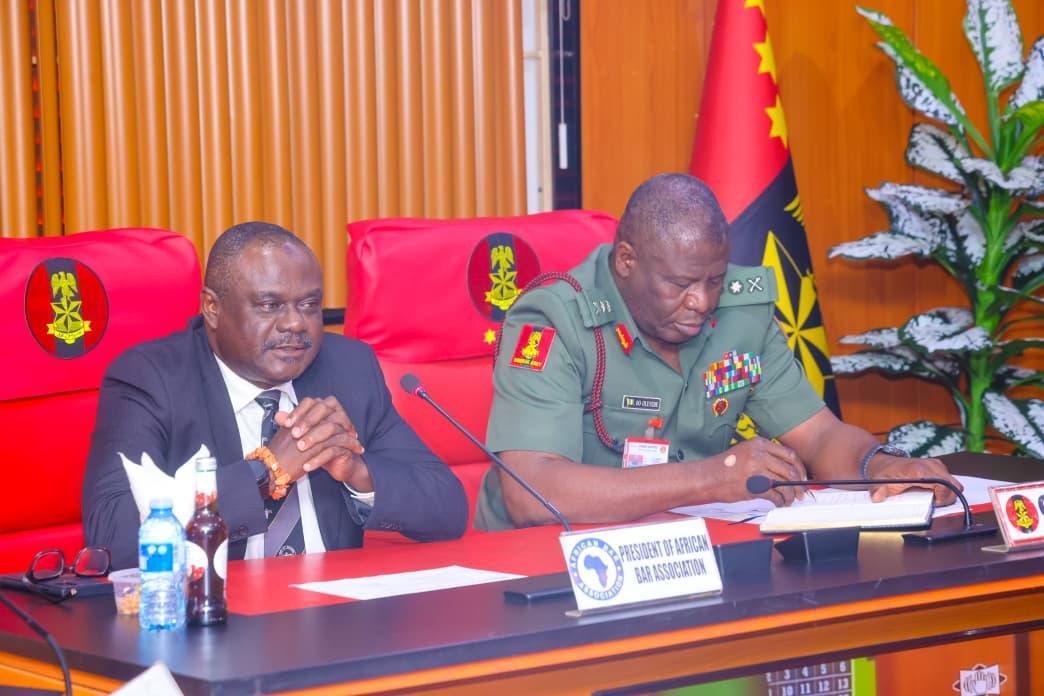
Africa
Africa bar association president advises lawyers to defend justice, freedom
Mr Mark reaffirmed that AfBA would continue to stand as a generational ally of the National Conference of Black Lawyers.

NationWide
NAF clarifies casualties in crashed aircraft, appreciates public support
Mr Ejodame said the NAF remains actively engaged with the bereaved families.

NationWide
Group hails FG for backtracking on ban of solar panel importation
Mr Terungwa commended the Minister of Innovation, Science and Technology, Kingsley Udeh, for supporting a gradual transition to domestic production.

Heading 3
UNICEF expresses sympathy for children, families as earthquake rocks Panama
UNICEF said it was ready to support the Government of Panama’s response if needed.

NationWide
IG deploys new spokespersons to commands, formations
Mr Disu charged the officers to uphold professionalism, accuracy and responsiveness in the discharge of their duties.

States
EFCC secures conviction of Lagos fraudster for laundering N132 million
The commission said Justice Osiagor ordered Mr Pelumi to undertake seven days of community service based on the sentencing.


