

Greed driving Nigerian women into drug trafficking: NDLEA
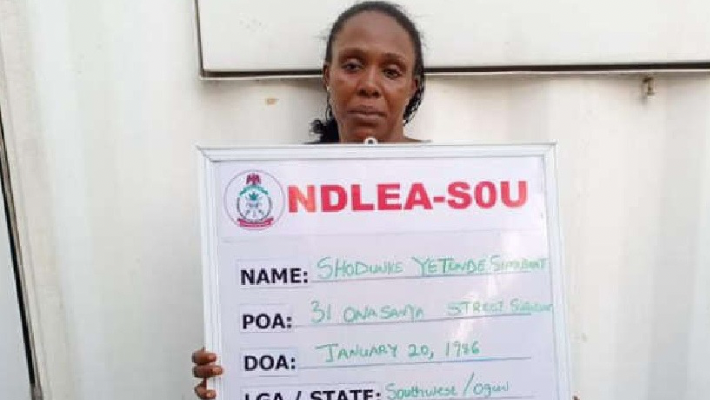
The National Drug Law Enforcement Agency has identified the erosion of societal values, greed, economic challenges, peer influence and family background as major factors driving the involvement of women in drug trafficking.
The director of media and advocacy, Femi Babafemi, disclosed this on Thursday in Abuja. Mr Babafemi, however, spoke extensively on the increasing vulnerability of women to the illicit drug trade.
He said that the factors responsible for women’s involvement in drug trafficking were largely similar to those driving other categories of offenders into the illicit drug business.
He also said the absence of proper value orientation and upbringing remained one of the strongest triggers.
“Right from their upbringing, when proper values are not inculcated in them, they are unable to build resilience against temptation and pressure to engage in the illicit drug trade,” he said.
Mr Babafemi also identified greed and the desire for social recognition as significant motivating factors.
According to him, some women become desperate to attain certain social status symbols and lifestyles associated with wealth and influence, making them willing to engage in criminal activities to achieve such ambitions.
He further pointed to economic pressures as another major factor, noting that financial hardship and other socio-economic challenges often push some women towards drug trafficking.
The NDLEA spokesman said environmental influences also played a critical role, especially for individuals who grew up in communities where the illicit drug trade was prevalent.
He explained that prolonged exposure to such environments could normalise criminal activities and increase the likelihood of participation.
Mr Babafemi also highlighted the influence of associations and peer groups, stressing that many women were drawn into drug trafficking through friends, acquaintances and neighbours already involved in the illegal trade.
He noted that the lure of quick financial gains often makes individuals susceptible to pressure from peers who portray drug trafficking as a lucrative venture.
“Some of them are influenced by friends who flaunt wealth and encourage others to join the trade in order to make money,” he said.
The director further expressed concern over the impact of social media and movies in shaping perceptions about drug trafficking.
According to him, some individuals are influenced by content depicting the operations of drug cartels and mistakenly assume that involvement in the illicit trade is easy and rewarding.
Mr Babafemi also identified marital challenges as another contributing factor, particularly among women experiencing emotional distress arising from troubled relationships.
He said women facing heartbreak, family instability or challenges associated with polygamous homes sometimes become vulnerable and desperate, thereby increasing their susceptibility to criminal activities.
The NDLEA spokesman further revealed that family history could also contribute to involvement in drug trafficking.
He cited instances where illicit drug dealing had been passed down through multiple generations within the same family.
“We have seen situations where there are two, three or even four generations of drug dealers within a family. Some individuals grow up in families where illicit drug trafficking is regarded as a family business, leaving them exposed to no other means of livelihood,” he said.
Mr Babafemi, however, stressed the need for stronger family values, community support systems and sustained public enlightenment campaigns to address the root causes of drug trafficking and discourage vulnerable groups from engaging in the illicit trade.
He reiterated the agency’s commitment to preventive advocacy, public awareness and law enforcement efforts aimed at reducing drug-related crimes across the country.
(NAN)

We have recently deactivated our website's comment provider in favour of other channels of distribution and commentary. We encourage you to join the conversation on our stories via our Facebook, Twitter and other social media pages.

More from Peoples Gazette

Agriculture
FG tasks ECOWAS on leveraging financing strategies for agroecology
The federal government has urged stakeholders in the agriculture and finance sectors in the West Africa region to leverage financing strategies to enhance agroecology practices

Politics
Katsina youths pledge to deliver over 2 million votes to Atiku
“Katsina State is Atiku’s political base because it is his second home.”
World
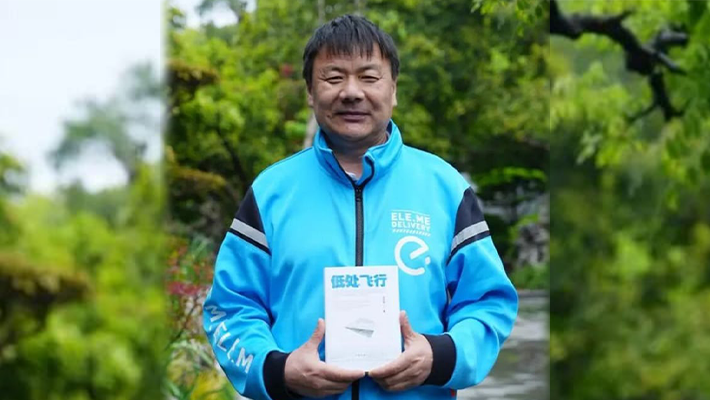
Food delivery rider wins China’s Lu Xun Literature Prize in poetry
A 56-year-old Chinese food courier, Wang Jibing, has been named the winner of China’s Lu Xun Literature Prize in poetry.

Showbiz
Portable challenges Terry G to boxing match
Nigerian singer Habeeb Okikiola, aka Portable, has challenged veteran artiste Terry G to a boxing match, saying the bout would revive Terry G’s career.

Economy
UK govt fines Southern Water £7 million for sewage pollution
The prosecution came almost exactly five years after Southern Water received a record £90 million fine for nearly 7,000 illegal sewage discharges.

World
Andy Burnham is people pleaser, doesn’t want scrutiny: Kemi Badenoch
The leader of the UK Conservative Party, Kemi Badenoch, has described the prospective prime minister as a “people pleaser”.

Education
UniCal reaffirms ban on wild post-exam celebrations, warns students
The University of Calabar has reiterated its ban on wild post-examination celebrations and other acts that could disrupt peace on campus.

Politics
Governors urged to embrace non-custodial prison sentences
Mr Enobore, a former spokesman for the Nigeria Correctional Service, gave the charge in an interview on Monday in Abuja.


