

Group urges Wike to reactivate environmental courts, tribunals in FCT

To tackle the environmental challenges facing the nation’s capital, a non-governmental organisation (NGO) has called on the minister of FCT, Nyesom Wike, to reactivate the environmental court and tribunals.
The NGO, the CRUX Environmental Rights, Advocacy and Development Foundation (CERADF), stated this in a letter written to the minister.
The letter is titled, “Request for the Reactivation of Environmental Courts and Tribunals in the Federal Capital Territory (FCT), Abuja.”
It reads: “The CRUX Environmental Rights, Advocacy and Development Foundation (CERADF) respectfully presents this formal request for the reactivation and strengthening of dedicated Environmental Courts and Tribunals within the Federal Capital Territory (FCT).
“Specifically, we request the establishment of a central Environmental Court within the High Court of the FCT, as well as Environmental Tribunals across all six Area Councils.
“This call is made pursuant to relevant constitutional and statutory provisions and in recognition of the urgent environmental challenges confronting the nation’s capital.”
According to CERADF, the Abuja Environmental Protection Board (AEPB), established in 1997, introduced mobile courts in May 2022 to address environmental infractions.
It, however, said that these measures had proven inadequate for the scale and complexity of the environmental crisis now facing the FCT.
“Recent CERADF’s field monitoring across Gwarinpa, Utako, Mpape, Kubwa, Nyanya, Karu, Lugbe, Kuje, Apo Mechanic Village, and even parts of the Central Business District reveals widespread waste accumulation and poor sanitation.
“These conditions have resulted in: Overburdened AEPB and waste-management agencies; Blocked drainages and recurrent flooding; Increased rodent infestation and heightened public-health risks,” it said.
Besides, it said the situation had also resulted in “escalating pollution and offensive odours; reputational damage to Abuja as Nigeria’s administrative and diplomatic capital; weak enforcement due to slow court processes and insufficient deterrent penalties.”
He said that while public sensitisation efforts are ongoing, they cannot succeed without a dedicated judicial framework that ensures speedy trials, consistent application of environmental laws, and firm sanctions for violators.
The NGO therefore gave recommendations, including collaboration with the chief judge of the High Court of the FCT, among others.
(NAN)

We have recently deactivated our website's comment provider in favour of other channels of distribution and commentary. We encourage you to join the conversation on our stories via our Facebook, Twitter and other social media pages.

More from Peoples Gazette

States
Independence: NBA urges Nigerians to expect better future
The NBA said that ordinary Nigerians should be deriving benefit from the subsidy removal rather than hardship.

Agriculture
FG tasks ECOWAS on leveraging financing strategies for agroecology
The federal government has urged stakeholders in the agriculture and finance sectors in the West Africa region to leverage financing strategies to enhance agroecology practices

Politics
Katsina youths pledge to deliver over 2 million votes to Atiku
“Katsina State is Atiku’s political base because it is his second home.”
States
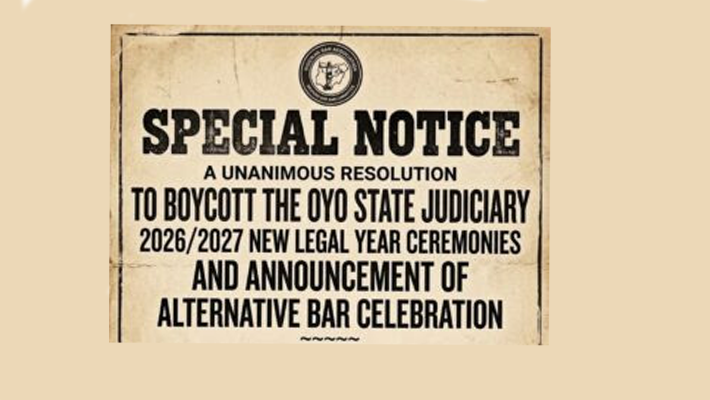
NBA Ibadan to boycott Oyo judiciary’s new legal year event
The branch said it unanimously reached the boycott decision at its general meeting convened on Saturday.
Heading 1
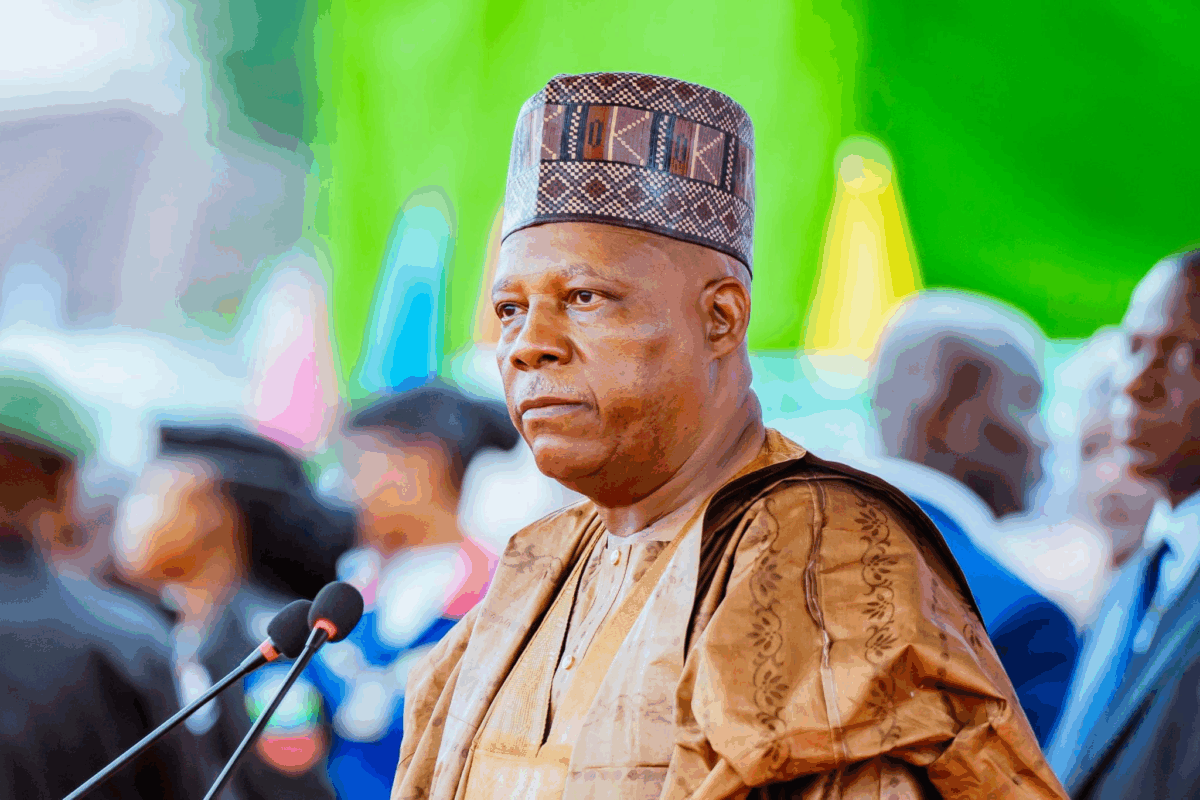
Under Buhari Nigeria was collapsing before Tinubu came as saviour: Shettima
Mr Shettima stated Nigerians should be kind towards Mr Tinubu.

States
Kano governor condoles NIPR chairman over father’s death
The governor urged the bereaved family to take solace in the good virtues and legacies left behind by the deceased.
![Vessels along Strait of Hormuz (Photo credit: Benoit Tessier/File Photo/Reuters]](https://gazettengr.com/wp-content/uploads/cxk79fQB.jpg)
World
Iran lists seven conditions to reopen Strait of Hormuz
Mr Ghalibaf said accepting the seven demands was the only way to reopen the oil passageway.

States
Two suspected cultists nabbed in Delta for alleged murder
Mr Edafe said the suspects were apprehended on Thursday by the command’s operatives of the Violent Crime Response Unit.

Lagos
Tinubu visits Oba of Lagos, receives monarch’s counsel, prayers
Some APC stalwarts, political associates and other dignitaries were part of the visit.


