

High cost of living pushing more Nigerians to buy second-hand clothes: Vendors
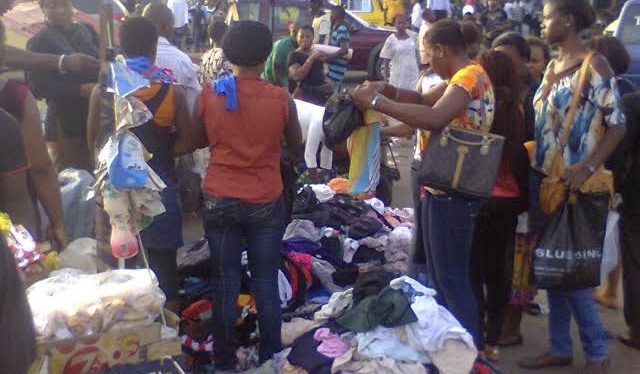
Some sellers of second-hand clothing, popularly called thrift or ‘Okrika’, have described the high demand and trend of the items as essential for Nigerians, amid the rising cost of living.
The vendors gave their opinions on the trend in an interview with journalists on Sunday in Abuja.
They said that with the rising cost of living, second-hand clothing was now widely embraced by Nigerians because of its affordability and budget-friendliness.
For the sellers, it is a thriving and profitable business.
Both thrift and ‘Okrika’ are generally referred to as fairly used clothes, bags, shoes, imported from especially the UK and the USA, but have different market presentation, pricing and target customers.
Joy Timothy, one of the commodity sellers in Bwari, said that most of her customers were students and workers, who could no longer afford new brands.
She noted that although both thrift and ‘Okrika’ are crucial sources of affordable clothing, thrift items are mostly newer and usually handpicked, sorted, and sometimes styled for resale.
Ms Timothy said that thrift items are sold faster in online spaces because of their style, originality, and convenience.
“Thrift bale is almost new; you can find clothes by famous designers that may have been taken off store shelves abroad, probably due to a minor defect or sewing mistake; it might not necessarily have been used before.
”Some even come with their tags. We sort them and hang them for resale online on social media platforms like Instagram and WhatsApp, or in boutiques for those who have larger supplies..
“We use online marketing because it attracts students, young professionals, and fashion-conscious buyers who prefer unique and trendy items that are uncommon,” Ms Timothy said.
Ms Timothy added that prices of thrift are usually higher than regular second-hand items but are still cheaper than brand-new clothes in some boutiques or stores.
On the other hand, she said ‘Okrika’ are sold in open markets, roadside stalls, or through bale sales at much cheaper prices and is more accessible and affordable, especially to middle-income earners.
Similarly, Peace Ugo, an ‘Okrika’ trader in Bwari market, said that demand for second-hand clothing had increased among Nigerians because of its affordability, stylish and budget-friendly options.
She also noted that it provided a significant hustle opportunity and a source of income and livelihood for its traders, including online vendors, who, she noted, were mostly youths.
Ms Ugo said that although thrift and ‘Okrika’ vendors competed for patronage, both had their target customers and neither was a threat to the other in the business.
According to her, ‘Okirika’ sold faster in terms of volume and daily patronage, probably because of the physical market location, especially when new bales opened on specific days.
”Thrift, on the other hand, has a higher profit margin per piece than Okrika because those who know the value of what they were getting would pay as much to get just an item for twice the price of an Okrika item, especially if they compared the price to a brand new one,” she said.
She added that while ‘Okrika’ items attracted bulk buyers like mothers, who buy for their children and wards, students and sometimes, traders who buy for resale at other stalls.
On preference, Regina Oche, a student, said that although selecting good items from ‘Okrika’ bale was a bit hectic and stressful, she preferred to sit and get as much as she wanted at a cheaper price, compared to buying one or two thrift clothing items online.
” Sometimes I stand for more than 30 minutes, picking and selecting. I can get over ten good items for N1,000 per piece or even less, but in a thrift store, only one item is like N3,500 or more.
” What I observed is, you can still get upgraded goods like that of the thrift from an Okrika bale if you can patiently select and sometimes, even the thrift vendors get it from there too.”
Another buyer, Chinwe Ofor, said that with the inflation and rising cost of living, many people turned to ‘Okrika’ items, not only for the cost but because it was more durable.
“A lot of parents, especially, find it more practical to get clothes for their children who quickly outgrow clothes, from selected bales, including shoes, school and lunch bags and at very cost-effective prices too.
”I also like buying from the local sellers because I believe that it will help boost their business and empower them to fend for their families, too.”
However, Glory Etim, another buyer, said that she preferred thrift buying because it was stress-free, affordable and easier for a corporate worker like herself who had little or no time to go shopping in the market.
She also said that her preference was also because thrift clothes were “far cheaper than new ones” and one could get a branded or high-quality piece at a fraction of the price.
“They usually have these unique or vintage appeal styles that are rare and not available in regular stores.
“Also, if you are a fashion lover, you can create a personal style that stands out, from a thrift collection instead of wearing mass-produced items,” Ms Etim said.
She added that second-hand clothing had helped reduce demand for expensive brands and has promoted trendy, fashionable recycling among Nigerian youths, especially students and workers.
(NAN)

We have recently deactivated our website's comment provider in favour of other channels of distribution and commentary. We encourage you to join the conversation on our stories via our Facebook, Twitter and other social media pages.

More from Peoples Gazette

States
Independence: NBA urges Nigerians to expect better future
The NBA said that ordinary Nigerians should be deriving benefit from the subsidy removal rather than hardship.

Agriculture
FG tasks ECOWAS on leveraging financing strategies for agroecology
The federal government has urged stakeholders in the agriculture and finance sectors in the West Africa region to leverage financing strategies to enhance agroecology practices

Politics
Katsina youths pledge to deliver over 2 million votes to Atiku
“Katsina State is Atiku’s political base because it is his second home.”
States
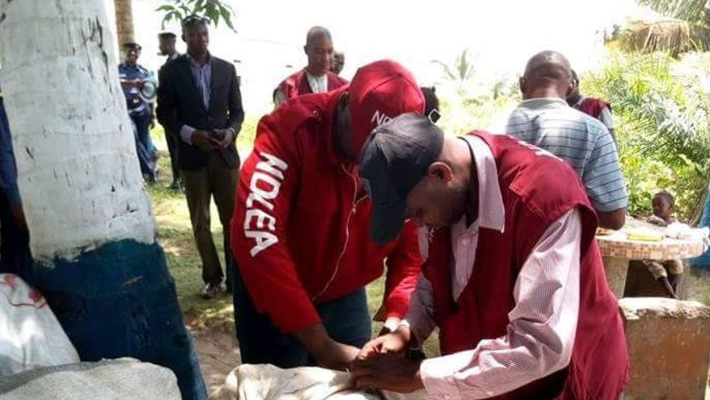
NDLEA arrests South African woman, U.S.-based grandmother over drug trafficking
Mr Babafemi said the NDLEA operatives recovered 5,820 pills of diazepam, 780 tablets of tramadol, 3.7kg of skunk, and 230.25 litres of skuchies.

Abuja
Tiler arrested for allegedly killing hotel worker in Abuja
The police boss urged residents to shun violence and self-help during disagreement.
States
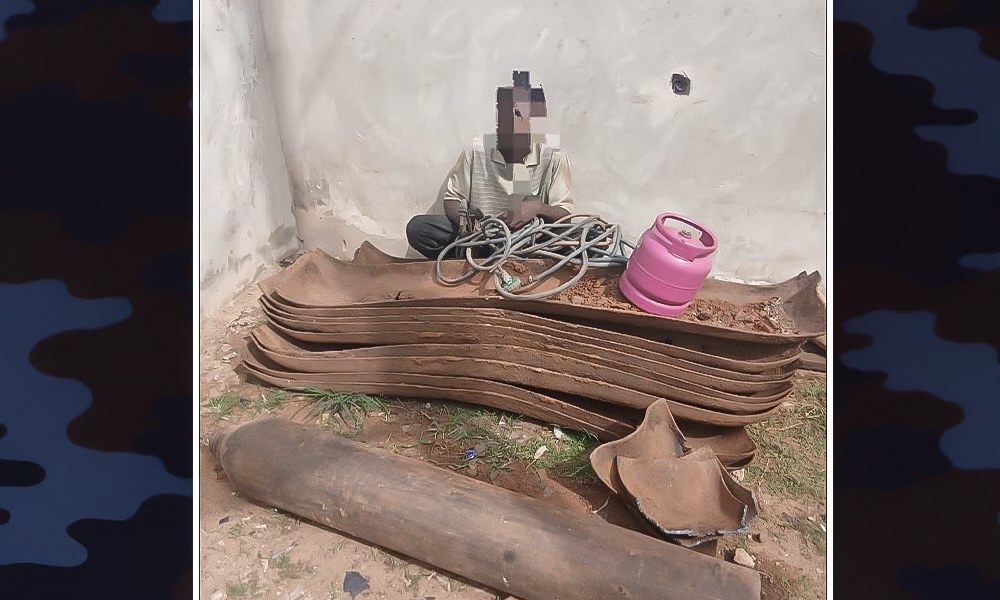
Ogun police arrest suspected railway vandal, recover 16 stolen iron rods, gas cylinders
The 36-year-old suspect was apprehended after operatives intensified surveillance in the area on Friday.

States
Katsina to deploy 7,000 teams for polio vaccination campaign
The director said the campaign would prioritise high-risk communities.
World
Carnegie Mellon didn’t discipline me for my anti-white hate, call to violence: Uju Anya
Ms Anya earned a reputation for mocking white people and celebrating their deaths.


