

Human Rights Watch urges Nigeria, others to accelerate ‘free education for all’
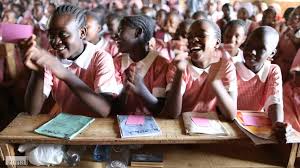
African governments should accelerate plans to guarantee free quality education from preschool through secondary education before 2030, Human Rights Watch said today on the African Union (AU)’s Day of the African Child, June 16, 2024.
Africa is the region with the world’s highest out-of-school population. In 2021, 98 million children and older adolescents of primary and secondary school age were out of school. The majority of pre-primary-age children are unable to access early childhood education. Although significant progress has been made across the continent to close gender gaps, more girls are out of school than boys and many drop out before completing primary or secondary education.
“Millions of African children are still waiting to get an education, while millions more are in school but not receiving the quality education their governments have pledged to provide,” said Mausi Segun, Africa director at Human Rights Watch. “Dozens of African states have adopted educational standards that contradict their human rights obligations, compromising the quality of education available to African children.”
The 2024 theme for the Day of the African Child is: “Education for All Children in Africa: The Time is Now.” With deadlines to reach global and African education commitments fast approaching, African governments should focus on guaranteeing access to quality free education and remove legal, policy, and practice barriers that continue to deny an education to millions of children, especially girls, Human Rights Watch said.
All African governments have adopted commitments to guarantee 12 years of primary and secondary education for all children and to provide at least one year of free pre-primary education. Deadlines set by states to fulfill these goals are fast approaching, including the AU’s Continental Education Strategy, which sets out member states’ objectives to be met by 2025, and the Sustainable Development Goals, which should be reached by 2030. The AU set 2024 as its Year of Education to renew collective commitment and joint action by African countries toward these goals and its longer-term development agenda.
Some African states have taken important steps towards guaranteeing these rights. In 2022, Zambia implemented a free education policy from early childhood to secondary education in all public schools, while Madagascar adopted a bill to provide for one year of free and compulsory pre-primary education. In 2023, Sierra Leone adopted a new education law, guaranteeing children a full 13 years of free education, including one year of pre-primary as well as secondary education.
Financial barriers and the lack of free education have a disproportionate impact on children from the poorest households, who are often at higher risk of dropping out. All governments should adopt stronger measures to advance free education and to end the practice of charging students extra-official tuition and enrollment fees, charges for school materials, as well as unaffordable payments for school uniforms and tackle other indirect costs such as school transportation.
African governments’ commitments to guarantee at least one year of pre-primary education have not been implemented consistently, Human Rights Watch research shows. In Uganda, which adopted free primary education in 1997 and free secondary education in 2007, free pre-primary education is not available. Human Rights Watch and the Initiative for Social and Economic Rights Uganda found that very high fees for children ages 3 to 5 in private pre-primary schools exacerbate inequality in learning and create an insurmountable barrier for most families, particularly those in rural areas and those with little income.
African governments should adopt legal and policy frameworks to guarantee the right to early childhood education and ensure that lower and higher secondary education is free and available to all children across Africa, Human Rights Watch said. They should particularly focus on ensuring that universal access to primary and secondary education is underpinned by fully free education.
African governments will not fulfill their obligations until they have eliminated the biggest barriers and ended human rights abuses faced by girls. Thousands of girls permanently drop out of school or are forced out by teachers and school officials because they are pregnant or are parents, and many are unable to continue schooling due to child marriage. Eighteen of the 20 countries with the world’s highest child marriage rates are in sub-Saharan Africa. Most have very high rates of teenage pregnancy and high percentages of girls out of secondary school.
Governments’ failures to tackle and prevent school-related sexual violence and end impunity for sexual offenses is a serious obstacle for many girls. In many countries, students, overwhelmingly girls, face high levels of sexual and gender-based violence, including sexual exploitation, harassment, and abuse by teachers, other school officials, and students.
In Kenya, Tanzania, Sierra Leone, and Senegal, some teachers and school officials, as well as many motorcycle and bus drivers, sexually exploit and coerce girls in exchange for money for tuition fees, menstrual pads, and other basic items. In Senegal, in some contexts, the low retention rate of girls is closely linked to fear that girls will be exposed to sexual harassment and gender-based violence in school or that girls will be at high risk of pregnancy because of the school environment.
Across the continent, progress has been made in advancing the right to education of girls who are pregnant or parenting. Thirty-eight countries have adopted policies related to the education of students who are pregnant or parenting. Yet, even with these policies, some countries adhere to measures that effectively hinder girls’ right to education, including the denial or limitations on comprehensive sexuality education and inaction on widespread school-related sexual violence.
More than 10 countries also adhere to punitive policies or lack frameworks that acknowledge adolescent pregnancy in schools. At least 5 also make sexual behavior outside of marriage a criminal offense.
African governments should urgently review their policies and adopt human rights-compliant measures for students who are pregnant or parenting that fully reflect their commitments to advancing girls’ right to education. Governments should also comprehensively respond to the broader needs of girls who are parenting, including with social protection measures that provide adequate financial support and guarantee access to child care and early childhood education.
Governments should focus more resources on preventing adolescent pregnancies by promoting and guaranteeing adolescents’ sexual and reproductive rights, including access to comprehensive, non-judgmental sexuality education and information.
“The African Union and states’ common vision for Africa’s future through education is clear,” Segun said. “African governments should urgently follow through on their commitments to guarantee fully free, quality education in line with their human rights obligations by 2030.”

We have recently deactivated our website's comment provider in favour of other channels of distribution and commentary. We encourage you to join the conversation on our stories via our Facebook, Twitter and other social media pages.

More from Peoples Gazette

Agriculture
FG tasks ECOWAS on leveraging financing strategies for agroecology
The federal government has urged stakeholders in the agriculture and finance sectors in the West Africa region to leverage financing strategies to enhance agroecology practices

Politics
Katsina youths pledge to deliver over 2 million votes to Atiku
“Katsina State is Atiku’s political base because it is his second home.”
Hot news Home top
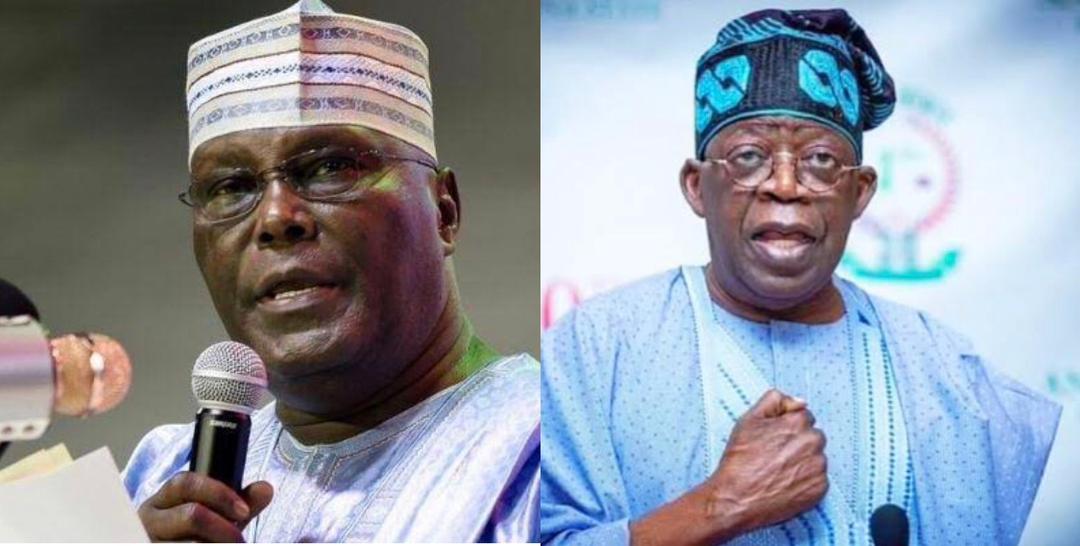
Your Independence Day speech fake, full of empty promises; tell Nigerians your govt’s feats in three years, Atiku tackles Tinubu
“Nigerians are entitled to ask: what have you done with the time already given to you?,” Mr Abubakar said.

States
Independence: NBA urges Nigerians to expect better future
The NBA said that ordinary Nigerians should be deriving benefit from the subsidy removal rather than hardship.
States
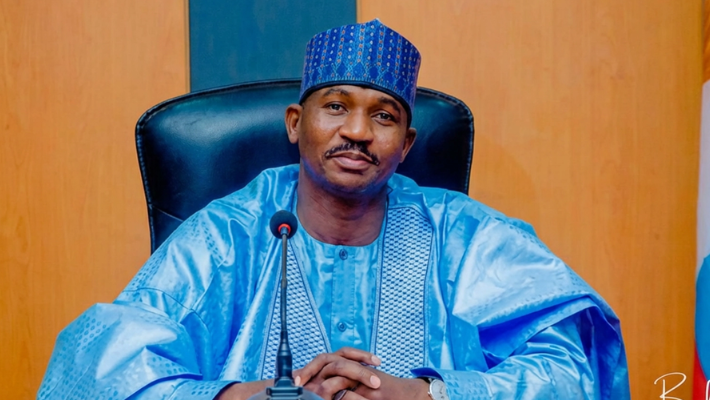
Gov Aliyu seeks collaboration to end insecurity in Sokoto
Mr Aliyu stressed the need for greater collaboration between the federal and state governments to fight banditry and other forms of criminality bedevilling parts of the country.

NationWide
Independence: NOA advises Nigerians to pray for leaders, support national development
The director urged the citizens to remain hopeful and shun violence, fake news and acts capable of undermining national cohesion.

States
Independence: Adamawa ADC governorship candidate urges job creation, adequate security
Mr Suleiman said, “Government must be measured not by the volume of promises it makes, but by the lives it changes.”
States
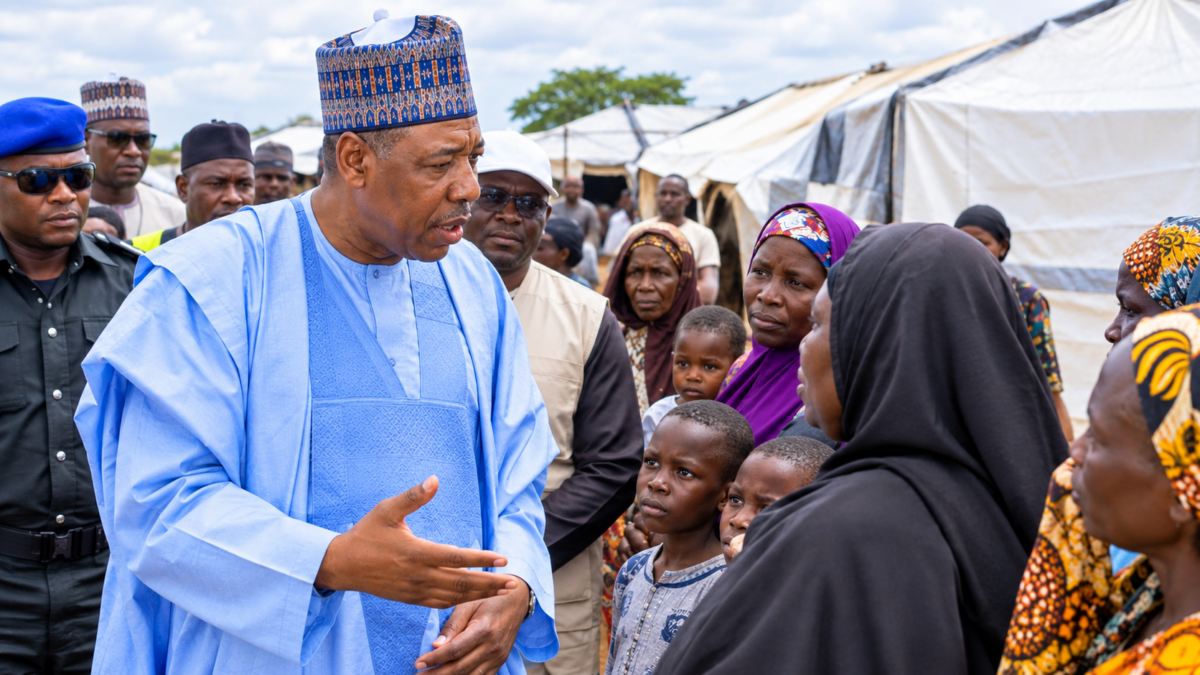
Gov Zulum highlights post-insurgency recovery, Kwara speaker urges selflessness
Mr Zulum highlighted the state’s post-insurgency recovery, citing the return of about two million displaced persons and the reconstruction of more than 30,000 buildings.


