

IMF projects 3.0% global growth in 2026, 4.1% for Nigeria

The International Monetary Fund (IMF) has projected that global economic growth will slow to 3.0 per cent in 2026 before recovering to 3.4 per cent in 2027.
The IMF made the projection in its July World Economic Outlook (WEO) Update, released on Wednesday and titled “Global Economy in Crosscurrents of War and Technology.”
According to the report, the global outlook remains uneven, with the ongoing war in the Middle East weighing heavily on energy-importing and vulnerable economies.
It, however, said that artificial intelligence (AI)-driven demand was lifting countries integrated into the global technology value chain.
It stated, “The impact varies widely based on countries’ exposure to the war and position in the technology value chain.
“Energy exporters outside the conflict zone benefit from favourable terms of trade, whereas economies plugged into the technology-led upturn experience stronger activity even if they are energy importers.”
It said that economic activities would weaken in energy-importing countries with limited participation in the technology value chain, a group that includes many low-income economies.
The IMF also projected global headline inflation to increase from an estimated 4.1 per cent in 2025 to 4.7 per cent in 2026 before declining to 3.9 per cent in 2027.
According to the fund, the projections, revised slightly upward from the April outlook, suggest that the disinflation trend observed since early 2024 has stalled.
“For Sub-Saharan Africa, growth is expected to remain stable at 4.3 per cent in 2026 before rising to 4.5 per cent in 2027.
“However, the regional outlook masks significant differences across countries due to varying policy space, reform implementation and exposure to external shocks,” it said.
The report noted that oil-importing and non-resource-intensive economies would be more adversely affected by higher energy and food prices.
It added that some larger economies would continue to benefit from earlier stabilisation and reform efforts despite remaining largely outside the AI-driven technology upswing and facing reduced official development assistance.
For Nigeria, the IMF projected economic growth of 4.1 per cent in 2026, rising to 4.3 per cent in 2027.
“Nigeria is supported by improved macroeconomic stability and favourable terms-of-trade effects, though higher prices for essentials are expected to further aggravate poverty and food insecurity,” it said.
The report said among advanced economies, growth was projected at 1.7 per cent in 2026 and 1.8 per cent in 2027.
For emerging markets and developing economies, it projected growth to slow to 3.8 per cent in 2026 before recovering to 4.5 per cent in 2027.
The IMF projected growth in the Middle East and Central Asia to decline sharply to 0.7 per cent in 2026 before rebounding to 6.5 per cent in 2027.
It projected that growth in Latin America and the Caribbean would remain stable at 2.4 per cent in 2026 before rising modestly to 2.7 per cent in 2027.
It said that growth in emerging and developing Europe would remain restrained at about 2.0 per cent.
According to the IMF, risks to the global outlook are more balanced than in April but remain tilted to the downside.
It warned that renewed conflict in the Middle East could prolong commodity price volatility, further disrupt supply chains, raise prices and tighten global financial conditions.
The report also identified trade fragmentation, possible corrections in technology-driven market expectations and eroded policy buffers as additional downside risks.
On the upside, the IMF said faster-than-expected normalisation in energy markets, stronger technology investment, renewed international cooperation to reduce trade barriers and structural reforms could improve medium-term growth prospects.
It urged policymakers to maintain price stability, supported by clear communication, central bank independence and strong financial supervision.
It also recommended rebuilding fiscal buffers while limiting fiscal support to temporary and targeted measures that preserve market price signals.
It stated, “Structural reforms aimed at improving energy security, enhancing AI readiness and strengthening international cooperation will be critical to sustaining global growth amid ongoing geopolitical tensions.”
(NAN)

We have recently deactivated our website's comment provider in favour of other channels of distribution and commentary. We encourage you to join the conversation on our stories via our Facebook, Twitter and other social media pages.

More from Peoples Gazette

States
Independence: NBA urges Nigerians to expect better future
The NBA said that ordinary Nigerians should be deriving benefit from the subsidy removal rather than hardship.

Agriculture
FG tasks ECOWAS on leveraging financing strategies for agroecology
The federal government has urged stakeholders in the agriculture and finance sectors in the West Africa region to leverage financing strategies to enhance agroecology practices

Politics
Katsina youths pledge to deliver over 2 million votes to Atiku
“Katsina State is Atiku’s political base because it is his second home.”
Economy
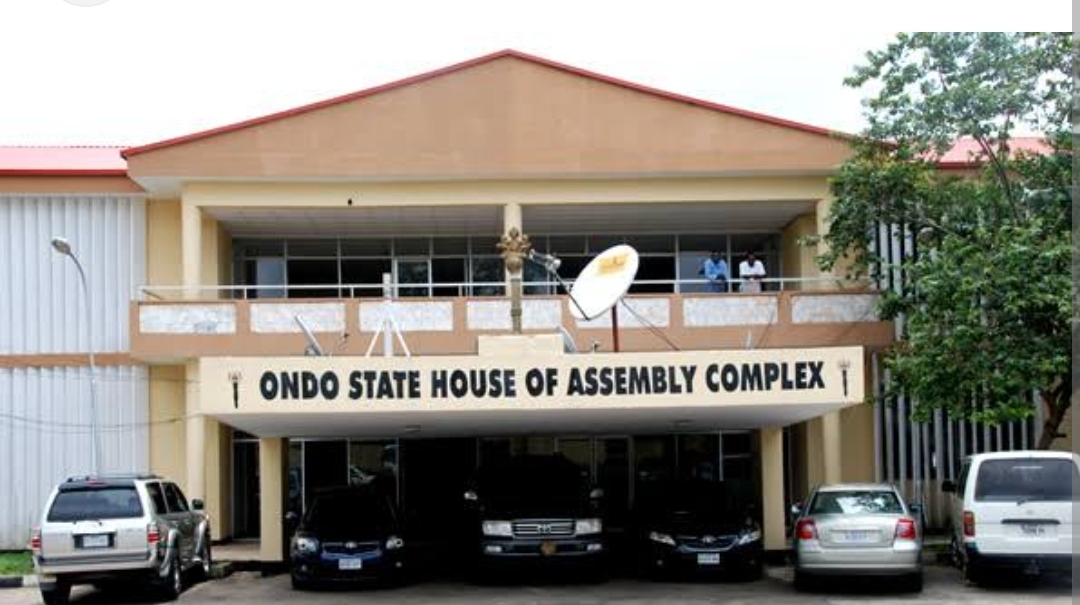
Ondo assembly seeks faster C of O processing to boost investment
The committee’s chairman, Abiola Oladapo, said efficient land administration was critical to creating an enabling environment for businesses.

Heading 4
Minister calls for greater involvement of oncology nurses in cancer care
The minister said cancer’s complexity made multidisciplinary collaboration essential.

Education
NOUN matriculates 70 inmates in Enugu custodial centre
Mr Nwakuche said the NCoS was committed to using education as an instrument for reformation.
Agriculture
Gombe inaugurates state-wide livestock vaccination campaign
Mr Yahaya said the exercise was aimed at protecting animal health.
NationWide
Asaba Massacre: Obasanjo urges forgiveness, reconciliation
He described the massacre as one of the most painful and terrible aspects of the Nigerian Civil War.

World
FBI nabs ISIS-linked Sheikhdoon Mohamud for plottting terrorist attack on Mall of America
He was arrested after buying an AK-47-style rifle, magazines and ammunition from an undercover FBI agent.


