

IMF urges Africa to strengthen governance for sustainable financing

Economists at the International Monetary Fund have called on governments in Sub-Saharan Africa to strengthen governance and maintain macroeconomic stability to secure sustainable financing.
The economists, Jean Serra and Thibaut Lemaire, made the call in Washington on Monday at the Annual Meetings of the IMF/World Bank Group.
They analysed how African countries could effectively mobilise funds to build schools, hospitals, and other infrastructure while managing rising debt.
According to Mr Serra, public debt vulnerabilities remain high across the region, with interest payments consuming a significant portion of revenue.
“Since the COVID-19 pandemic, Sub-Saharan African nations have faced tighter global financial conditions, making it more difficult to access affordable external financing.
“A study examined three key financing sources, Eurobonds, cross-border syndicated loans and bond markets, highlighting both the opportunities and challenges they present.
“Between 2020 and 2024, African governments raised about 40 billion dollars through Eurobonds, while syndicated loans accounted for 170 billion, however, borrowing costs have surged in recent years,” he explained.
He said that the average yield on Eurobonds rose from 6.5 per cent to 9.5 per cent, reflecting both global market tightening and country-specific risks
Mr Lemaire said that there was no inherent bias or “African premium” in the markets once factors like governance quality and economic fundamentals were taken into account.
According to him, countries with stronger institutions and better governance not only enjoy lower borrowing costs, but also attract more investment.
He said that while syndicated loans had become easier to access, they often lacked transparency compared to Eurobonds, posing accountability challenges for citizens and parliaments.
“Meanwhile, domestic bond markets have emerged as a growing source of funding, with local debt issuance doubling since 2019,” he said.
He said that local markets must be handled with care, adding that overreliance on domestic banks to finance government debt could expose financial systems to instability.
The two IMF economists agreed that deep reforms were needed to strengthen institutions and improve governance.
They said that such a step would help African countries diversify their financing mix, reduce borrowing costs, and create fiscal space for critical social and infrastructure investments.
(NAN)

We have recently deactivated our website's comment provider in favour of other channels of distribution and commentary. We encourage you to join the conversation on our stories via our Facebook, Twitter and other social media pages.

More from Peoples Gazette

Agriculture
FG tasks ECOWAS on leveraging financing strategies for agroecology
The federal government has urged stakeholders in the agriculture and finance sectors in the West Africa region to leverage financing strategies to enhance agroecology practices

Politics
Katsina youths pledge to deliver over 2 million votes to Atiku
“Katsina State is Atiku’s political base because it is his second home.”
Heading 5
2027: YPP unveils Lagos secretariat
Mr Filani said the party was committed to rescuing Nigeria through purposeful leadership.

Hot news Home top
Spain, Argentina, France top FIFA rankings
Spain moved up one place to displace Argentina from the top spot.
Agriculture
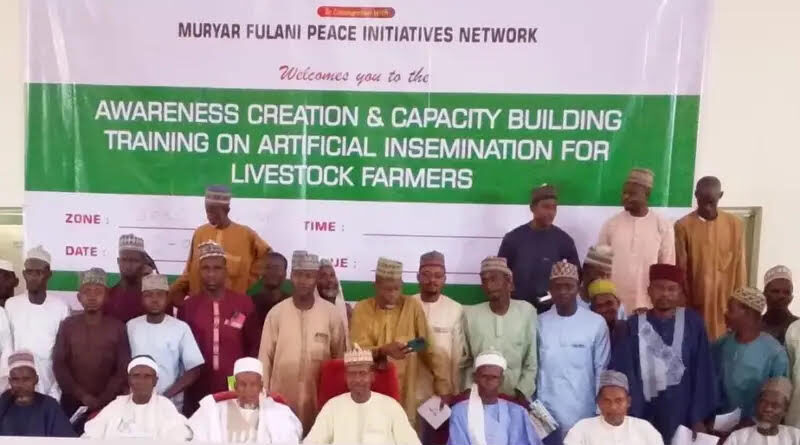
Sokoto trains livestock farmers on artificial insemination
Mr Abubakar said the initiative would strengthen breeders’ capacity.
Heading 5
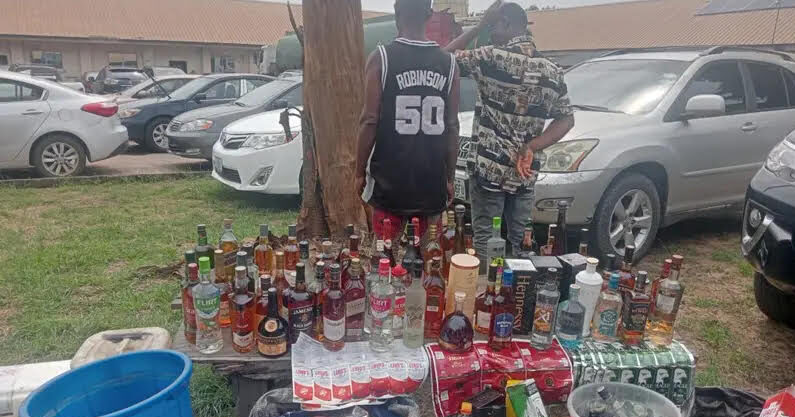
NAFDAC nabs two fake alcohol merchants in Lagos
He urged operators dealing in regulated products to comply with all NAFDAC regulatory requirements.
Lagos
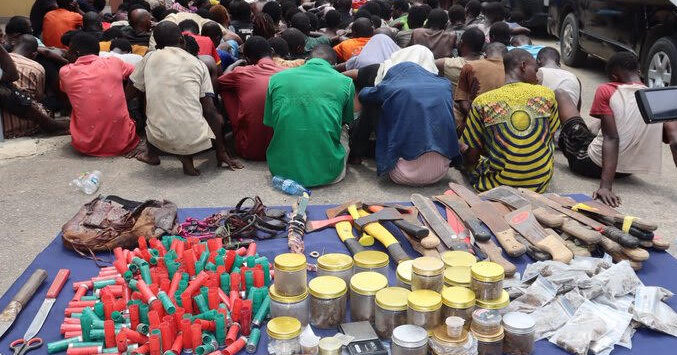
Police nab 147 suspected criminals in Lagos
The operatives targeted criminal hideouts across the state on Sunday, July 19, 2026.
Heading 1
Tinubu names Fayose, 25 others in new appointments
All the appointments take immediate effect.


