

Iran, Israel differ on resolving conflict with diplomacy at UN
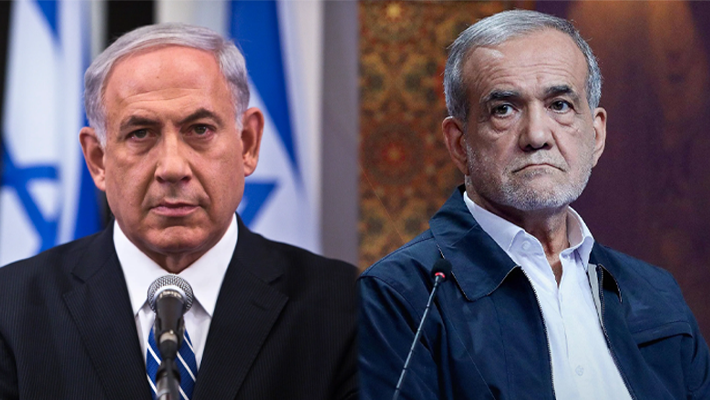
Iran and Israel, on Tuesday at the UN Security Council, sharply disagreed over employing diplomacy to resolve Iran’s nuclear programme that led to a 13-day violent conflict between them.
Iran had said diplomacy could and must resolve differences between it and Israel on the one hand and the world, on the other hand, over its nuclear programme.
However, Israel differed, warning that diplomacy with Iran had failed.
Iran’s Ambassador to the UN, Amir Iravani, told the Security Council that his country “never initiated this war”.
Mr Saeid said, “Once the aggressors stopped their attacks, Iran stopped its lawful military response as well.”
Mr Saeid also expressed his country’s strong commitment to diplomacy as the path through which differences can and should be resolved.
“Iran continues to believe that a diplomatic resolution to nuclear and sanction issues is possible,” Mr Saeid said.
He called on the Security Council to condemn Israel’s and the United States’ attacks on Iran and their International Atomic Energy Agency-protected nuclear facilities and work to ensure that they never happen again.
Mr Saeid added that Iran upheld Council Resolution 2231 and the Joint Comprehensive Plan of Action and that remedial measures were “fully consistent” with these two instruments.
However, Israel warned that diplomacy with Iran over its nuclear programme had failed.
Israeli ambassador Danny Danon defended his country’s military operation against Iran, describing it as a necessary move to neutralise a “double existential threat” from Tehran’s nuclear and missile programmes.
He said Israel achieved complete air superiority and removed key regime targets, acting in coordination with the U.S.
Mr Danon accused Iran of deceiving the world for years, using diplomacy as cover to advance its nuclear weapons programme.
“There is still time to take meaningful and decisive action to ensure that the threat of a nuclear Iran does not return stronger than before,” he said. “We are often told that diplomacy must be given a chance. It was given every chance, every round, every channel, every deadline. But so far, it has failed. The regime in Tehran never had any intention of complying.”
The United States, in its position, urged Iran to return to the negotiation table and renounce its nuclear programme. Acting U.S. permanent representative to the UN, Dorothea Shea, said Iran’s increase in nuclear activity lacked “any credible civilian justification”.
The UK ambassador, Barbara Woodward, welcomed the ceasefire brokered by President Donald Trump but warned that “the situation remains extremely fragile”.
Expressing that “now is the time for a return to diplomacy,” Ms Woodward urged Iran to engage in talks without delay, warning that its nuclear programme had exceeded “any credible civilian justification.”
She said all diplomatic levers would be deployed for a negotiated outcome and to “ensure Iran does not develop a nuclear weapon.”
Echoing UN appeals for dialogue, the European Union stressed that “a lasting solution to the Iranian nuclear issue can only be through a negotiated deal, not military action.”
Briefing the council, Stavros Lambrinidis said, ”Ensuring that Iran does not acquire or develop a nuclear weapon remains a key security priority for the EU.”
A fragile ceasefire brokered by the U.S. between Iran and Israel appears to be holding, marking a tentative halt to a dangerous regional escalation.
UN political affairs chief Rosemary DiCarlo said the fragile ceasefire announced by Mr Trump provided “an opportunity to avoid a catastrophic escalation and achieve a peaceful resolution of the Iran nuclear issue.”
Amid the relative calm, the UN renewed its call for a diplomatic solution to the Iran nuclear issue, warning that the objectives of the Iran nuclear deal and the resolution that endorsed it remained unmet.
JCPOA is an agreement negotiated between Iran and the permanent members of the UNSC with the EU. It aims to limit Iran’s nuclear programme to exclusively peaceful purposes in return for sanctions relief and other provisions.
(NAN)

We have recently deactivated our website's comment provider in favour of other channels of distribution and commentary. We encourage you to join the conversation on our stories via our Facebook, Twitter and other social media pages.

More from Peoples Gazette

Agriculture
FG tasks ECOWAS on leveraging financing strategies for agroecology
The federal government has urged stakeholders in the agriculture and finance sectors in the West Africa region to leverage financing strategies to enhance agroecology practices

Politics
Katsina youths pledge to deliver over 2 million votes to Atiku
“Katsina State is Atiku’s political base because it is his second home.”

Hot news Home top
Officers who wait for orders to kill terrorists will be treated as bandits: Defence Minister
Defence Minister Christopher Musa says security personnel do not need to wait for an order before engaging armed bandits or terrorists.

Heading 3
Reps urge Tinubu to act as Nigerians paid N2.23 trillion ransom to kidnappers
The House emphasised the need to strengthen financial intelligence and collaboration among relevant security.
![Nigerian Upstream Petroleum Regulatory Commission [NUPRC]](https://gazettengr.com/wp-content/uploads/NUPRC.png)
NationWide
2024 Bid Round: NUPRC hands petroleum prospecting licences to 12 firms
NUPRC said the exercise marked another milestone in efforts to attract fresh investment into the upstream petroleum industry.

Hot news Home top
ADC bars state chapters from receiving court processes, engaging lawyers
Mr Abdullahi said the party received reports that court processes relating to the ADC were being served on state chapters across the country.

Heading 4
NiMet predicts three-day cloudy, rainy atmosphere from Thursday
According to NiMet, strong winds may precede rain in areas where thunderstorms are likely.
Heading 1
Stop guessing Nigeria’s population, UN tells FG
Ms Mafico reaffirmed UNFPA’s support for Nigeria’s next population and housing census.


