

Ireland tightens citizenship rules for Nigerians, others, proposes eight years’ residence, language test, civics exam
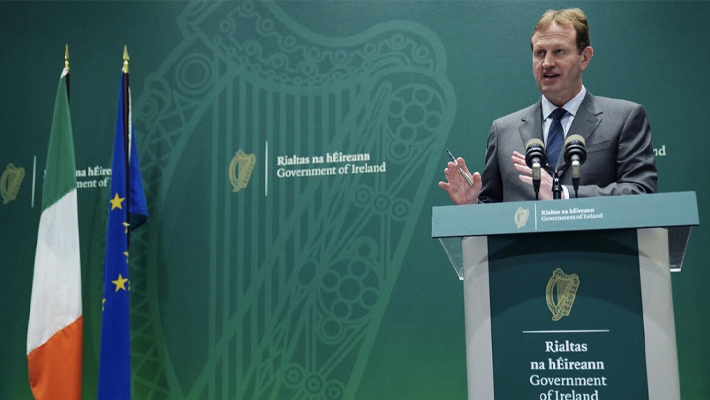
Immigrants in Ireland may face a longer wait to become naturalised Irish citizens under a series of proposed immigration and citizenship reforms, as the government moves to implement what it describes as the country’s biggest migration overhaul in a generation.
It was gathered that Justice minister Jim O’Callaghan is expected to present the new proposals before the Cabinet on Wednesday, with one of the major recommendations being the extension of the period an individual must live in Ireland to become eligible for citizenship from five to eight years.
Under the proposed bill titled the ‘Irish Nationality and Citizenship (Amendment) Bill 2026,’ applicants for citizenship would also be required to prove their understanding of either English, Irish or Irish Sign Language through testing before they can qualify for naturalisation.
Furthermore, an individual applying for citizenship must demonstrate “knowledge and understanding of Irish civics,” including society and politics to a certain standard while the bill also seeks to create a “distinct ground” that would allow the minister to “revoke citizenship on public order and national security grounds.”
The Irish Examiner reported that the new legislations also target spouses of Irish nationals as applicants in the category would have to be married or be in civil partnership and live together in Ireland for five years rather than the current three years to become eligible for citizenship.
The wait period includes two years of continuous residence before the application, as well as three years’ residency in the last five years.
Other portions of the new proposals by Mr O’Callaghan will include granting the minister authority to set a level of income that a person must earn before being eligible for citizenship.
Additionally, the bill seeks to ban applicants from receiving social welfare payments or housing supports at any time during the naturalisation process, while disqualifying any individual who committed an immigration offence before or during the process from being granted citizenship.
Mr O’Callaghan will ask the Cabinet to approve the draft during Wednesday’s meeting.
The Examiner reported that an estimated 235,000 people have become Irish citizens since 2011. In 2025, nearly 26,400 people were granted naturalisation.

We have recently deactivated our website's comment provider in favour of other channels of distribution and commentary. We encourage you to join the conversation on our stories via our Facebook, Twitter and other social media pages.

More from Peoples Gazette

States
Independence: NBA urges Nigerians to expect better future
The NBA said that ordinary Nigerians should be deriving benefit from the subsidy removal rather than hardship.

Agriculture
FG tasks ECOWAS on leveraging financing strategies for agroecology
The federal government has urged stakeholders in the agriculture and finance sectors in the West Africa region to leverage financing strategies to enhance agroecology practices

Politics
Katsina youths pledge to deliver over 2 million votes to Atiku
“Katsina State is Atiku’s political base because it is his second home.”
States
2027 Campaign Flag-Off: Kaduna ready to host Tinubu, says deputy governor
Ms Balarabe said that people will be screened before gaining access into the stadium.

Sport
UCL: Diomande, Mbappe score as Real Madrid thrash RB Leipzig 4-1; Arsenal, Bayern Munich settle for draw
The win moved Real Madrid to fourth in the Champions League standings.

Heading 3
Jonathan urges FG to prioritise industrialisation, technical skills development
He urged the federal government to transform Nigeria into a major production hub.

World
EU approves final €6 billion COVID -19 recovery payment to Germany
The final payment brings Germany’s total funding under the programme to 30.3 billion euros.

States
Borno police nab six over phone theft, N6 million fraudulent withdrawal
The command’s spokesperson said the incident occurred on October 13.

Anti-Corruption
EFCC arraigns suspect Abraham Abiara over alleged $626,282 fraud
Mr Abiara pleaded not guilty to the charge.


