

IRISE urges journalists to reshape SRHR narratives through ethical reporting

The Initiative to Resist Institutional Slavery and Exploitation, on Friday urged journalists to produce insightful and evidence-driven reports on Sexual and Reproductive Health and Rights.
The executive director of IRISE, Omodele Ibitoye-Ejeh, made the call at a two-day media evaluation and roundtable in Lagos.
The event reviewed the impact of media reportage on SRHR.
It also provided an opportunity for media partners to assess progress since IRISE’s February 2026 training on rights-based and evidence-driven SRHR reporting.
The evaluation was designed to identify challenges, share reporting experiences and develop practical approaches for improving SRHR reportage and its impact on society.
Ms Ibitoye-Ejeh, who is also the country coordinator for One Million Rising, a global movement to end gender-based violence, urged journalists to avoid survivor-blaming narratives.
She said journalists should use data and simple language to communicate SRHR issues effectively and correct misinformation in the media space.
“Media plays a critical role in shaping societal understanding of sensitive issues, including abortion and survivors of sexual violence,” she said.
Ms Ibitoye-Ejeh decried misinformation circulated by bloggers and urged professional journalists to remain visible in the media space to counter inaccurate narratives on SRHR.
She also called for greater attention to stigma and survivor-blaming in reports on sexual violence, stressing the need to hold perpetrators accountable and support survivors.
Cyracus Nnaji, a resource person, explained the importance of ethical reporting in cases involving survivors of sexual and gender-based violence.
Mr Nnaji urged journalists to avoid judgemental language and ensure that reports did not expose survivors to further trauma.
He defined SRHR from a human rights perspective as the right of every person to make decisions about their body without discrimination.
He added that the concept included access to quality reproductive health services, bodily autonomy and dignity.
“Ethical reporting should not be judgemental. Journalists should focus on the perpetrators and the offence committed rather than the survivor’s actions or behaviour,” he said.
Mr Nnaji also stressed the need to obtain survivors’ consent before publishing their stories and warned against exposing explicit details that could cause further stigma.
Moses Nosike of Vanguard Newspaper identified access to information from survivors as one of the challenges confronting journalists reporting SRHR issues.
He also noted that legal impediments sometimes made it difficult for journalists to obtain information needed for comprehensive SRHR reports.
(NAN)

We have recently deactivated our website's comment provider in favour of other channels of distribution and commentary. We encourage you to join the conversation on our stories via our Facebook, Twitter and other social media pages.

More from Peoples Gazette

States
Independence: NBA urges Nigerians to expect better future
The NBA said that ordinary Nigerians should be deriving benefit from the subsidy removal rather than hardship.

Agriculture
FG tasks ECOWAS on leveraging financing strategies for agroecology
The federal government has urged stakeholders in the agriculture and finance sectors in the West Africa region to leverage financing strategies to enhance agroecology practices
Politics
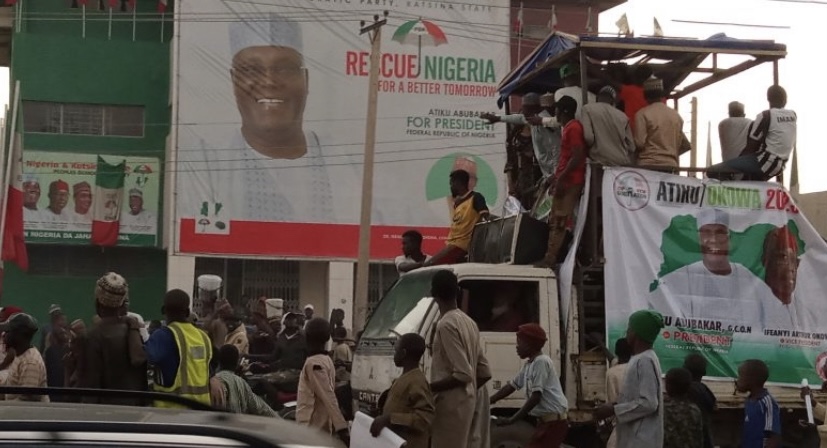
Katsina youths pledge to deliver over 2 million votes to Atiku
“Katsina State is Atiku’s political base because it is his second home.”
States
Gov Bago mourns Niger’s ex-chief judge Mayaki
Governor Mohammed Bago has mourned a former chief judge of Niger state, Muhammad Mayaki.

Heading 4
Tinubu’s priority is stable electricity not tariff hike: Power Minister Tegbe
Mr Tegbe said, “Let me make it categorically clear to Nigerians. And I’ll say it again. There’s no plan to increase tariffs.”

Rights
Daura Emirate Council investigating Polish tourist’s sexual assault video for AI trace: Official
The video captured the nonagenarian Emir, Faruk Umar Faruk, squeezing the tourist’s breasts without consent.

Africa
Libya’s daily oil output drops by 365,000 barrels
The corporation said the latest disruption involved closing a valve on the crude oil pipeline transporting output from the Sharara oil field.
Health
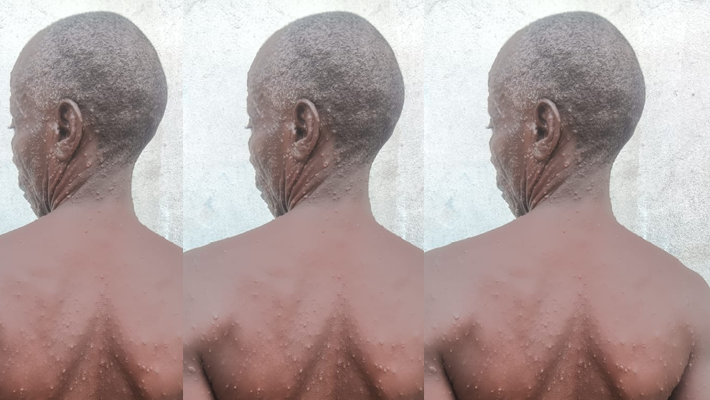
Bayelsa community raises alarm over skin disease outbreak
Ondewari Health Education and Environmental Project raised the alarm over a suspected skin disease outbreak in Ondewari, Southern Ijaw council area of Bayelsa.
Rights
Instagram deletes Polish tourist’s video of Nigerian emir grabbing her breast
“I need to start thinking about other things & places to leave Nigeria and what happened there behind,” said Mirka Cze.


