

Kaduna govt. sets up task force committee to curb gender-based violence
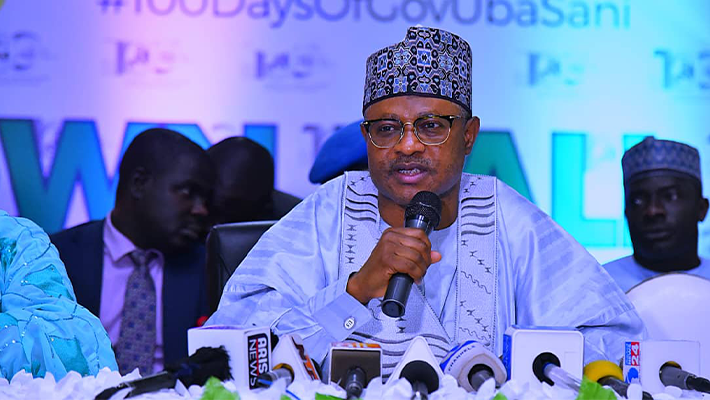
The Kaduna State government has reiterated its commitment to curb all forms of Gender-based Violence (GBV) against boys and girls, rape and other forms of abuse.
The state commissioner for human services and social development, Rabi Salisu, made this known on Saturday in Kaduna at a meeting with critical stakeholders on the prevention of violence against women and girls and the role of community leaders and other stakeholders.
The programme was organised by the Kaduna state ministry of human services and social development, in partnership with the UN Women, as part of activities marking the 16 days of activism.
The events for 16 days of activities in 2023 are with the theme “Unite, Invest and Prevent Violence Against Women and Girls”.
The commissioner said that the aim of the meeting was to seek solutions on ways to bring an end to the menace of gender-based violence.
She decried the high increase in cases of GBV across the country, saying that there is a need for parents and religious and traditional leaders to wake up and invest more in GBV.
Ms Salisu called on all to increase their commitment and awareness in their community of the danger GBV pose to society
According to her, the cases of GBV are under-reported by people in society due to fear of stigmatisation, adding that stiffer punishment should be given to perpetrators to serve as a deterrent to others
She said punishment for rapists in Kaduna is in place, that male rapists will be subjected to surgical castration as punishment while a female rapist will undergo removal of the fallopian tube.
Also speaking, pastor Godiya Ajiya of Praying Mothers International called on parents to always give their children adequate attention by monitoring their activities and the people they associate with, especially per group and domestic workers.
The clergy called on parents to give children adequate education, both spiritual and moral, including sex education, while denying them access to social media at an early stage.
In his goodwill message, Abubakar Galadima, Dallatun Rigasa, advocated the need to monitor the teachers to whom they entrust their children for educational purposes.
“Because we have handled several cases where some teachers have been found guilty of abusing children under their care,” he said
Mr Galadima explained that GBV was not only applicable to girls, adding that boys were also faced with such menace, calling on parents to be more responsible in taking care of their children..
On his part, Imam Muhammad Mujaheed emphasised that responsibility was more on parents in addressing GBV in society.
He said parents should ensure that they monitor the friends their children keep around, while religious and community leaders should desist from the habit of showing less concern on such cases and ensure they follow up cases related to abuse in their community.
Mr Mujaheed advocated that they should also step down the message to their communities and places of worship to ensure people understand the danger of the menace in society.
He also called on the government and security agencies to ensure that necessary laws for perpetrators were punished accordingly.
On his part, retired CSP Salihu Iyawa said there was a need for more sensitisation and engagement with security agencies.
In her remarks, Daharatu Aliyu, zonal secretary Zone “A” National Association of Women Journalists (NAWOJ), called for more collaboration with the media to ensure that the messages on GVB got to the public
She said that the media and NAWOJ were ready to render their support to ensure that GBV was illuminated in society, adding that cases of rape should not be covered as it was done in some societies for fear of discrimination.
She called on religious leaders to take the messages to their places of worship as their sermons for Friday prayers and Sunday services.
Rev. Ogundayo Leke, chairman of Kaduna Baptist Conference, said that mothers were very important pillars of the facility, hence the need for them to be more responsible for their children’s right upbringing.
Mr Leke urged parents to ensure they prevent the occurrence of GVB, adding, “in the event that it happens, they should ensure that the perpetrators are punished.”
(NAN)

We have recently deactivated our website's comment provider in favour of other channels of distribution and commentary. We encourage you to join the conversation on our stories via our Facebook, Twitter and other social media pages.

More from Peoples Gazette

Agriculture
FG tasks ECOWAS on leveraging financing strategies for agroecology
The federal government has urged stakeholders in the agriculture and finance sectors in the West Africa region to leverage financing strategies to enhance agroecology practices

Politics
Katsina youths pledge to deliver over 2 million votes to Atiku
“Katsina State is Atiku’s political base because it is his second home.”

States
Suspected Boko Haram terrorists, 11 others surrendered in Yobe: Military
Troops of Hadin Kai have arrested four suspected Boko Haram terrorists following a night ambush in Yobe, alongside the surrender of 11 terrorists.
Anti-Corruption
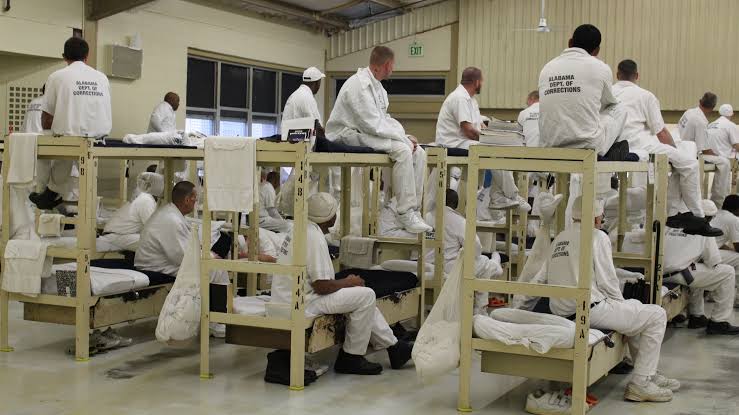
U.S. government official Lennie Miller sentenced to prison for bribery
This followed his January guilty plea to conspiring with Christopher Brackins and James Tillman, owners of general construction companies.

Economy
Nigeria ranks bottom in Africa as only 12% approve of Tinubu’s electricity performance: Report
Only one in eight Nigerians, or 12 per cent, gave Mr Tinubu pass marks for his government’s performance on electricity.
Heading 1
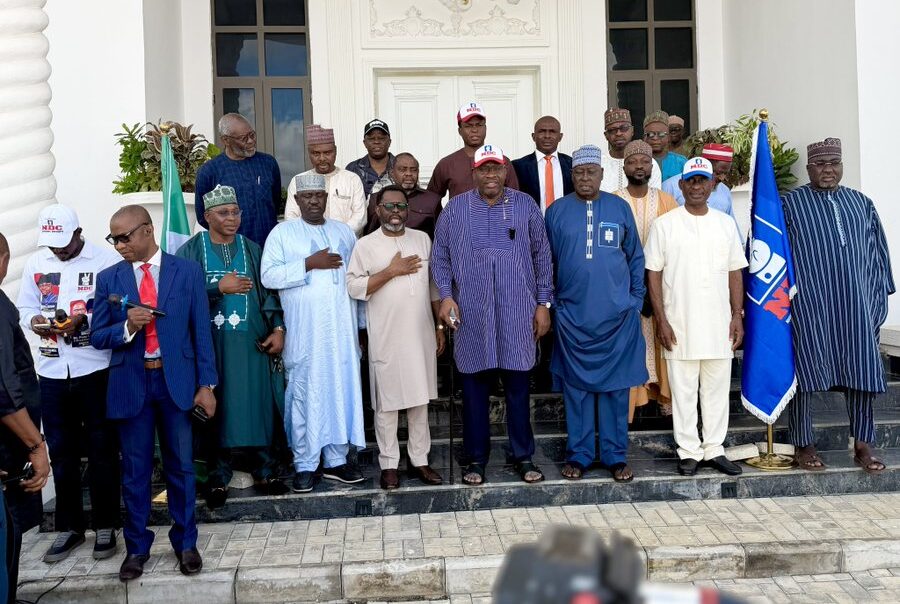
Obi Campaign Crisis: ‘Unheard of, nonsensical’, NDC leader Dickson blasts OK Movement
“Never in the history of the world have support groups set up a presidential campaign council. It’s unheard of and nonsensical,” said Seriake Dickson.
Health
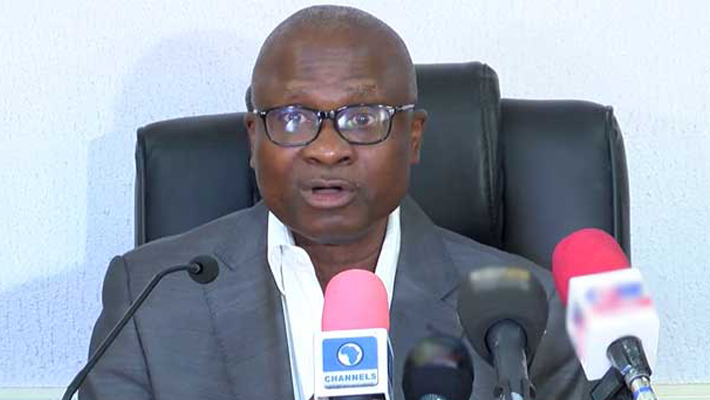
NCDC tightens Ebola surveillance in Nigeria
NCDC says travellers from countries with active or relevant Ebola transmission may need Health Declaration Forms under enhanced surveillance measures.
Abuja
EFCC chair Olukoyede meets LG chairs, traditional rulers over corruption
EFCC tells council chairs and traditional rulers in Nigeria that anti-corruption enforcement would penetrate the grassroots to bring development closer to the people.


