

Katsina recorded 536,132 out-of-school children: Report
![Almajiri children used to tell the story. [PHOTO CREDIT: The Guardian Nigeria]](https://gazettengr.com/wp-content/uploads/Almajiri-children.jpg)
Katsina has recorded no fewer than 536,132 out-of-school children, Universal Basic Education Commission (UBEC) statistics said.
Muntaka Mukhtar, education specialist, United Nations Children’s Fund (UNICEF), Kano field office, disclosed this at a media dialogue on Girl’s Education Project (GEP-3), organised for journalists drawn from Abuja, Kano and Katsina States.
He said that Nigeria was one of the five countries with a high rate of out-of-school children, adding that Katsina State recorded 536,132 out-of-school children in the country.
He said the identified gaps in equalising school attendance between boys and girls and common gender norms continue to put girls at a disadvantage, leading to school dropout at a higher rate.
According to him, the trend makes parents prioritise boys’ education over girls and encourage child marriage.
“Every day, girls face barriers to education caused by poverty, cultural norms, poor infrastructure, violence and fragility.
“On prioritising education for girls, better educated women tend to be more informed about nutrition and health, have fewer children and marry at a later age.
“Educated girls are better equipped to become healthier, more prosperous adults, with smaller families and children who are less at risk of illness and death and more likely to succeed,” he said.
On empowerment, Mr Mukhtar said women with primary education earned between 14 and 19 per cent higher than those with no education while those with secondary education earned twice more.
“Child marriage and early childbearing virtually eliminate child marriage and hold the potential to reduce by 75 per cent the risk of early childbearing for women.
“Health, nutrition, and well-being increase women’s knowledge of HIV/AIDS and also empower them to make decisions about their own healthcare.
“It also improves their sense of psychological well being, reduces the risk of partner violence, under-five mortality and malnutrition among children,” he said.
(NAN)

We have recently deactivated our website's comment provider in favour of other channels of distribution and commentary. We encourage you to join the conversation on our stories via our Facebook, Twitter and other social media pages.

More from Peoples Gazette

Agriculture
FG tasks ECOWAS on leveraging financing strategies for agroecology
The federal government has urged stakeholders in the agriculture and finance sectors in the West Africa region to leverage financing strategies to enhance agroecology practices

Politics
Katsina youths pledge to deliver over 2 million votes to Atiku
“Katsina State is Atiku’s political base because it is his second home.”
Lagos
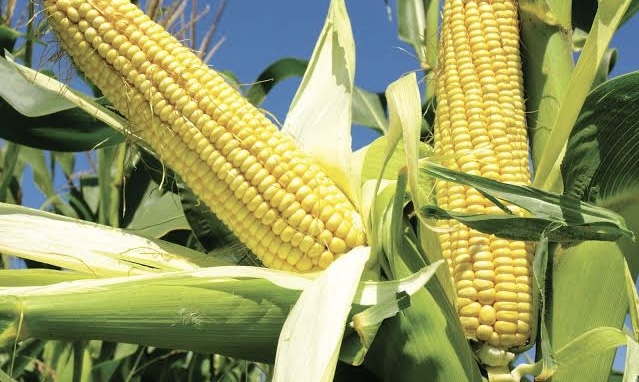
Lagos residents decry soaring corn prices
A corn trader, Justina Odion, blamed the high retail price on increased wholesale costs.

NationWide
Afam Okeke wins NBA general secretary election with 8,478 votes
The live results portal showed that a total of 82,167 voters were accredited for the general election held on Saturday.

States
Tinubu is pillar of my infrastructural development: Gov Sani
The governor said that the N1 trillion Light Rail Project will commence in the next two months.

States
Troops foil abduction of Borno female students
He said that the terrorists reportedly gained access to the facility with the assistance of suspected collaborators

Rights
Civil society organisations key to strengthening Nigeria’s democracy: CDHR
He said civil society organisations serve as a bridge between the government and the people.

NationWide
2027: Nigeria won’t drift into one-party state, says LP presidential candidate
Mr Okereke described the one-party state narrative as a mere political construct.


