

Kwara, partners unite to eliminate infectious diseases

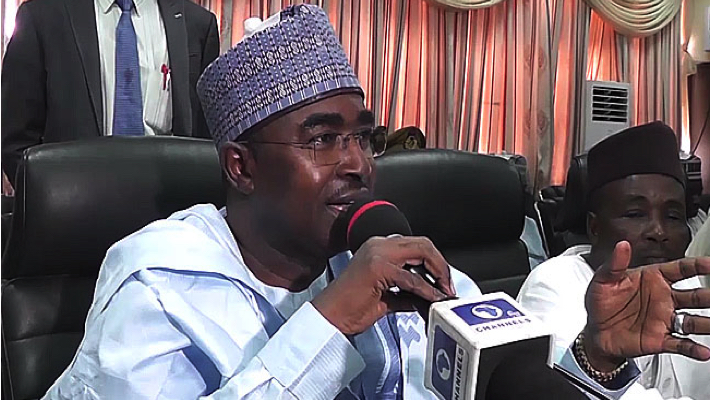
The Kwara government, in collaboration with the National AIDs, Viral Hepatitis and STIs Control Programme and development partners, on Wednesday, organised a one-day summit geared towards elimination of infectious diseases.
Some of the development partners are the Trinity Healthcare Foundation, Abbott and Clinton Health Access Initiative and World Health Organisation (WHO).
The Infectious Diseases Summit is themed: “Synergising Efforts to End Infectious Diseases: Strengthening Investment, Innovation and Collaboration Against HIV, Viral Hepatitis, Syphilis, and Malaria in Kwara State.”
In her address, Amina El-Imam, commissioner for bealth, highlighted the summit’s importance in facilitating collaborative problem-solving and strengthening partnerships for meaningful impact.
The commissioner who was represented by the permanent secretary in the ministry, Dr Abdullahi Taoheed, said infectious diseases such as HIV, viral hepatitis, syphilis, and malaria continue to pose serious challenges in the state.
She stated that the objective of the summit was to strengthen investment and explore innovative financing for disease elimination.
According to her, it will also help to foster innovation through showcasing research and technology that can accelerate progress.
“This summit will lead to enhancing collaboration and uniting government, civil society, private sector, and development partners in a common cause,” she said.
The commissioner commended the federal government and development partners for their commitment to improving health outcomes through innovation and partnership.
She also commended Gov AbdulRahman AbdulRazaq for making significant progress in combating these diseases and strengthening the health system.
She listed some of the achievements on healthcare in the state to include expansion of access to HIV services, increased testing, and prevention of mother-to-child transmission (PMTCT) coverage.
According to her, others are improved access to antiretroviral therapy across health facilities and also strengthening malaria control efforts, among others.
In his presentation, an expert in Haematology and Blood Transfusion, Sulaimon Akanmu of the College of Medicine, University of Lagos, emphasised on early detection of HIV/AIDs and commencement of treatment.
The expert emphasised the need for active case-finding to identify those with acute HIV infections, enabling early treatment commencement and better health outcomes.
“There is need to expand study, so that we can determine the true burden and incidence of infection,” he said.
He explained that the estimated population with the infection was less than one per cent which can contribute to 20 per cent infection rate in the country if they are not tested and begin treatment.
Mr Akanmu called for total commitment from the government and all stakeholders to achieve wider coverage in testing and treatment, enabling Nigeria to reach zero HIV/AIDS cases by 2030.
Khadijat Kamaldeen, the state epidemiologist, said Kwara faces risks from infectious diseases, noting that Congenital Syphilis remains a concern due to non-routine screening.
She noted that malaria remains a significant public health threat in Nigeria, particularly for vulnerable populations like pregnant women and children, who are disproportionately affected.
She, however, revealed that Kwara has made stride in control of malaria having recorded a decline and currently at six per cent.
She observed that though there is significant decline in new cases of HIV/AIDs infections, challenges such as stigma, poverty, gender inequality and weak infrastructure still persist.
Ms Kamaldeen urged enhanced surveillance and expanded prevention efforts, emphasising the need to address underlying social factors like poverty, education, stigma, and gender inequality.
(NAN)

We have recently deactivated our website's comment provider in favour of other channels of distribution and commentary. We encourage you to join the conversation on our stories via our Facebook, Twitter and other social media pages.

More from Peoples Gazette

States
Independence: NBA urges Nigerians to expect better future
The NBA said that ordinary Nigerians should be deriving benefit from the subsidy removal rather than hardship.

Agriculture
FG tasks ECOWAS on leveraging financing strategies for agroecology
The federal government has urged stakeholders in the agriculture and finance sectors in the West Africa region to leverage financing strategies to enhance agroecology practices

Politics
Katsina youths pledge to deliver over 2 million votes to Atiku
“Katsina State is Atiku’s political base because it is his second home.”

Africa
2027 AFCON: Tanzania, Kenya, Uganda plan joint visa for football fans
Kadaga said the proposed arrangement would enable fans to attend matches in different countries and visit tourist attractions.

Hot news Home top
NCC to block cloned, counterfeit phones from Nigerian mobile networks, registers 231 million devices
Mr Ogoh said the checks also apply to other SIM-enabled equipment, including tablets, modems and PoS terminals.

Education
FG assures NASU of continued dialogue on workers’ welfare
The minister urged NASU to sustain dialogue, collective bargaining and tripartite engagement as effective mechanisms for resolving industrial disputes.

States
Yobe govt. donates 160 motorcycles, operational equipment to forest guards
The SSG said the equipment also includes 900 raincoats, 900 rain boots, 900 blankets, 900 torchlights, and 900 mosquito nets.
Health
Marwa seeks provision for mental healthcare in government budgets
Mr Marwa said mental wellbeing cannot thrive where hopelessness and poverty drive people into harm.

Economy
Pension defaulters must pay penalties before getting clearance certificates: PenCom
The PenCom DG said recovery agents were examining employers’ records to establish outstanding liabilities and recover unpaid contributions.


