

Lagos signs MoU for green line mass transit

The Lagos state government has signed a Memorandum of Understanding (MoU) for the Green Line rail mass transit project expected to span the expanse of the Lekki corridor.
The commissioner for transportation, Oluwaseun Osiyemi, said this in a statement on Thursday in Lagos.
Mr Osiyemi was responding to the questions raised by the Lagos State House of Assembly committee on transportation led by Temitope Adewale, the chairman, during a courtesy visit of the committee to the ministry.
He said the addition of the Green Line to the existing Blue Line which had transported over two million passengers since inception and Red Line which would convey 750,000 passengers daily at its kick off.
This, he said, would significantly improve commuting within the state.
He added that the plan for the second phase of the Blue Line, Mile 2 to Okokomaiko was underway.
“The ministry is currently working on creating two interchanges to ensure the interconnectivity of the modes especially in areas where all of the available modes exist (road, water and rail).
“The interconnectivity of the modes was deliberate to ensure that there is no lacuna in the implementations of these plans,” he said.
On the areas of concern raised about the Lekki-Epe corridor and the impact of the refinery along the axis, the commissioner elaborated on the modality of the e-call up system.
He explained that seven trailer parks would be available to prevent trucks from loitering on the corridor.
Mr Osiyemi added that there would be a radio frequency identification to ensure compliance to the e-call up system as it would expose any truck not scheduled to be at the port or parks.
He said plans were underway to move containers via water on barges in the 10’s to further reduce the congestion on the corridor.
Also, the permanent secretary, Olawale Musa, described lack of data the number one hindrance to fully digitise enforcement.
Mr Musa decried that many motorists, especially commercial vehicles submit incorrect data to the government due to the use of agents to procure vital vehicular and driver documentation hence the continued use of physical enforcement.
He further stated that the ministry had prioritised training of its enforcement and traffic management officers to provide sanity on Lagos roads.
Mr Adewale, however, applauded the ministry for living up to its responsibility as the first on the T.H.E.M.E.S + Agenda.
He enjoined the ministry to provide a project status report to enable the assembly monitor and stay abreast of the plans of the ministry.
(NAN)

We have recently deactivated our website's comment provider in favour of other channels of distribution and commentary. We encourage you to join the conversation on our stories via our Facebook, Twitter and other social media pages.

More from Peoples Gazette

Agriculture
FG tasks ECOWAS on leveraging financing strategies for agroecology
The federal government has urged stakeholders in the agriculture and finance sectors in the West Africa region to leverage financing strategies to enhance agroecology practices

Politics
Katsina youths pledge to deliver over 2 million votes to Atiku
“Katsina State is Atiku’s political base because it is his second home.”

NationWide
Court grants ex-minister Uche Nnaji permission to travel abroad for treatment
The court fixed October 26 for continuation of the trial.
Africa
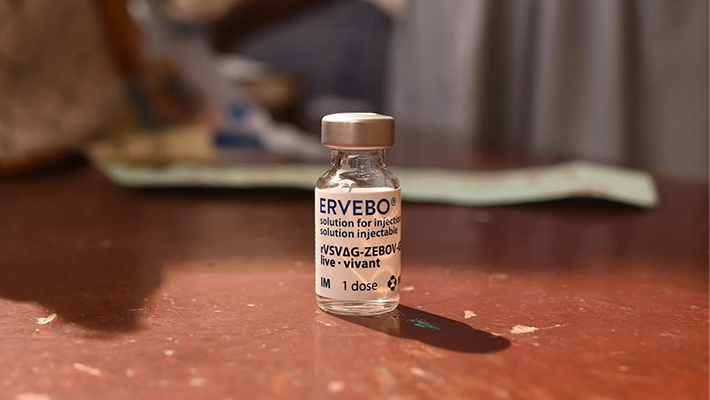
Ebola vaccine trial begins in DR Congo
The trial is aimed at improving understanding of how effective the vaccine is against the Ebola Bundibugyo virus.

World
Air Force officer charged over call for Trump’s impeachment
Mr Watson could face reprimand, reassignment, demotion, forfeiture of pay, extra duties or restrictions, dishonourable discharge, confinement and loss of benefits.

World
UN chief urges world leaders, citizens to invest in peace
The International Day of Peace is observed globally on September 21.

NationWide
JAMB reviews policy on SIM swap, email change
The new policy takes effect from September 21.
Agriculture
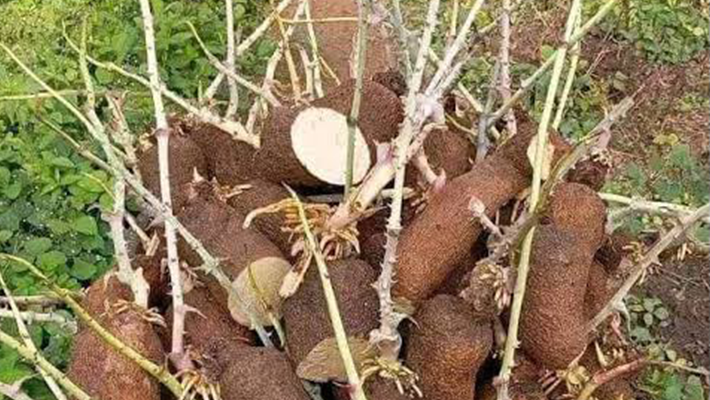
Certified seed could boost Nigeria’s yam productivity, exports, says UI don
Ms Balogun said using quality planting materials was critical to addressing low propagation rates, disease risks, and poor field establishment.


