


Lassa fever cases decreasing; fatality rate high, says NCDC
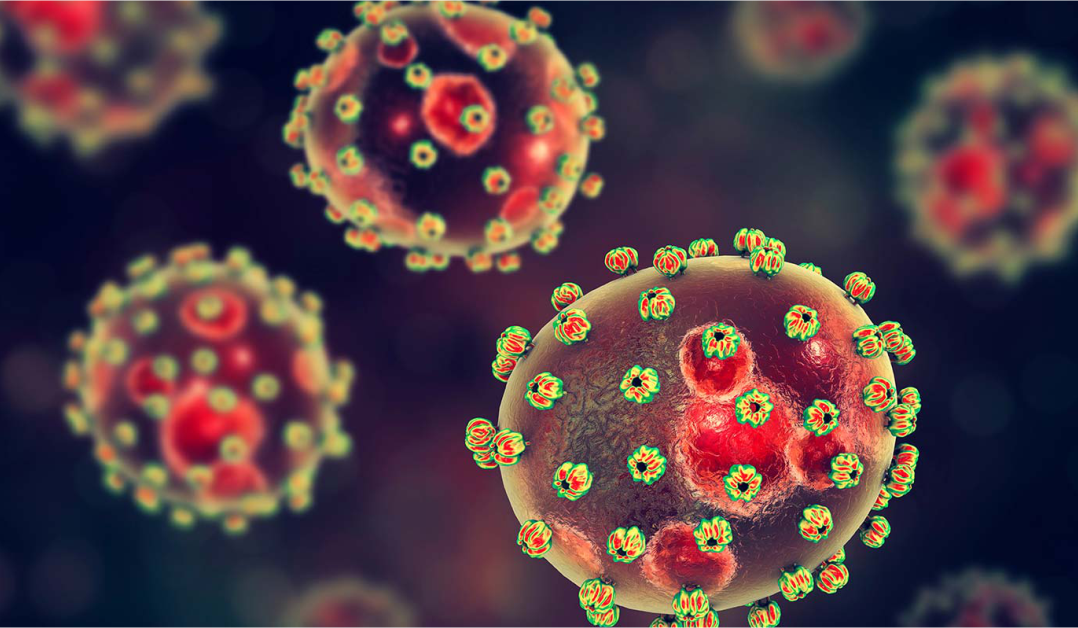
Nigeria is experiencing a decline in Lassa fever cases, but the fatality rate remains high, the Nigeria Centre for Disease Control (NCDC) said in a report.
The centre in the report said while the number of suspected and confirmed cases has decreased compared to the same period in 2024, the case fatality rate (CFR) remained high.
Specifically, the centre said 145 deaths were reported with a CFR of 18.6 per cent, compared to 17.6 per cent in 2024.
The decline in cases, the centre said, is a positive trend, but the persistent high fatality rate is a cause for concern among health experts.
The NCDC said cases fell from 11 in week 29 to three in week 30, recorded in Edo and Ondo states.
The agency said that cumulatively, Nigeria recorded 825 confirmed cases and 155 deaths across 21 states and 105 local government areas since the start of 2025.
The report also showed that 89 per cent of confirmed cases were concentrated in five states: Ondo, 32 per cent; Bauchi, 23 per cent; Edo, 17 per cent; Taraba, 14 per cent; and Ebonyi, 3 per cent.
The centre said that the most affected age group were between 21 and 30 years old, with a male-to-female ratio of 1:0.8.
The NCDC noted that while suspected and confirmed cases had decreased compared to last year, challenges persist, including late presentation at healthcare facilities, high treatment costs, poor environmental sanitation, and limited public awareness in high-burden communities.
It said response activities in the week included clinical management training, risk communication campaigns, rodent control programmes, distribution of thermometers for contact monitoring, and the deployment of rapid response teams to affected states.
The NCDC urged Nigerians to adopt preventive measures such as proper food storage, environmental hygiene, and early medical consultation to reduce the spread and severity of the disease.
Lassa fever is a viral haemorrhagic disease transmitted primarily through contact with the urine or faeces of infected rats.
It can also spread from person to person through bodily fluids, contaminated objects, or infected medical equipment.
Symptoms include fever, sore throat, headache, vomiting, muscle pain, and, in severe cases, bleeding from the body openings.
(NAN)

We have recently deactivated our website's comment provider in favour of other channels of distribution and commentary. We encourage you to join the conversation on our stories via our Facebook, Twitter and other social media pages.

More from Peoples Gazette

Agriculture
FG tasks ECOWAS on leveraging financing strategies for agroecology
The federal government has urged stakeholders in the agriculture and finance sectors in the West Africa region to leverage financing strategies to enhance agroecology practices

Politics
Katsina youths pledge to deliver over 2 million votes to Atiku
“Katsina State is Atiku’s political base because it is his second home.”

Diaspora
Consulate condemns alleged killing of Nigerian, Emeka Iroegbu, by South African metro police
The consulate said Mr Iroegbu, 50, was allegedly murdered on June 28 in Sunnyside, Pretoria, in the Gauteng province.

States
FG inaugurates N137 billion road projects in Borno
He stated that when completed, the roads would boost trade and agricultural activities and enhance the efficiency of security operations.
States
Katsina govt, COPMAN launch subsidised seeds for 1,000 cotton farmers
The initiative is designed to make quality cotton seeds affordable and encourage increased cotton production during the current farming season.

States
Police arrest suspect, recover stolen motorcycle in Bauchi
Mr Habib said the suspect confessed to stealing the motorcycle from Unguwar Kusu in the Yelwa area of Bauchi.

Economy
APC state chairmen hail Lekki Free Zone as model for industrial growth
He said it had become one of Nigeria’s greatest economic success stories.

Africa
WAHO harmonises 58 health training curricula across West Africa
The curricula are designed for health science teachers across ECOWAS member states to promote standardised training and strengthen the region’s health workforce.


