

Manufacturers seek suspension of NESREA’s proposed 80-micron plastics ban

The Manufacturers Association of Nigeria (MAN) has called for the suspension of the proposed ban on single-use plastics below 80 microns, pending a comprehensive regulatory impact assessment.
The director-general of MAN, Segun Ajayi-Kadir, made the call in a statement on Monday in Lagos.
The statement was in reaction to the proposed implementation of the National Environmental (Plastic Waste Control) Regulations 2026 by the National Environmental Standards and Regulations Enforcement Agency (NESREA).
The regulations seek to prohibit the production and use of single-use plastic products with a thickness below 80 microns, pursuant to Section 26(1).
The section imposes taxes on shopping bags with wall thicknesses ranging from 30 to 50 microns under Section 26(2) and restricts a wide range of plastic products listed in the Eleventh Schedule.
Mr Ajayi-Kadir said the proposed regulation by NESREA could disrupt industrial production, threaten jobs and impose significant socio-economic costs on manufacturers and consumers.
He stated that while the association supported efforts to tackle environmental pollution and promote sustainable waste management, it believed the proposed regulation was premature and lacked sufficient empirical justification.
Mr Ajayi-Kadir noted that the federal government, through the National Plastic Action Partnership (NPAP), had developed a Plastic Circularity Roadmap in 2024 to address plastic waste through improved collection systems.
“Recycling infrastructure, Extended Producer Responsibility (EPR) and circular economy initiatives.
“It is difficult to understand why the government is proceeding with a new prohibition regime without first evaluating the effectiveness of existing measures and implementing the agreed roadmap,” he said.
The MAN chief also noted the absence of publicly available assessments on the impact of previous restrictions on single-use plastics.
He said there was no evidence of the extent to which earlier measures had reduced environmental pollution, improved recycling performance, or changed consumer behaviour.
Mr Ajayi-Kadir cited experiences from countries such as Kenya, Bangladesh, South Africa and India, saying bans on thin plastic products had often produced limited environmental gains while imposing significant economic costs.
He added that countries including Germany, South Korea and the Netherlands had achieved higher recycling rates through strengthened EPR systems and investments in recycling infrastructure.
The MAN director-general said the plastics industry remained a major contributor to manufacturing, supporting numerous factories, small and medium enterprises, and value chains linked to packaging, food processing, pharmaceuticals, agriculture and logistics.
He warned that the proposed 80-micron threshold would require substantial adjustments in manufacturing processes and machinery, potentially rendering existing investments obsolete and increasing production costs.
According to him, the additional costs are likely to be passed on to consumers, small businesses, market traders, and food vendors who rely on affordable packaging materials.
Mr Ajayi-Kadir, however, expressed concerns that the regulation could increase dependence on imported alternatives, contrary to national objectives of industrialisation, job creation, import substitution and export diversification.
He maintained that plastic pollution was fundamentally a waste management challenge requiring improvements in collection, sorting, recycling and disposal systems.
“The problem lies not in the material itself but in inadequate waste management infrastructure and enforcement mechanisms,” he said.
The MAN DG therefore urged NESREA and the federal government to suspend implementation of the proposed ban pending a comprehensive regulatory impact assessment.
He also called for an independent evaluation of the environmental, economic, social, fiscal and employment implications of the regulation.
He further urged the government to fully implement the recommendations of the 2024 NNPAP Plastic Circularity Roadmap, strengthen the EPR framework and accelerate investments in recycling and waste collection infrastructure.
“MAN also advocates the establishment of a broad-based stakeholder working group comprising government agencies, manufacturers, recyclers, academia, consumer groups, environmental organisations and development partners,” he said.
He said Nigeria could achieve environmental sustainability while preserving industrial growth, employment and economic competitiveness through evidence-based policies and stronger waste management systems.
(NAN)

We have recently deactivated our website's comment provider in favour of other channels of distribution and commentary. We encourage you to join the conversation on our stories via our Facebook, Twitter and other social media pages.

More from Peoples Gazette

States
Independence: NBA urges Nigerians to expect better future
The NBA said that ordinary Nigerians should be deriving benefit from the subsidy removal rather than hardship.

Agriculture
FG tasks ECOWAS on leveraging financing strategies for agroecology
The federal government has urged stakeholders in the agriculture and finance sectors in the West Africa region to leverage financing strategies to enhance agroecology practices

Politics
Katsina youths pledge to deliver over 2 million votes to Atiku
“Katsina State is Atiku’s political base because it is his second home.”

Faith
Church chains Jesus’ statue to prevent another fall after killing Ecuadorian priest
This was captured in a viral video on social media showing the church taking the extra precaution by securing the crucifix with chains.

States
Ogun man arrested, arraigned for stealing iron rods
A 23-year-old man, Michael Gbadero, stood before an Abeokuta Magistrates’ Court in Isabo on Monday, accused of stealing iron rods worth N460,000.
World
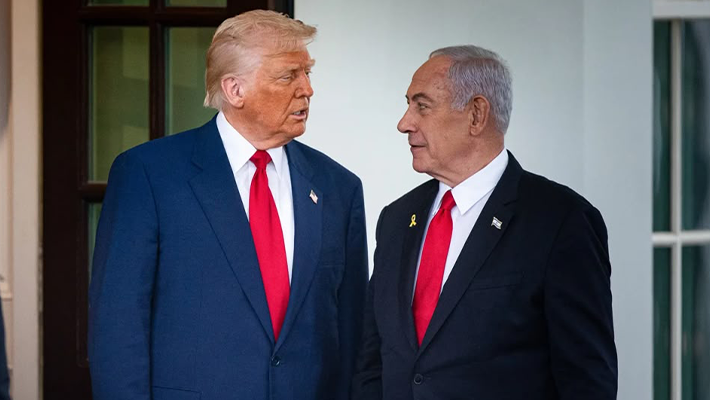
Trump endorses Netanyahu for re-election as Israel’s PM
President Donald Trump has endorsed the re-election bid of Prime Minister Benjamin Netanyahu, urging Israelis to vote for him.

World
World leaders react to Lula’s presidential election victory
World leaders on Monday congratulated Brazil President Luiz Lula da Silva for his victory in Sunday’s presidential election runoff.
![Governor Sheriff Oborevwori [Photo: Facebook Sheriff]](https://gazettengr.com/wp-content/uploads/Governor-Sheriff-Oborevwori-Photo-Facebook-Sheriff-1.png)
States
Delta govt mourns mother of WTO director-general
Governor Sheriff Oborevwori has commiserated with the Okonjo family of Ogwashi-Uku, Aniocha South council area, over the death of their matriarch, Kamene Okonjo.

Health
Nigeria no longer has Ebola, says WHO
WHO’s regional director for Africa says Nigeria is Ebola-free following the medical evacuation of the patient and her husband to Switzerland.


