

Media crucial to ending scourge of maternal, child deaths in Africa: WHO

The World Health Organisation (WHO) has urged African media professionals to use their platforms to break the silence surrounding maternal, child, and adolescent deaths, describing them as a “silent scourge” that has persisted for too long.
Adelheid Onyango, director of Universal Health Coverage and Healthier Populations at the WHO regional office for Africa, made the call on Thursday, during a virtual media dialogue on women’s, children’s, and adolescents’ health.
Ms Onyango said the loss of women and children to preventable causes had become so frequent that many communities now viewed it as normal.
“It is a silent scourge. It has been happening for so long that we’ve gotten used to it. One death of a woman in childbirth is too many. One child who dies is too many,” she said.
She noted that the silence had allowed maternal and child mortality to persist without the sense of urgency it deserved, while health budgets are shrinking, with priorities shifting toward other sectors such as security.
“Funds that are being cut from health programmes are going into security. Our priorities are changing, and women’s, children’s and adolescents’ lives, human life itself, are becoming less of an issue,” she said.
The WHO official explained that the media remained one of the most influential forces in shaping public perception and policy response to health priorities.
“For women’s, children’s, and adolescents’ health, sustained and accurate media attention can raise awareness, drive public discourse, influence decision-makers, and ultimately contribute to better health outcomes,” she said.
She observed that coverage of these issues was often sporadic, overly technical, or limited to isolated events, missing opportunities to connect health outcomes to wider social, economic, and human rights contexts.
“Motivating the media involves demonstrating the relevance of these health issues to the communities they serve and showing how powerful storytelling can influence both policy and cultural change,” she added.
She said the webinar aimed to bridge the knowledge gap and strengthen connections between journalists and credible health sources to foster consistent, evidence-based reporting.
According to her, Africa continues to account for two out of every three maternal deaths globally, while millions of children under five die annually from preventable causes.
She said empowering journalists to report these realities could help build public demand for accountability and investment in primary healthcare systems.
(NAN)

We have recently deactivated our website's comment provider in favour of other channels of distribution and commentary. We encourage you to join the conversation on our stories via our Facebook, Twitter and other social media pages.

More from Peoples Gazette

States
Independence: NBA urges Nigerians to expect better future
The NBA said that ordinary Nigerians should be deriving benefit from the subsidy removal rather than hardship.

Agriculture
FG tasks ECOWAS on leveraging financing strategies for agroecology
The federal government has urged stakeholders in the agriculture and finance sectors in the West Africa region to leverage financing strategies to enhance agroecology practices

Politics
Katsina youths pledge to deliver over 2 million votes to Atiku
“Katsina State is Atiku’s political base because it is his second home.”

Hot news Home top
PSC dismisses three senior police officers, demotes 16 over misconduct
The commission also approved severe reprimands for 21 officers.
NationWide
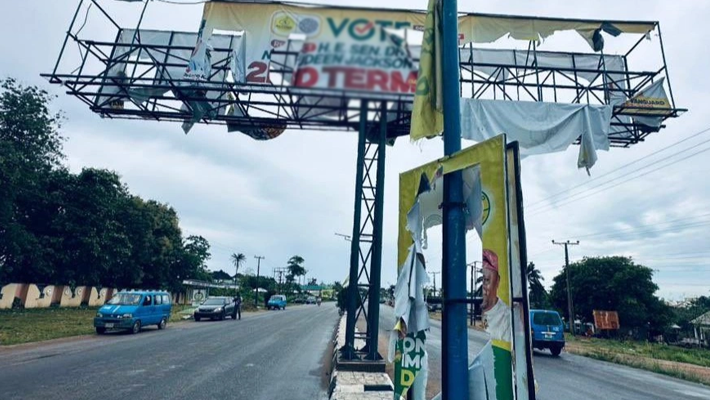
2027: Police caution political supporters against destroying campaign posters
The police urged those involved in the act to desist, warning that offenders would be arrested and prosecuted.
Health
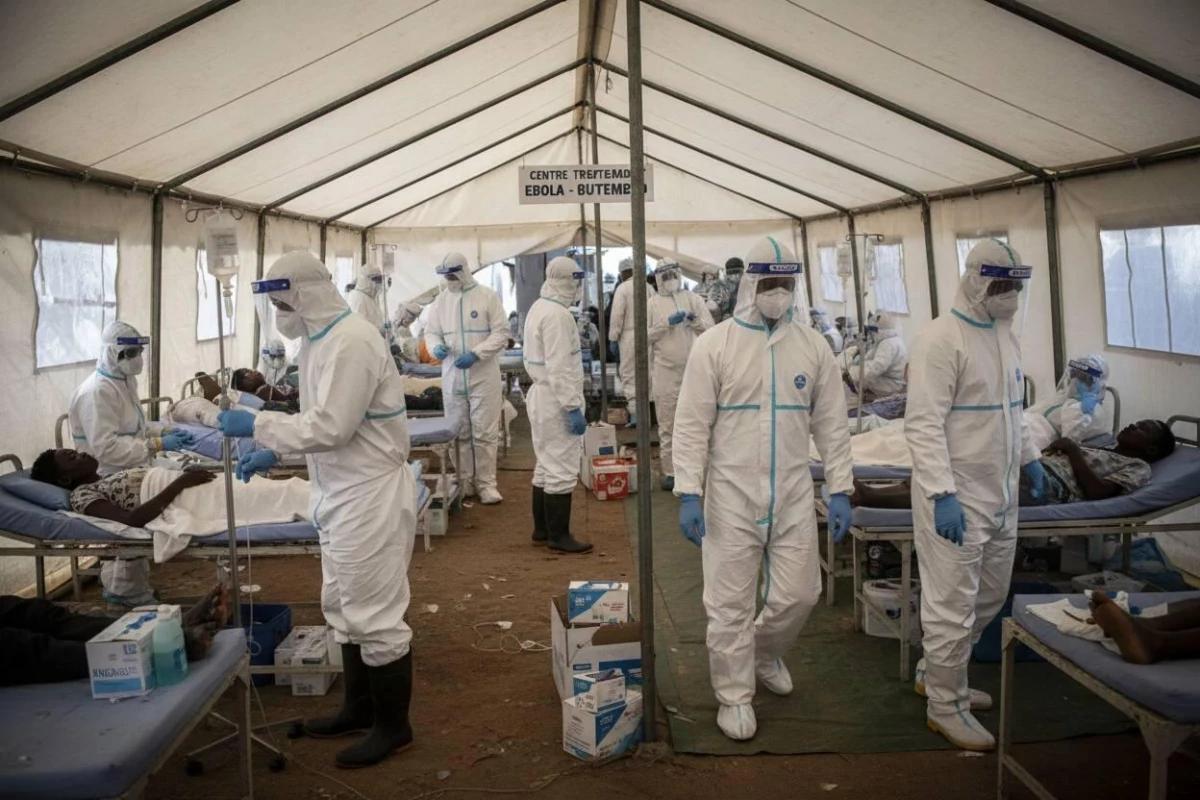
British man in DR Congo to be evacuated to UK after testing positive for Ebola
The UK government said this on Wednesday.
Heading 2
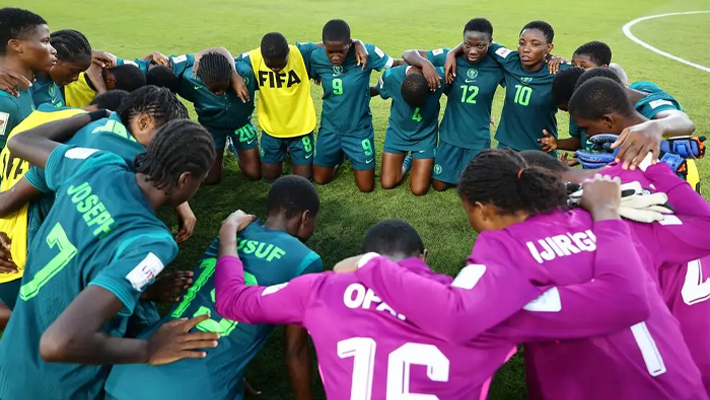
Nigeria’s Flamingos beat Brazil 3-1 to reach historic U-17 World Cup final
Japan will be playing in their second final.

Heading 4
JD Vance blames Israel, economy for Republicans’ midterm losses
Democrats now have 54 seats in the Senate, while Republicans’ seats dropped to 44.
Africa
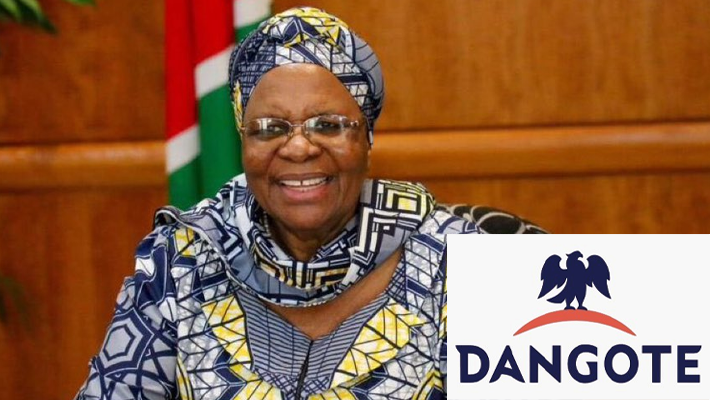
Namibia president declares Dangote’s $2.5 billion energy investment landmark for Africa’s industrial future
She described the occasion as the most memorable day of her presidency.


