

Menstrual Cups: All you need to know about new alternative to pads and tampons
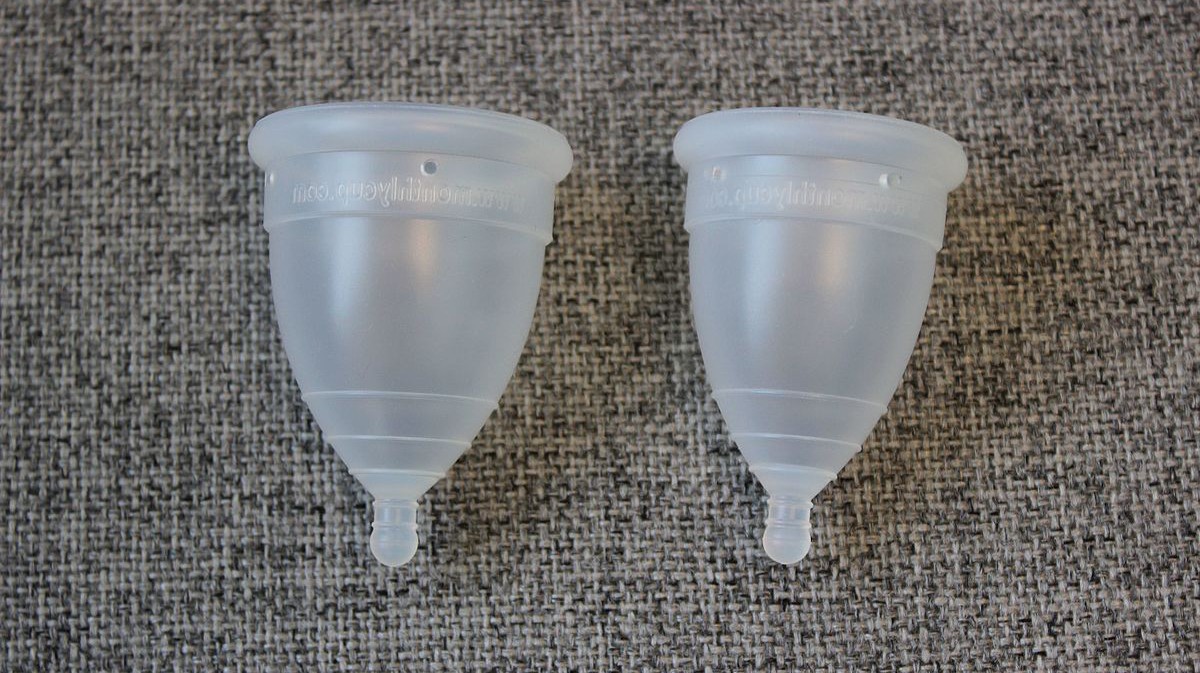
Women of reproductive age are faced with the challenge of containing the three to seven days of blood flow during their monthly menstrual cycle. Though a lot of ladies have adopted menstrual pads or tampons for their monthly periods, menstrual cups are now quickly gaining popularity as an alternative to pads and tampons.
Why is this?
The two major pros of using menstrual cups have been cost-effectiveness and comfort of use.
Conventional products such as sanitary pads and tampons are becoming very expensive, steadily going beyond the purchasing capacity of many women, especially women from low-income households.
Unable to buy these expensive products, they are forced to use other means to manage their cycles, such as using strips of cloth or more recently, reusable pads.
A single menstrual cup goes for as low as N4000, and due to the nature of its use saves months in pad purchases. The cups come in a range of sizes.
A number of brands make menstrual cups, they are typically bell-shaped and made of flexible, medical-grade silicone. Unlike pads and tampons, the cups do not absorb blood but simply collect it. This means it will need to be emptied about every 6–12 hours, depending on how heavy a woman’s flow is.
To make use of the cups, it will need to be folded and inserted into the vaginal canal. There are many options for how to do this and lots of online tutorials showing different folding styles on YouTube to practice folding and inserting the cup. Once inserted, It shouldn’t feel there is anything inside and it shouldn’t leak.
The cup is to be cleaned with gentle soap and warm water after each use. If it needs changing in a shared or public restroom, wet wipes can be used to clean the cups.
To address safety concerns on the use of menstrual cups, Peoples Gazette spoke with Onyinyechi Amarachi from Supreme Clinic, Abuja.
“It is safe. Most people are put off by it because they have to put their hands in their vaginas while inserting, but the important thing is that your hands have to be clean before insertion.
“With pads and tampons, you’re sitting on period blood and we all know that it can be messy especially for people with heavy flow who have to change more often, but with cups, you get a period of 12 hours before you discard contents of the cup, for people with heavier flow the time frame is eight to 10 hours. This is easier to deal with than pads or tampons generally and using the cup reduces the risk of toxic shock syndrome,” the expert offered.
Studies have shown that menstrual cups are safer for use than tampons and pads; Healthline outlines the pros of using cups over other menstrual products, allaying the fears of infections and toxic shock syndrome in proper use.
Also, sanitary pads and tampons come with a huge environmental impact; a single sanitary pad takes between 500 to 800 years to decompose as it contains 2.4 grams of plastic. Most women are expected to menstruate for close to 40 years, between five to seven days a month.
One woman in her active menstrual period disposes of 11,000 menstrual products; that is a total of 26.4 kg of plastic.
In 2019, National Geographic released a report on how the plastic contained in pads and tampons is unsustainable for the planet.
The report noted that “In 2018 alone, people in the U.S. bought 5.8 billion tampons, and over the course of a lifetime, a single menstruator will use somewhere between 5 and 15 thousand pads and tampons, the vast majority of which will wind up in landfills as plastic waste.”
Though the report recommended using non-single use products like menstrual cups and reusable pads to reduce the strain on the environment, it all comes down to preference, some women like cups because they don’t have to change them as often as other products and because they’re reusable, while others don’t.

We have recently deactivated our website's comment provider in favour of other channels of distribution and commentary. We encourage you to join the conversation on our stories via our Facebook, Twitter and other social media pages.

More from Peoples Gazette

Agriculture
FG tasks ECOWAS on leveraging financing strategies for agroecology
The federal government has urged stakeholders in the agriculture and finance sectors in the West Africa region to leverage financing strategies to enhance agroecology practices

Politics
Katsina youths pledge to deliver over 2 million votes to Atiku
“Katsina State is Atiku’s political base because it is his second home.”

States
Bauchi police arrest two suspects for alleged sexual assault
Police arrested two suspects for alleged criminal intimidation and sexual assault of minors in Lanzai District, Bauchi State.

States
Ogun transport union chairman, Iyeru, is dead
Iyeru died on Saturday at his residence in Ogun State.

States
Troops arrest suspected kidnapper in Edo
Troops of Operation Wabaigigan arrested a suspected kidnapper in Ikpoba-Okha Local Government Area of Edo State.

World
Death toll from Philippines ferry fire rises to 76
Ms Cayabyab said the toll wasn’t final, noting it could still increase because 13 passengers could not be accounted for.

Heading 4
I dumped Peter Obi for SDP because he lacks courage, says Isa El-Buba
“When a leader loses that one thing, you lose me,” Mr El-Buba said when asked why he dumped Mr Obi to endorse the SDP candidate.

Heading 2
Russia launched nearly 500 drones, missiles at Ukraine in one day: Zelenskyy
Mr Zelenskyy said Russia continues to target Ukraine’s economy and destroy facilities that help people withstand conditions of war.


