

Millions of Nigerians too poor under Buhari, using ‘dangerous strategies’ to cope with poverty: World Bank
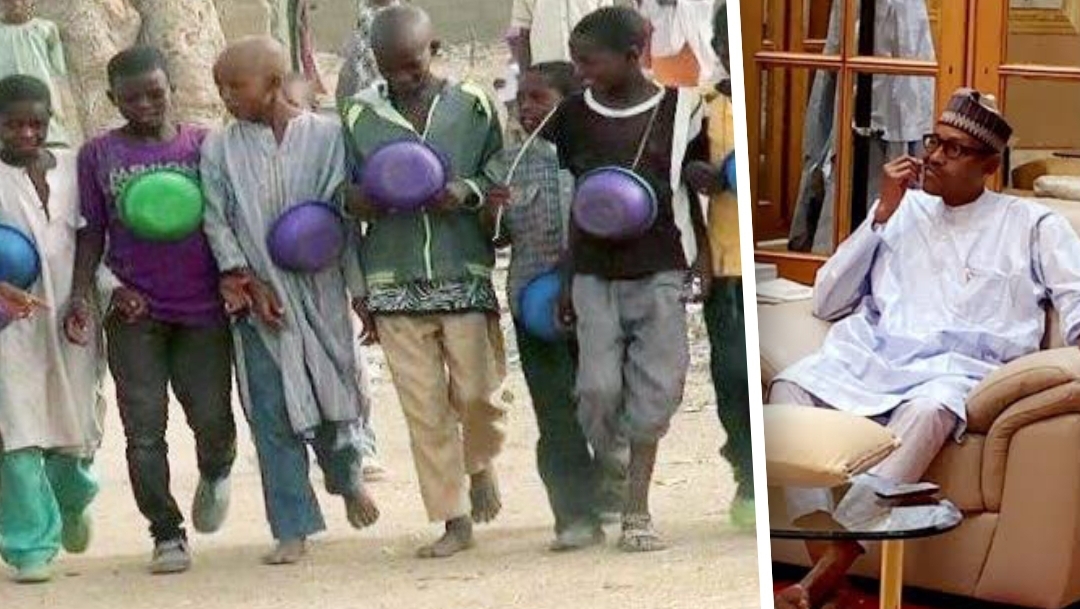
Deep Structural Reforms Guided by Evidence Are Urgently Needed to Lift Millions of Nigerians Out of Poverty, says New World Bank Report
Sluggish growth, low human capital, labor market weaknesses, and exposure to shocks are holding Nigeria’s poverty reduction back says a new World Bank report “A Better Future for All Nigerians: Nigeria Poverty Assessment 2022”. The report represents the culmination of the World Bank’s engagement on poverty- and inequality-relevant data and analytics in Nigeria in the past two years. It draws primarily on the 2018/19 Nigerian Living Standards Survey (NLSS), which provided Nigeria’s first official poverty numbers in almost a decade, as well as the Nigeria COVID-19 National Longitudinal Phone Survey (NLPS). These surveys were implemented by Nigeria’s National Bureau of Statistics (NBS) in collaboration with the World Bank.
According to the report, which brings together the latest evidence on the profile and drivers of poverty in Nigeria, as many as 4 in 10 Nigerians live below the national poverty line. Many Nigerians – especially in the country’s north – also lack education and access to basic infrastructure, such as electricity, safe drinking water, and improved sanitation. The report further notes that jobs do not translate Nigerians’ hard work into an exit from poverty, as most workers are engaged in small-scale household farm and non-farm enterprises; just 17 percent of Nigerian workers hold the wage jobs best able to lift people out of poverty.
The report adds that climate and conflict shocks – which disproportionately affect Nigeria’s poor – are multiplying, and their effects have been compounded by COVID-19; yet government support for households is scant. Households have adopted dangerous coping strategies, including reducing education and scaling back food consumption, which could have negative long-run consequences for their human capital. These issues affect some parts of Nigeria more than others; the report captures this spatial inequality by providing statistics at the state level, which is crucial given Nigeria’s federal structure.
“It is clear that much needs to be done to help lift millions of Nigerians out of poverty, including boosting health and education, bolstering productive jobs, and expanding social protection” said Shubham Chaudhuri, World Bank Country Director for Nigeria. “Yet implementing pro-poor initiatives requires unlocking fiscal space; reforming expensive subsidies – including fuel subsidies – will be essential, alongside countervailing measures to protect the poor as reforms are effected.”
The report suggests at least three types of deep, long-term reforms to foster and sustain pro-poor growth and raise Nigerians out of poverty. These include: (1) macroeconomic reforms (including fiscal, trade, and exchange rate policy); (2) policies to boost the productivity of farm and non-farm household enterprises; and (3) improving access to electricity, water, and sanitation while bolstering information and communication technologies. These reforms together could help diversify the economy, invigorate structural transformation, create good, productive jobs, and support social protection programs as well as other redistributive government policies. The report emphasizes that these reforms are urgent as Nigeria’s population continues to grow; now is the time to ensure that the country seizes the promise of its young people for economic prosperity. It adds that shaping the specifics of Nigeria’s poverty-reducing policies will depend strongly on redoubling efforts to gather and analyze data regularly.
“Conflict is spreading and intensifying across Nigeria, so it is important to implement programs to support poor and vulnerable Nigerians that are simple and flexible while also limiting the risk of exacerbating fragility and conflict,” said Tara Vishwanath World Bank Lead Economist and co-author of the report. “Data can provide vital guidance on how to design, monitor, and evaluate pro-poor projects and programs, giving a voice to poor and vulnerable Nigerians” added Jonathan Lain, World Bank Economist and co-author of the report.
New official household survey data, due to be collected later in 2022, will provide far more detailed insights into the dynamics of and the key constraints on poverty reduction, as well as new pro-poor policies. By investing in data, Nigeria can build trust, accountability, and transparency, taking substantial strides on its pathway to poverty reduction.

We have recently deactivated our website's comment provider in favour of other channels of distribution and commentary. We encourage you to join the conversation on our stories via our Facebook, Twitter and other social media pages.

More from Peoples Gazette

States
Independence: NBA urges Nigerians to expect better future
The NBA said that ordinary Nigerians should be deriving benefit from the subsidy removal rather than hardship.

Agriculture
FG tasks ECOWAS on leveraging financing strategies for agroecology
The federal government has urged stakeholders in the agriculture and finance sectors in the West Africa region to leverage financing strategies to enhance agroecology practices

Politics
Katsina youths pledge to deliver over 2 million votes to Atiku
“Katsina State is Atiku’s political base because it is his second home.”

Heading 5
NAFDAC raids Aba market, seizes fake packaging materials worth N200 million
NAFDAC stated that an invitation had been extended to the market union chairman.

States
Osun police nab man for allegedly defiling 15-year-old girl
Mr Ojelabi explained that the suspect used his closeness to the family to perpetrate the act.

States
Troops nab five ISWAP collaborators, rescue kidnap victim
The report that the suspects and recovered items were in military custody for further investigation.
NationWide
2027: Tinubu goofs, addresses himself as governor seeking second term
The president’s gaffe is reminiscent of his several campaign outings in 2022 and 2023.

Anti-Corruption
Lagos court jails Facebook impersonator three years over $135,000 fraud
Mr James allegedly scammed him under the guise of foreign exchange scheme.
NationWide
2027: Tinubu to attend few selected campaign rallies
Mr Tinubu noted that he would not be distracted from giving his best as president.


