

Mobile AI assistant makes Nigerian trading apps smarter in 2025

In 2025, Nigeria’s fast-growing fintech ecosystem is taking another leap forward as mobile AI assistants transform the way users interact with trading platforms. These intelligent assistants are not just helping traders with technical data, they are now offering real-time insights, adaptive learning, and voice-enabled execution capabilities that align with the unique needs of Nigerian traders.
From Lagos to Abuja, the mobile trading revolution is being redefined with AI-powered intelligence that’s tailored to the local market. This shift isn’t just about technology; it’s about making complex trading tools more accessible, smarter, and responsive for everyday users.
AI and the Evolution of the Nigerian Trading App
In the past, many Nigerian traders relied on desktop-based platforms or manually updated charts to make decisions. But today, the modern trading app has become the go-to platform for retail investors, crypto traders, and even forex enthusiasts across Nigeria. The integration of AI assistants into these apps is revolutionising how users manage portfolios and read market signals.
AI-driven tools inside mobile apps can now analyse market news, suggest trade ideas, and even predict potential reversals or breakout levels. These assistants operate 24/7, learning from a trader’s history and offering tailored tips that match trading style and goals. It’s not just automation, it’s personalisation backed by machine learning.
Why Nigerians Are Embracing AI-Powered Apps
There are several reasons why the Nigerian market is welcoming these smart tools with open arms:
Accessibility and Affordability
Most traders in Nigeria operate via mobile due to the widespread use of smartphones and cheaper internet bundles. AI assistants make these apps more intuitive, helping users interpret charts, signals, and economic events without requiring prior experience. This lowers the barrier to entry and makes trading feasible for university students, young professionals, and even retirees.
Localised Insights
AI assistants are increasingly being trained on local data sets. They factor in Nigeria-specific economic events such as the Central Bank of Nigeria’s monetary policy updates, inflation data, or naira volatility when offering trade signals. This localised intelligence ensures users are not relying solely on global indicators that may not apply to Nigerian markets.
Real-Time Learning and Alerts
Instead of reading lengthy newsletters or waiting for webinars, Nigerian traders now get on-the-spot suggestions. AI can send push notifications based on personalised thresholds for example, if a trader only wants to be alerted when a currency pair crosses a certain level or when RSI crosses below 30.
Case Study: A Popular Trading Platform Adopts AI
One example is the HFM mobile trading app, which now includes smart features powered by AI. Traders can interact with a virtual assistant that helps with placing orders, managing risk, and receiving trade ideas. These tools are particularly helpful during high-impact events such as U.S. interest rate decisions or local inflation releases.
The app is also equipped with sentiment analysis capabilities that scan Twitter, financial news, and macroeconomic calendars to deliver a market bias. This allows traders to feel more confident about their strategy, especially when trading high-volatility pairs like USD/NGN or EUR/USD.
Benefits for the Nigerian Trader in 2025
The presence of AI assistants is not just a tech gimmick. It is a functional enhancement that improves:
● Decision-making speed: AI filters out noise and highlights relevant setups
● Risk management: Real-time alerts for over-leverage or stop-loss breaches
● Confidence for beginners: Step-by-step guides and educational prompts within the app
● Productivity: Voice-assisted trading reduces the need to tap through multiple screens
Are There Risks?
Like any AI system, these assistants are only as good as their training data. While they offer recommendations, final decisions still rest with the user. Nigerian traders must be aware of the risk of over-reliance. Education and awareness are key. Fortunately, most top platforms offering AI assistants are also investing in tutorials, webinars, and local community support.
Another concern is data privacy. As AI learns from individual trading behaviour, platforms must commit to transparent data practices and offer opt-in mechanisms for data usage. The rise of smart assistants should not come at the cost of user control or data protection.
The Future Outlook
As internet access and smartphone penetration increase across Nigeria, the reliance on mobile apps for financial activities will continue to rise. AI assistants will evolve further, soon incorporating voice commands in local languages, integrating with mobile money services, and offering predictive modeling based on regional economic trends.
Nigerian fintech developers are also showing interest in open-source AI models. This could lead to local AI innovation rather than complete dependence on Western APIs. Eventually, we might see AI tools built specifically for Nigeria’s equity market, government bonds, or even decentralised finance platforms.
Final Thoughts
AI-powered mobile tools are not a distant luxury, they are already reshaping the Nigerian trading landscape. As more traders shift toward intelligent platforms, the gap between novices and professionals narrows. What once required years of experience and hours of research can now be achieved with a few taps on an AI-enhanced trading app.
Whether you’re an active forex trader or just starting your journey in online investing, embracing smart assistants can make the learning curve smoother and your strategy more effective. Nigeria’s trading scene in 2025 is smarter, faster, and more localised than ever thanks to the AI revolution in your pocket.

We have recently deactivated our website's comment provider in favour of other channels of distribution and commentary. We encourage you to join the conversation on our stories via our Facebook, Twitter and other social media pages.

More from Peoples Gazette

States
Independence: NBA urges Nigerians to expect better future
The NBA said that ordinary Nigerians should be deriving benefit from the subsidy removal rather than hardship.

Agriculture
FG tasks ECOWAS on leveraging financing strategies for agroecology
The federal government has urged stakeholders in the agriculture and finance sectors in the West Africa region to leverage financing strategies to enhance agroecology practices

Politics
Katsina youths pledge to deliver over 2 million votes to Atiku
“Katsina State is Atiku’s political base because it is his second home.”
States
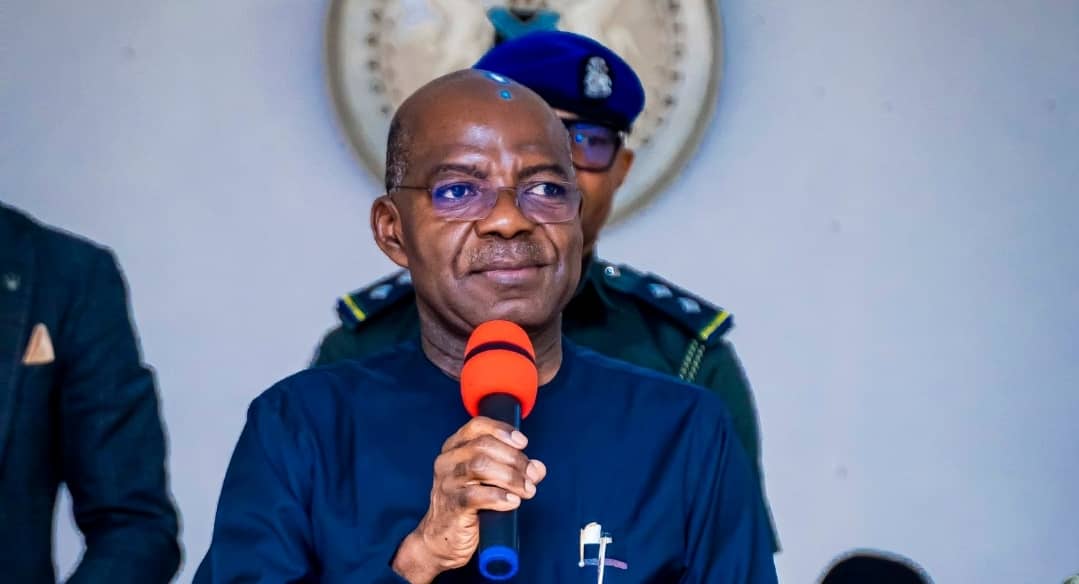
Otti advises Abia residents to reject election-season politicians’ promises
The bishop thanked God for giving Abia the opportunity to be governed by Mr Otti.

Heading 3
NiMet predicts three-day rain, sunshine nationwide from Monday
The agency also predicted cloudy skies with intervals of sunshine across the southern region.
States
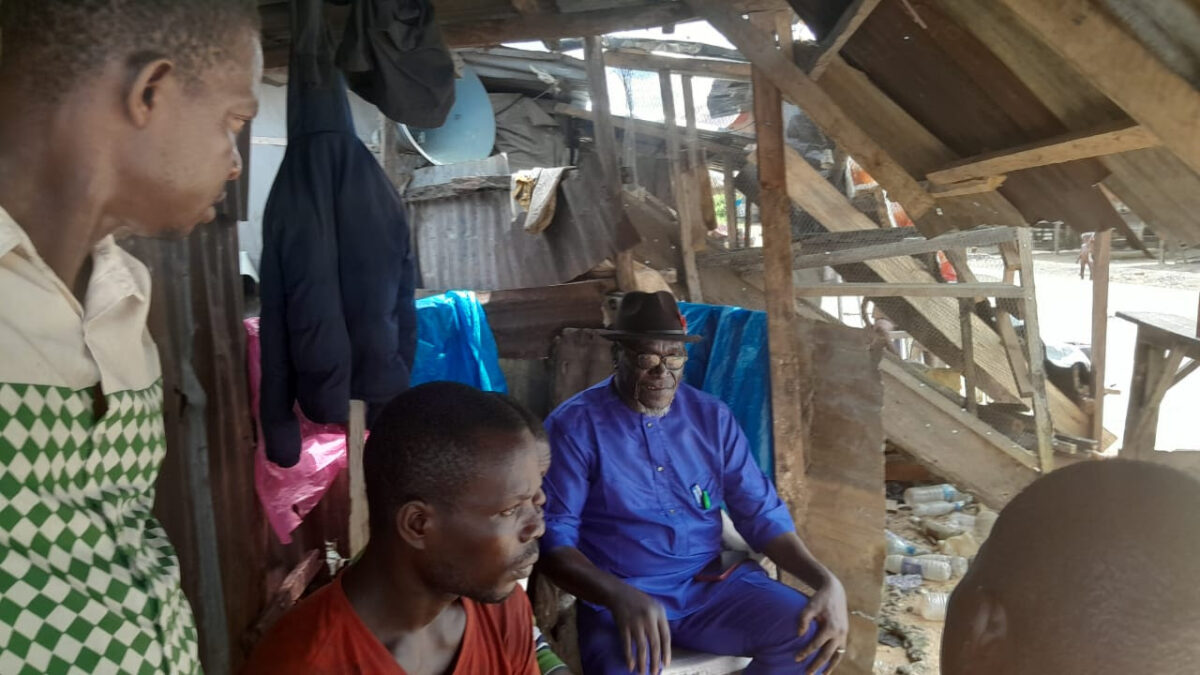
Environmentalists seek probe into Bayelsa, Rivers tremors
A fruit seller, Benita Douglas, said the vibration broke another trader’s table.

States
Coalition urges investment in girls’ education to end child marriage
Mr Ibn-Attahir said keeping girls in school was essential to ending child marriage.

Hot news Home top
FG condemns Houthi attack on Saudi Arabia’s airport, urges restraint
The ministry stressed the need to respect Saudi Arabia’s sovereignty and territorial integrity.

States
PDP governorship candidate vows free shops for traders affected by Enugu market demolition
Mr Nnaji described trading as an integral part of the people’s economic and social life.


