

More Nigerians suffering mental illness due to hardships: Psychiatrist

About 60 per cent of Nigerians are documented to be suffering significant mental illnesses, says Professor James Obindo. This, he said, is due to the visible hardships in the country.
Mr Obindo, the president of Association of Psychiatrists in Nigeria (APN), said this in an interview with reporters on Sunday in Abuja.
Mental health management became more critical globally within the last two years, largely due to the Coronavirus pandemic, which impacted negatively on the world’s socio-economic and governance order.
But in Nigeria, the pandemic made it more complicated, owing to what many experts described as consistent neglect of the mental healthcare sub-sector by successive administrations in the country.
For instance, even before the outbreak of the pandemic, statistics from the World Health Organisation (WHO) had indicated that, one in every four Nigerians, an average of 50 million people, were suffering from mental illness.
Mr Obindo said shortage of mental health workers has made the situation worse. He said there are fewer mental health workers such as psychiatrists, psychiatric nurses, psychologists and others, in the country, to treat and manage patients.
The expert psychiatrist noted that more than half of the number of mental health workers had been attracted to foreign countries.
“We don’t have enough mental health workers in the country and even the few that we have are all being attracted out of the country.
“We have less than 300 psychiatrists. The prescribed number is such that we should have nothing less than 1 to about 10,000 individuals.
“But what we have is 0.4 to about 10,000 individuals, four psychiatrists to 1 million Nigerians. The psychiatrist, psychiatric nurse, psychologist, social worker, as well as the occupational therapist, work as a team. Psychiatric hospitals are also few,” he lamented.
Mr Obindo noted that in addition to the current scarcity of fuel across the country, economic hardship, coupled with the level of insecurity, may likely inflict mental illness to more Nigerians.
“In the last few years, Nigerians have had to deal with issues like kidnapping, attacks and socio-economic downturns among others, and the recent fuel scarcity, forcing an individual to stay on queue for more than three hours to buy fuel even at exorbitant prices, is a major stressor for Nigerians, as stress is a major predisposing factor to mental illness.
“If one’s well-being is affected, such that an individual is not able to realise his potential or finds it difficult to work effectively or contribute to the society and be able to overcome normal stresses of life, then the person cannot be said to be mentally healthy.
“If you look at this and you compare it with what goes on in other climes, you will discover that we have a greater predisposition to developing mental illness,” he explained.

We have recently deactivated our website's comment provider in favour of other channels of distribution and commentary. We encourage you to join the conversation on our stories via our Facebook, Twitter and other social media pages.

More from Peoples Gazette

Agriculture
FG tasks ECOWAS on leveraging financing strategies for agroecology
The federal government has urged stakeholders in the agriculture and finance sectors in the West Africa region to leverage financing strategies to enhance agroecology practices

Politics
Katsina youths pledge to deliver over 2 million votes to Atiku
“Katsina State is Atiku’s political base because it is his second home.”

States
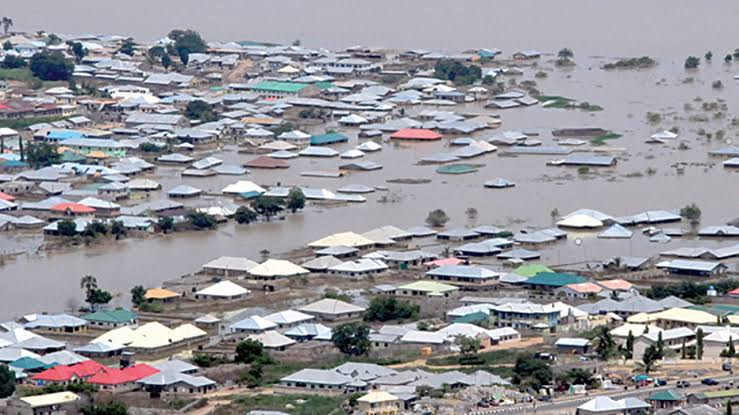
Flooding: Anambra, Ebonyi, Enugu place emergency response agencies on alert
He urged residents living in flood-prone areas to heed early warning messages.
NationWide
Flood Alert: NEMA urges residents in flood-prone areas to evacuate as rains intensify
Mrs Umar advised motorists and pedestrians against driving or walking through floodwaters.

NationWide
Shettima departs Abuja for ECOWAS summit in Freetown
The summit will focus on key policy decisions and strategic resolutions.
NationWide
NBC unveils new digital broadcasting rules
Mr Ebuebu said the commission had observed declining ethical standards in broadcasting.

Heading 3
POWA reaffirms commitment to members’ welfare
According to Mrs Disu, the invaluable role of police officers’ wives cannot be overemphasised.

States
N2 billion NPFL prize won’t fix Nigerian football, says Gara-Gombe
He lamented that Nigeria had only a few stadiums capable of meeting international standards.


