

Motorists, experts decry fuel stations’ failure to reflect Dangote price cut
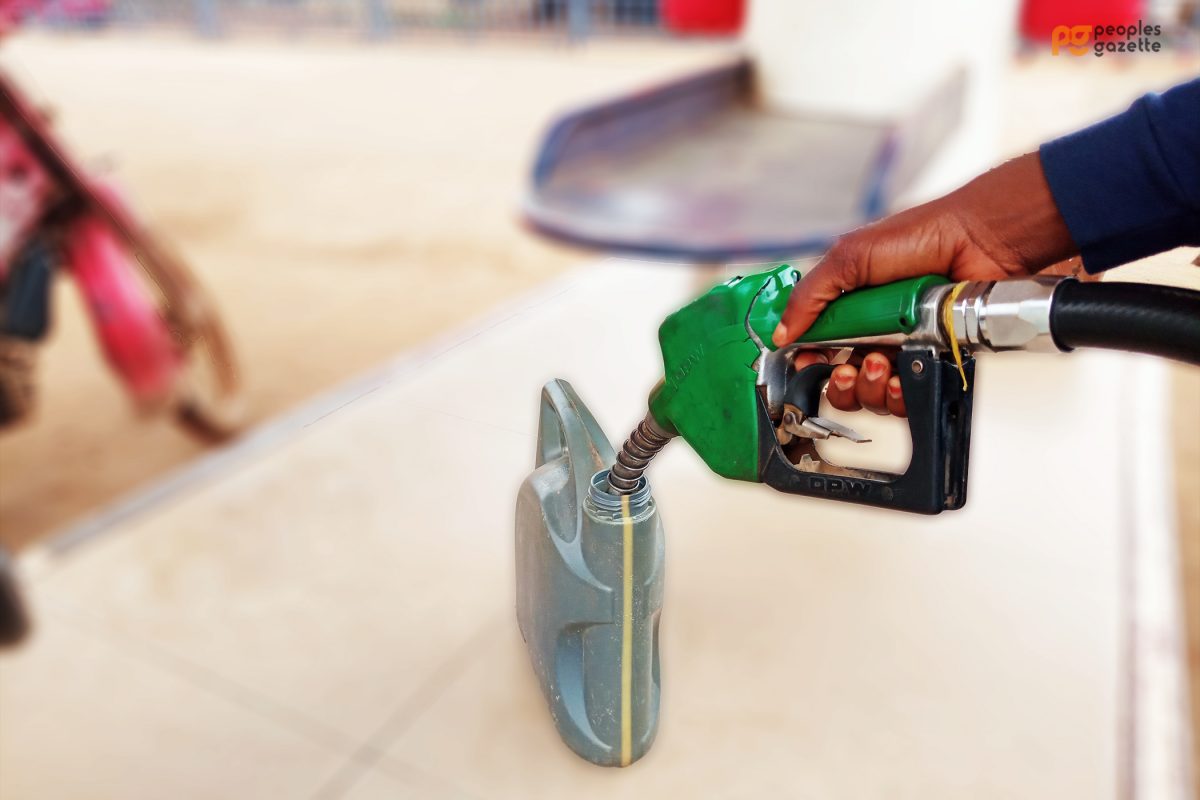
Motorists and other stakeholders in the Federal Capital Territory (FCT) have expressed concern that they are yet to feel the impact of the ₦35 reduction in the Dangote Refinery’s gantry price.
Dangote Refinery had cut its petrol gantry price to N1,215 per litre from N1,250 per litre, raising hopes of cheaper fuel for Nigerians.
Global crude oil prices fell near or below the $90-per-barrel mark, driven largely by easing geopolitical tensions between the U.S. and Iran.
Petrol prices at various filling stations still ranged between N1,385 per litre and N1,420 per litre.
Salbas retail outlet currently sold at N1,410, Rainoil retail outlet sold at N1,410, and Empire Energies retail outlet sold at N1,420.
Also, the MRS retail outlet sold at N1,385, the NNPC retail outlet sold at N1,325, AY Shafa retail outlet sold at N1,399 and the NIPCO retail outlet sold at N1,380.
Owei Lakemfa, the former secretary-general of the Organisation of African Trade Union Unity (OATUU), said reductions in petrol prices rarely translated into reductions in transportation fares and other consumer costs.
He said the government must protect Nigerians from unpredictable pricing practices by oil companies and major industry players.
According to him, proper planning and the availability of strategic petroleum reserves can help cushion the impact of supply disruptions.
“Such developments suggest underlying problems within the petroleum market and government should prioritise the interests of Nigerians over those of oil companies, industry players and market forces,” he said.
He noted that developed economies invest in reliable public transportation systems, including underground trains and railway networks, to reduce transportation costs for citizens.
“Businesses cannot plan effectively in an environment characterise by uncertainty and inconsistent policies.
“Nigeria’s recurring fuel and economic challenges reflect a broader leadership problem.
“The government should adopt long-term strategies that prioritise citizens’ welfare, energy security, affordable transportation and economic stability,” he said.
A public affairs analyst, Jide Ojo, urged Nigerians to look beyond government policies and hold independent petroleum marketers accountable for failing to reflect depot price reductions in their retail pump prices.
He said these had allowed some marketers to maximise profits at the expense of ordinary Nigerians.
Mr Ojo noted that government policies and prevailing global economic conditions played significant roles in determining fuel prices.
He expressed hope that diplomatic efforts would resolve the tensions, particularly the concerns surrounding the Strait of Hormuz, a critical global crude oil transportation route.
“We also appeal to independent petroleum marketers to reflect reductions in depot prices, particularly those announced by the Dangote Refinery, in their retail pump prices.
“We urge regulatory authorities to intensify monitoring and enforcement to ensure compliance with approved pricing practices,” he said.
Aliyu Ilias, an economist and public affairs analyst, called on the federal government to introduce measures to stabilise petrol prices in Nigeria, including a possible production-based fuel subsidy.
Mr Ilias said no company, organisation or country could achieve sustainable development without a reliable and predictable energy supply.
He said that frequent changes in petrol prices made economic forecasting difficult, adding that businesses could not plan their operations when they were uncertain about what fuel prices would be in the coming months or year.
He urged the federal government to consider a subsidy mechanism tied to production to promote price stability and restore confidence among businesses and consumers.
“The uncertainty over transportation costs reflects the wider challenges facing Nigerians and businesses across the country,” he said.
Mr Ilias said filling stations often increased pump prices immediately when the cost of a new fuel supply rose but were slower to reduce prices when supply costs fell.
He urged the regulatory authorities to ensure that filling stations adjusted their prices fairly and promptly in response to changes in supply costs.
A motorist who resides at Jikwoyi, Ishiaku Baba, expressed hope that the latest reduction in the refinery’s gantry price would translate into lower pump prices.
He expressed concern over the continued impact of high fuel costs on transportation, household expenses and businesses.
Benita Akwu, a motorist who resides in Bwari, urged marketers to significantly reduce petrol prices so the reduction could be reflected in transportation costs and other essential expenses.
Another motorist at Dutse, Thompson Abraham, urged marketers to reflect the recent reduction in their pump prices.
He said that lower petrol prices would also help reduce transportation costs, particularly for commercial operators who depend heavily on fuel.
Another motorist who resides at Gwarinpa, Julius Uzor, urged marketers to ensure that reductions in their procurement and operating costs were passed on to consumers.
Chinedu Ukadike, the national publicity secretary of the Independent Petroleum Marketers Association of Nigeria (IPMAN), said the adjustment would depend on when marketers received new supplies at the revised rates.
Mr Ukadike said refineries and marketers would need to review their pricing arrangements and remittances based on the new supply costs.
(NAN)

We have recently deactivated our website's comment provider in favour of other channels of distribution and commentary. We encourage you to join the conversation on our stories via our Facebook, Twitter and other social media pages.

More from Peoples Gazette

States
Independence: NBA urges Nigerians to expect better future
The NBA said that ordinary Nigerians should be deriving benefit from the subsidy removal rather than hardship.

Agriculture
FG tasks ECOWAS on leveraging financing strategies for agroecology
The federal government has urged stakeholders in the agriculture and finance sectors in the West Africa region to leverage financing strategies to enhance agroecology practices

Politics
Katsina youths pledge to deliver over 2 million votes to Atiku
“Katsina State is Atiku’s political base because it is his second home.”

NationWide
NLA urges governments to make libraries mental wellness hubs
NLA said libraries could promote mental health awareness by providing credible information, safe spaces and access to relevant support services.
World
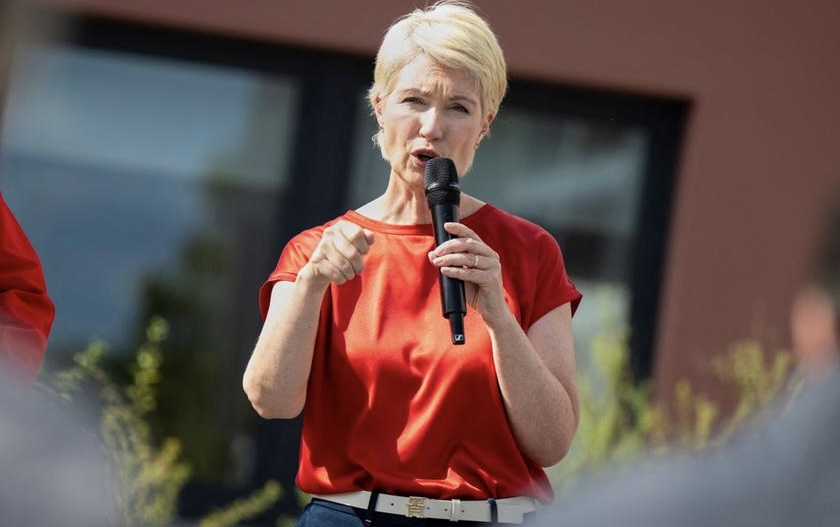
Schwesig re-elected as Mecklenburg-Vorpommern premier
Ms Schwesig, 52, who has led the state government since 2017, secured 39 votes in a secret ballot in the state parliament on Monday.
Abuja
Motorists, experts decry fuel stations’ failure to reflect Dangote price cut
Dangote Refinery had cut its petrol gantry price to N1,215 per litre from N1,250 per litre, raising hopes of cheaper fuel for Nigerians.
NationWide
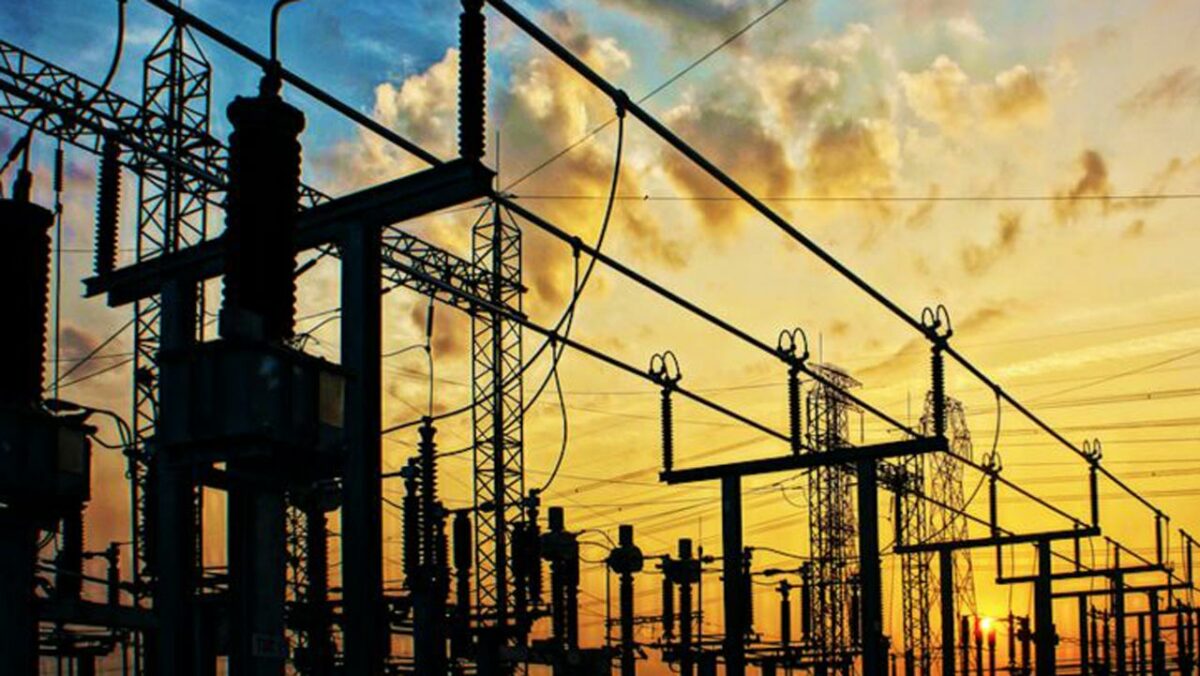
$2 billion investment will boost Nigeria’s power transmission: Expert
Mr Makinde said Nigeria remained energy-poor despite its large population and abundant natural resources.

Abuja
Wike directs campaign council to block ADC, NDC from securing 25% of FCT votes
Mr Wike dismissed assertions that the ADC held sway in northern states or stood a chance in the nation’s capital.

World
U.S. court rejects Lindsay Clancy’s bid to dismiss charges over children’s killings
Prosecutors alleged that Ms Clancy deliberately strangled her children with exercise bands while her husband, Patrick Clancy, was away from home.


