

NCIF pushes for sustainable financing to reduce deaths in Nigeria

The National Cancer Intervention Fund has called for sustainable and transparent financing mechanisms to reduce preventable cancer deaths in Nigeria.
Gafar Alawode, chairman of the NCIF Governing Council, made the call on Wednesday in Abuja, in an interview with journalists to commemorate World Cancer Day 2026.
According to the GLOBOCAN 2022 report, Nigeria records about 127,763 new cancer cases annually, with approximately 79,542 cancer-related deaths.
GLOBOCAN is an online database providing comprehensive, up-to-date estimates of cancer incidence and mortality across 185 countries for 36 cancer types.
Managed by the International Agency for Research on Cancer within the Global Cancer Observatory, it uses population-based cancer registry data to map the global cancer burden.
Breast, prostate, and cervical cancers remain the most common, while women account for a higher proportion of cases than men.
Mr Alawode noted that Nigeria’s high cancer mortality rate was largely driven by late presentation and financial barriers.
Mr Alawode added that studies show that up to 70 to 75 per cent of cancer patients in the country presented at advanced stages (Stages III and IV), when treatment outcomes were often poor.
He said that many cancer-related deaths were preventable with improved access to screening, early diagnosis, and timely treatment, supported by sustainable financing mechanisms.
According to Mr Alawode, NCIF remains committed to strengthening cancer prevention and control efforts by expanding access to affordable cancer services, particularly in prevention, screening, diagnosis, and treatment.
He added that sustainable financing was critical to removing financial barriers that prevented patients from accessing care, adding that no Nigerian should be denied lifesaving cancer treatment because of cost.
He called on government at all levels, healthcare providers, development partners, communities, and individuals to work together to address the growing cancer burden in the country.
According to him, a coordinated and inclusive response would help translate individual cancer experiences into collective action and build a future where quality cancer care is accessible to all Nigerians.
World Cancer Day is observed annually on February 4 to raise awareness, promote education, and encourage action to reduce the global cancer burden.
(NAN)

We have recently deactivated our website's comment provider in favour of other channels of distribution and commentary. We encourage you to join the conversation on our stories via our Facebook, Twitter and other social media pages.

More from Peoples Gazette

States
Independence: NBA urges Nigerians to expect better future
The NBA said that ordinary Nigerians should be deriving benefit from the subsidy removal rather than hardship.

Agriculture
FG tasks ECOWAS on leveraging financing strategies for agroecology
The federal government has urged stakeholders in the agriculture and finance sectors in the West Africa region to leverage financing strategies to enhance agroecology practices

Politics
Katsina youths pledge to deliver over 2 million votes to Atiku
“Katsina State is Atiku’s political base because it is his second home.”
Politics
2027: NDC to inaugurate presidential council October 20
The chairman said the party was taking time to make appropriate appointments to avoid disagreements that could disrupt its campaigns.

World
About one million without electricity after hurricane makes landfall in Florida
Isaias peaked as a category three hurricane, with heavy rain and powerful winds, but has since been downgraded.
Lagos
Lagos targets 3,000MW electricity supply by March 2027
Mr Sanwo-Olu said the initiative is part of efforts to end blackouts and build a 24-hour power economy in the state.
Politics
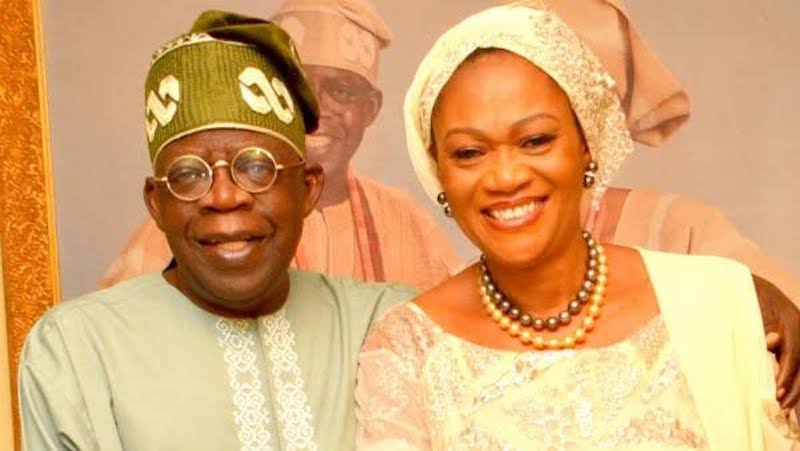
Nigeria at its best in 12 years; no govt has built infrastructure like my husband’s, says Remi Tinubu
Mrs Tinubu also cited the administration’s food support programme, saying it was designed to provide nutritious food for children.
States
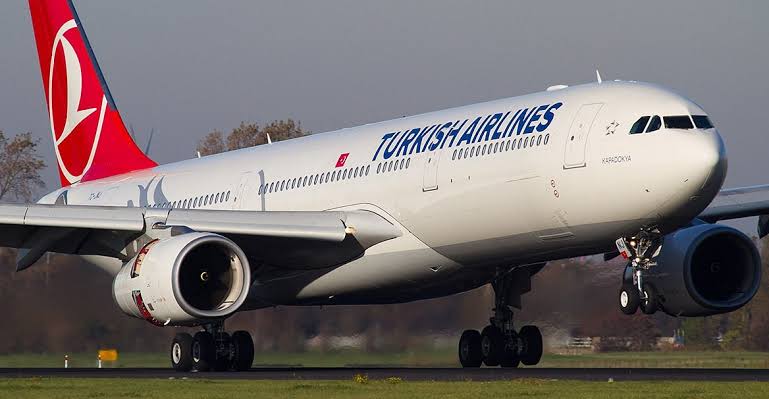
Turkish Airlines increases Lagos flights from seven to 10 weekly
The statement added that the increase was aimed at meeting the growing travel demand between Nigeria and Türkiye.
States
Gov Yusuf condoles victims of bandit attack in Kano
Mr Yusuf assured residents that the state government was intensifying efforts to strengthen security through collaboration with relevant security agencies.


