

Neuropsychiatrist blames rising rate of depression, suicide on social media
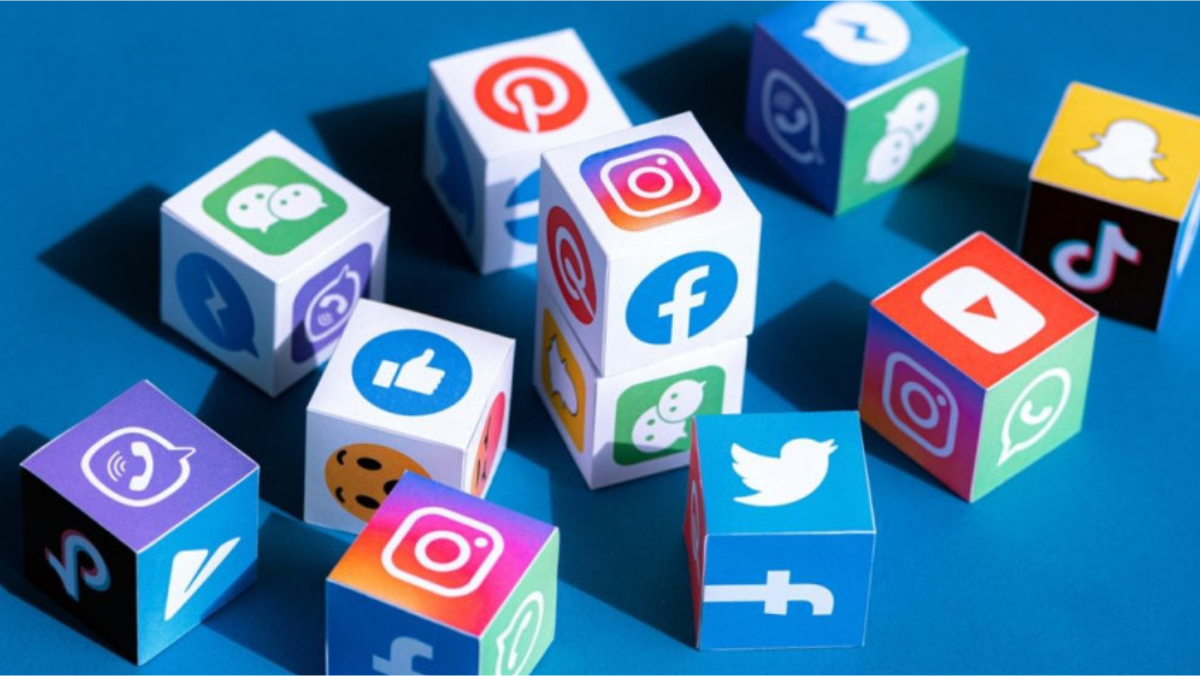
Maymunah Kadiri, a consultant neuropsychiatrist, on Sunday blamed the rising incidents of depression, suicide and some other mental health conditions on social media innovation.
Mr Kadiri said in an interview with journalists in Lagos that social media played a huge role in the incidents of suicide and depression, especially among youths.
According to her, other factors contributing to the incidents include environmental factors, relationship problems, life challenges and poor parenting.
“Social media gives us that picture of a perfect life, so people will want to be like those they see on the internet and also want to live perfect lives.
“It is so unfortunate because social media has no rules or regulations, so you cannot really curtail how people use social media and what direction they follow.
“Many youths, especially the idle ones, get carried away and what is being put up as a perfect picture or image out there puts them under a state of depression; there is that restlessness,” she said.
Ms Kadiri, therefore, called for massive education campaigns about social media and its possible effects.
She noted that such awareness/education programmes have become imperative to reduce the incidents of depression and suicide in the country.
Ms Kadiri said, “When you know better, you have to do better for yourself and society. We need to keep teaching society that not everything seen out there is real.”
She explained that through social media, people have known the easiest and fastest ways to commit suicide, so people are now more aware of social vices because of social media.
Ms Kadiri decried that many people had become addicted to phones and social media and could not spend a minute without picking up their phones to navigate the social media handles.
“To this set of people, everything they see on the internet is expected to be real, reliable and practicable.
“Unfortunately, not everything posted on social media is realistic; people exaggerate issues to suit their desire,” she said.
The neuropsychiatrist lamented that people spend too much time on social media, which, to a great extent, affects their mental health.
However, she said, “Social media is a good technological innovation, but it has been used by many people to exaggerate their strengths and achievements rather than a combination of strengths and weaknesses.”
(NAN)

We have recently deactivated our website's comment provider in favour of other channels of distribution and commentary. We encourage you to join the conversation on our stories via our Facebook, Twitter and other social media pages.

More from Peoples Gazette

States
Independence: NBA urges Nigerians to expect better future
The NBA said that ordinary Nigerians should be deriving benefit from the subsidy removal rather than hardship.

Agriculture
FG tasks ECOWAS on leveraging financing strategies for agroecology
The federal government has urged stakeholders in the agriculture and finance sectors in the West Africa region to leverage financing strategies to enhance agroecology practices

Politics
Katsina youths pledge to deliver over 2 million votes to Atiku
“Katsina State is Atiku’s political base because it is his second home.”

Heading 5
Catholic priest dies after Jesus’ statue falls on him during service
Mr Molinari was being live-streamed when the incident occurred on Saturday.
States
Kebbi governor’s aide empowers 400 residents in Zuru
Beneficiaries were given cash ranging from N10,000 to N20,000.
States
I’ve paid over N7 billion as compensation to property owners: Gov Sani
The governor commended the owners of the 865 affected households.

Heading 5
Lagos strengthens culture, youth engagement to boost creative economy
According to Mr Johnson, the government was encouraging young people to develop their creative skills.
States
Ogun FRSC commander dies after brief illness
He described Mr Ogunjobi’s death as a great loss to the corps.

Showbiz
Daddy Showkey, Peruzzi, others thrill fans at Felabration
Felabration is an annual cultural festival featuring musical performances, debates, dance, art and fashion.


