

Born on June 12 but failed by government, ‘democracy babies’ speak about life in Nigeria
Nigeria will on Friday observe another Democracy Day in commemoration of the historic and annulled June 12 1993 presidential election, widely considered the freest and fairest poll in the country’s electoral history, won by the late Moshood Kashimawo Olawale (MKO) Abiola.
Beyond being a defining moment in history when Nigerians trooped out to cast their votes devoid of ethnic and religious colouration, June 12 remains a metaphor of hope for Nigerians who desired genuine leadership and governance.
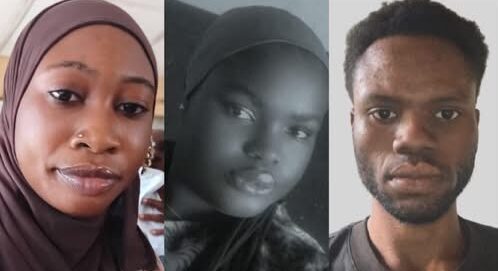
As June 12 continues to fuel the democratic inspirations of Nigerians, the Peoples Gazette spotlights some Nigerians born on this day from 1993 to1999, collating their thoughts on democracy and connection with the historic day as a birth day.
Abdullahi Abdulrahman
Mr Abdulrahman was born June 12, 1993. A graduate of Business Education from the Ahmadu Bello University. He hails from Kwara State.
Despite his birth coinciding with the Democracy Day, Mr Abdulrahman told The Gazette that Nigeria’s democracy had failed to deliver the country from the shackles of oppression, nepotism and bad governance.
“Nigeria for the past 20 years has been a mess. Ranging from nepotism, bad governance to insecurity. The system has completed failed the people as it benefits those in power who have continued to deploy it to enrich themselves and their generations,” he stated.
Noting that growing up in a democracy gave him hope that the country would someday be better, Mr Abdulrahman, however, argued that poverty and widespread insecurity further showed that democracy had failed him and millions of other compatriots.
He added, “Before now, I thought democracy would change our realities. But the poverty and insecurity showed that democracy has failed the people. Imagine a system of government that lacks tools to safeguard the lives of its citizens. The only song that comes out of an average Nigerian now is “we want to live”, and that is sad.”
Rofiyat Salawudeen
Also from Kwara State, Ms Salawudeen was born June 12, 1999. Currently a student at the Kwara State University of Education, Ms Raheemat’s connection to democracy is rooted in the way the system has allowed her and other eligible Nigerians to participate in electoral process freely and choose their leaders without any form of coercion.

Roheemat Salawudeen
Ms Salawudeen further expressed pride in being born the same day teeming Nigerians decided to break away from the military oppression. For her, democracy, despite its shortcomings, is a civic weapon at the disposal of citizens to change the country for the better with good leaders and responsible leaders in charge.
“I feel personally connected to democracy in Nigeria not only because it was the day I was born but also because it has enhanced political participation since the country’s return to civilian rule in 1999. Democratic governance has also provided citizens with opportunities to hold leaders accountable,” Ms Salawudeen told The Gazette.
She added that despite facing numerous challenges, democracy has allowed the country to witness regular elections, peaceful transfers of power between political parties and greater freedom of expression compared to periods of military rule.
Raheemat Alabi
Another Nigerian from Kwara, Ms Alabi was born June 12, 1993. She studied Physical and Health Education at the University of Ilorin and is passionate about gender inclusion and democratic governance.
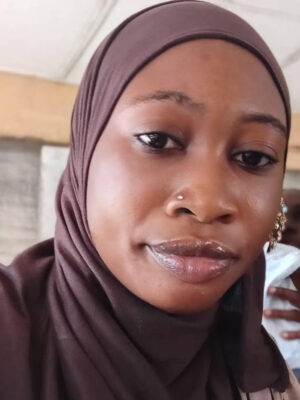
Ms Alabi said that every June 12 reminds her of the symbol of her birthday. However, she stated that democracy in Nigeria still faces serious challenges such as corruption, electoral irregularities, insecurity, banditry, kidnapping, terrorism, poverty, and inadequate public services.
According to her, the issues affect citizens’ confidence in government and limited the full benefits of democratic governance.
“While there have been notable gains in political stability, freedom of expression, and civic participation, many Nigerians believe that democracy has yet to deliver the level of security and economic development they expected,” Ms Alabi stated.
Noting that democracy had made some progress in the country, she reiterated that more efforts were required to strengthen institutions, promote accountability and ensure the safety and well-being of all citizens.
Aminu Yusuf
Mr Yusuf is a graduate of English and Literary Studies from the University of Abuja (now Yakubu Gowon University). Born June 12, 1993, Mr Yusuf hails from Nasarawa State.
He told The Gazette that democracy, however faulty in some ways, had to some extent benefited Nigerians, including deepening the extent at which they hold leaders to account.
“I am a ardent supporter of democratic governance,” Mr Yusuf said. “Apart from being born at a day Nigerians dared to change their destinies by means of ballot, I feel particularly connected to democracy because it gives me more leverage to air my perspectives about governance and hold leaders accountable. That freedom was criminalised under the military.”
However, he decried the rate which successive governmentsfailed to consolidate on the early gains of democracy, lauding the administrations of Olusegun Obasanjo and Umar Musa Yar’Adua for their efforts in ensuring democratic growth.
“Nigerians welcomed the return of civilian rule in 1999 with so much joy and hope. While former presidents Obasanjo and Musa Yar’adua did all they could to deepen democratic space, governments that came after then, especially under Buhari, Jonathan and now Bola Tinubu, had done little in ensuring genuine democratic growth,” Mr Yusuf stated.
Noting that the civic space was now shrinking, he argued that Nigerians continued to witness onslaught on human rights and media freedom, reminiscent of the military era.
Mr Yusuf said, “The fact that our elections are still marred by avoidable irregularities suggests another downside of democracy despite its role in deepening political participation. These problems must be urgently addressed for the country to realise its full potential.”
‘Seye Adojutelegan
Mr Adojutelegan hails from Ekiti State. Currently a postgraduate student at the University of Ilorin, Mr Adojutelegan is a graduate in English and Literary Studies. He was born on 12 June, 1999 and passionate about inclusive politics, sustainable governance and education.
Noting that he did not have any specific connection to democracy, Mr Adojutelegan expressed disappointment over the country’s state of affairs under successive civilian administrations.
“To be honest, the founding fathers, or should I say, our liberators, who fought and got us independence, though they have their shortcomings, will be sad at the state of the affair of the country’s democracy at the moment,” he stated.
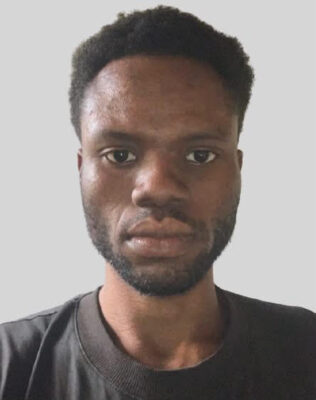
Mr Adojutelegan argued that for three years under President Bola Tinubu, Nigeria had slided into autocracy, noting the country had not at any point been truly democratic.
“The true signs of democracy should be genuine political and economic freedom for the people. There should also be equal opportunities for all. All these are missing in Nigeria today. As such, I feel no connection with democracy, to say the least,” he added
Umar Sani
From Kaduna State, Mr Sani, was born June 12, 1993. Driven by his keen interest in inclusive politics, he studied political science at the Ahmadu Bello University. He is on the verge of completing a master’s degree in the same course.
Speaking to The Gazette about his link to democracy, he stated, “It is something to cherish that you’re born during a historic day like June 12. I studied the the history of the country across times and could say democracy is better system of governance”
Mr Sani, who decried the corruption and other challenges ravaging the country, added, “Democracy itself is not the bane. It is the people at the helms of affairs. Personally, I am connected to democracy because it gives me boundless opportunities to express myself as a citizen. Ahough my experience under successive governments has not been rosy, it is truly inspiring to watch people do what was practically impossible under the military.”
He advocated a country rooted in strong democratic principles, where the hopes of young Nigerians, like him, would be fully realised.

We have recently deactivated our website's comment provider in favour of other channels of distribution and commentary. We encourage you to join the conversation on our stories via our Facebook, Twitter and other social media pages.

More from Peoples Gazette

Agriculture
FG tasks ECOWAS on leveraging financing strategies for agroecology
The federal government has urged stakeholders in the agriculture and finance sectors in the West Africa region to leverage financing strategies to enhance agroecology practices

Politics
Katsina youths pledge to deliver over 2 million votes to Atiku
“Katsina State is Atiku’s political base because it is his second home.”
States
Alli campaign organisation tells APM to build national spread, stop asking Tinubu to hand over to Makinde
The campaign council described the demand by the APM as laughable.

NationWide
2027: Naval chief tasks military personnel on political neutrality
Mr Abbas reiterated the need for personnel to renew commitment to the service of the nation.
World
Al Jazeera kicks against Israeli PM Netanyahu’s ‘toxic’ media remark
It noted, “This rhetoric cannot be separated from the heavy toll borne by Al Jazeera’s journalists in Gaza.”
NationWide
Tinubu charges newly commissioned military officers to protect Nigerians
Mr Tinubu said the NDA had enhanced its counter-terrorism and counter-insurgency training.
Showbiz
Mr Macaroni paid me N1 million for featuring in movie scene, says veteran actor Fatomilola
Mr Fatomilola, in an interview with Africa List, hailed Mr Adedayo for his show of generosity during their encounters.
States
Troops rescue 14 victims freed in Katsina, nab three suspects with N2.7 million
Mr Danja stated that the suspects and the recovered items were in military custody for further investigation.


