

Nigeria boosts solar capacity to 300MW, targets 3.7GW to lead West Africa

Nigeria has increased its domestic solar panel manufacturing capacity to 300 megawatts from 120 megawatts two years ago.
Abba Aliyu, the managing director of the Rural Electrification Agency, disclosed this during a webinar organised by the African Association of Energy Journalists and Publishers on Wednesday in Lagos.
He said the agency is targeting a total of 3.7 gigawatts in the pipeline, aiming to establish itself as the renewable energy hub for West Africa.
Mr Aliyu said Mozambique, Benin, and Niger are among nations adopting the REA power access model.
He noted that the growth is driven by deliberate government policies under President Bola Tinubu aimed at creating an enabling environment for private sector investment.
“We have moved from about 120 megawatts of local manufacturing capacity to roughly 300 megawatts today, with 3.7GW in the pipeline. This is based on a deliberate strategy to build investor confidence and attract private capital into the sector,” he said.
He added that Nigeria recorded about $425 million in investments in 2025 for establishing eight renewable energy manufacturing facilities.
According to him, locally manufactured solar panels are now being exported from Lagos to Accra, Ghana, signalling Nigeria’s emergence as a regional manufacturing hub.
“For the first time, Nigeria is producing solar panels locally, and they are already being exported. This shows the direction we are heading and the leadership role Nigeria can play in West Africa,” Mr Aliyu said.
The REA boss restated that the Nigerian Electricity Regulatory Commission’s 2026 Mini-Grid Regulations, which increase the allowable capacity for interconnected mini-grids to 10MW, have significantly boosted investor confidence and rank among the most effective regulatory frameworks in Africa.
He noted that recent policy changes increased allowable mini-grid capacity from one to five megawatts and up to 10MW for interconnected systems—opening the door for larger-scale renewable projects.
According to him, the regulations clearly define how mini-grids interact with the main grid, simplify licensing, and streamline environmental and social impact assessments.
Mr Aliyu further noted that the expansion in mini-grid capacity could enable cross-border electricity trade, especially in border communities.
“If we deploy large solar farms in border towns, we can sell electricity across countries and deepen regional integration,” he said.
Highlighting the role of the West African Power Pool in integrating on-grid systems across the sub-region, Mr Aliyu called for developing a complementary off-grid electricity market to drive broader energy access across Africa.
“We may not need to fully integrate national grids immediately, but we can build an integrated off-grid market across border communities,” he added.
According to Mr Aliyu, Nigeria’s electricity access model is increasingly being adopted across Africa, with several countries seeking to replicate its approach.
“Countries like Mozambique, Benin Republic, Burkina Faso, Niger, Chad, Mauritania, and Mauritius are engaging with us to understand our framework,” he said.
He restated that regional electricity access initiatives will be critical for improving energy security and expanding access across the continent.
Mr Aliyu described Nigeria’s Distributed Access through Renewable Energy Scale-Up programme as the largest publicly funded renewable energy access initiative globally.
The programme aims to provide electricity to 17.5 million Nigerians by connecting over 2.5 million households and deploying 1,350 mini-grids, including 250 interconnected systems.
“The project is designed around the private sector using a results-based financing model. Developers must mobilise their own capital before accessing incentives,” he said.
He added that the $750 million funding is expected to catalyse an additional $1.1 billion in private sector investment.
“We are already seeing strong traction. Financial institutions and development partners are committing funds, demonstrating confidence in the model,” Mr Aliyu noted.
He cited financing partnerships involving institutions such as Citibank Nigeria, Lotus Bank, and the International Finance Corporation, alongside support from development finance and impact investment organisations.
“The structure of this programme has unlocked significant private financing and is setting a benchmark for renewable energy deployment across the region,” he said.
(NAN)

We have recently deactivated our website's comment provider in favour of other channels of distribution and commentary. We encourage you to join the conversation on our stories via our Facebook, Twitter and other social media pages.

More from Peoples Gazette

States
Independence: NBA urges Nigerians to expect better future
The NBA said that ordinary Nigerians should be deriving benefit from the subsidy removal rather than hardship.

Agriculture
FG tasks ECOWAS on leveraging financing strategies for agroecology
The federal government has urged stakeholders in the agriculture and finance sectors in the West Africa region to leverage financing strategies to enhance agroecology practices

Politics
Katsina youths pledge to deliver over 2 million votes to Atiku
“Katsina State is Atiku’s political base because it is his second home.”
Heading 5
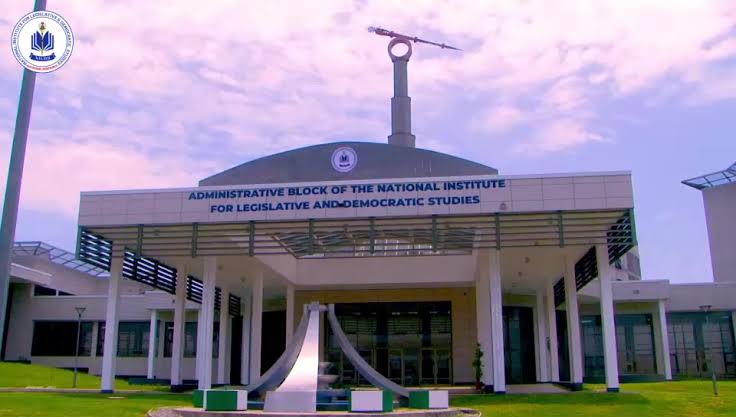
NILDS seeks stronger role for women in governance
According to the DG, democracy in Nigeria has come to stay and requires collective commitment.

Lagos
Lagos recruits 45 personnel to boost enforcement on Lekki-Epe corridor
Mr Osiyemi noted that the corridor had staffing challenges that slowed down operations.
Heading 2
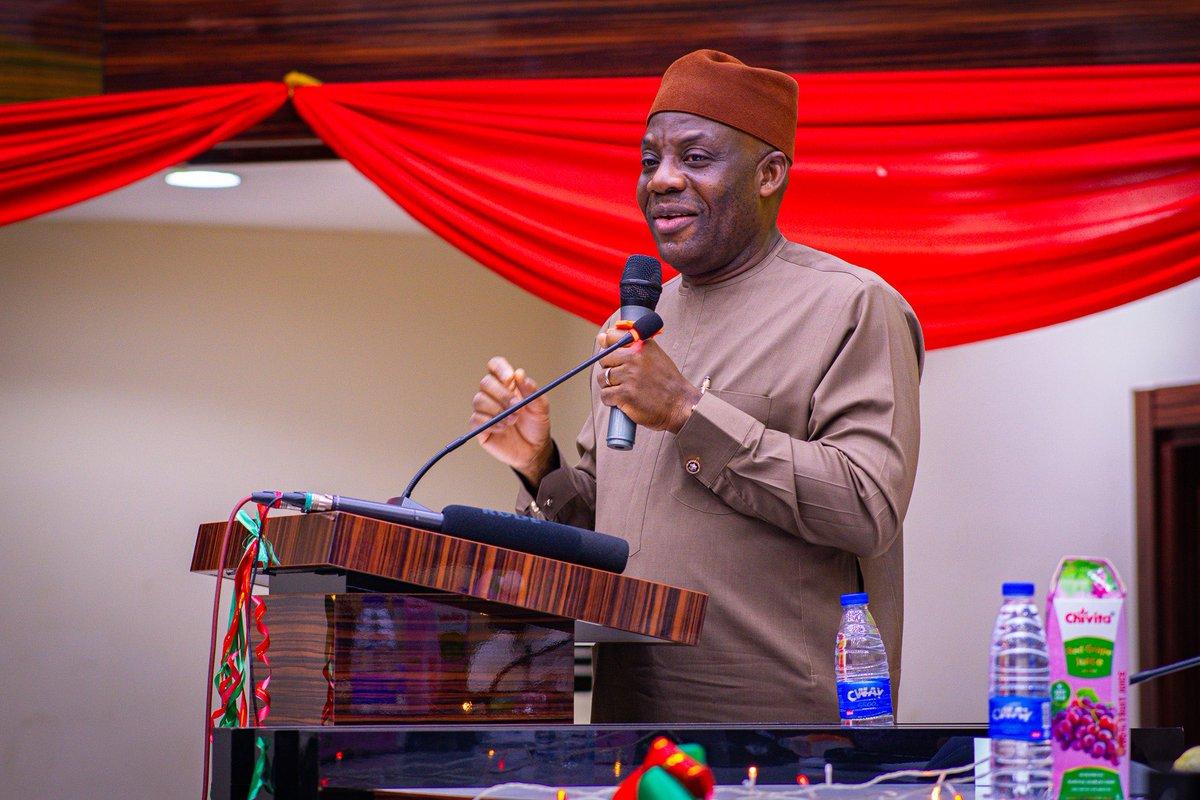
Education minister inaugurates Nigeria’s first robotic surgery academy
Mr Alausa said the initiative would expand advanced medical training.
Health
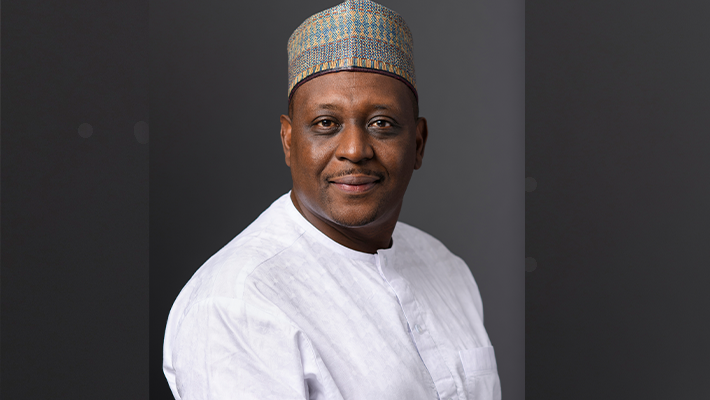
Pate warns politicians against politicising Ebola case
Mr Pate said health is a unifying issue that transcends political, ethnic and religious affiliations.
Economy
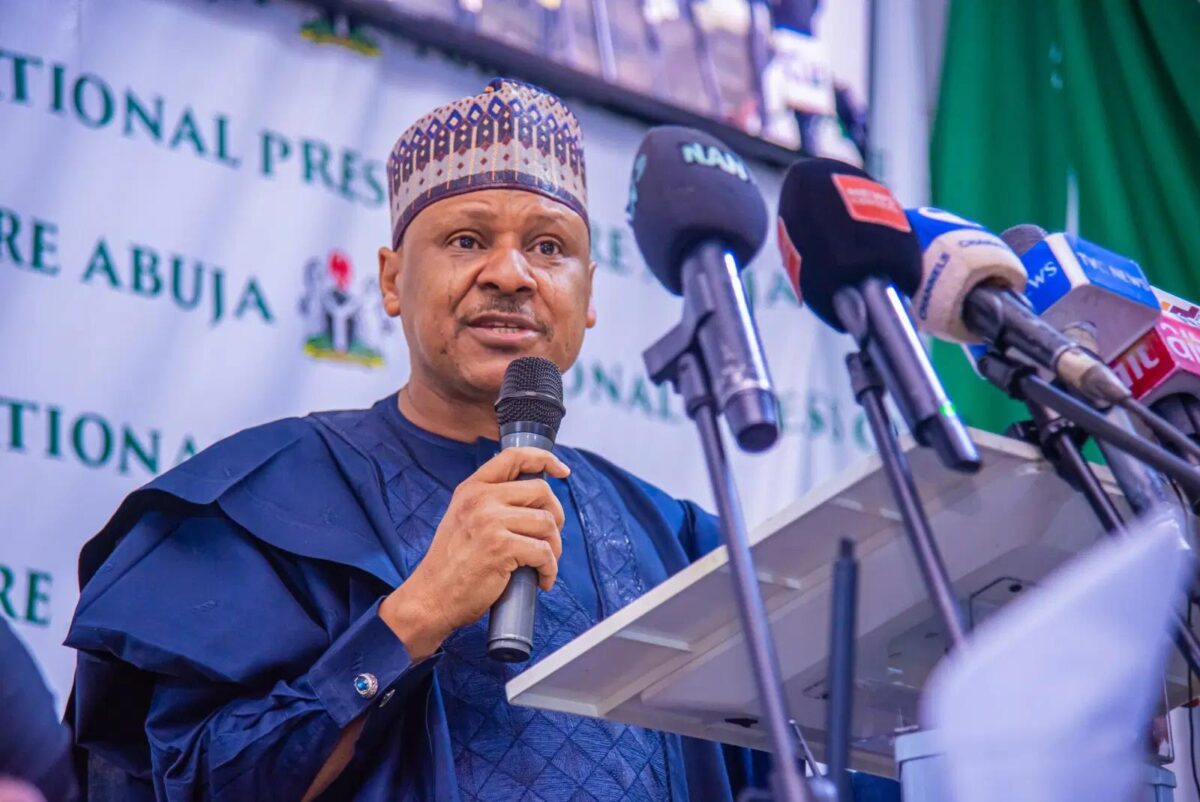
Tinubu’s economic reforms paving way for prosperity: Minister
The minister explained that the reforms were deliberate and courageous, aimed at addressing longstanding structural weaknesses.

Health
Kaduna expands last-mile health supply project to 1,000 facilities
Ms Isyaku said four zonal warehouses in Ikara, Sabon Gari, Zaria and Kafanchan, established under the project, were operational.


