

Nigeria has heritage of ‘financial, monetary fiascos’, dysfunctional economy: Shettima
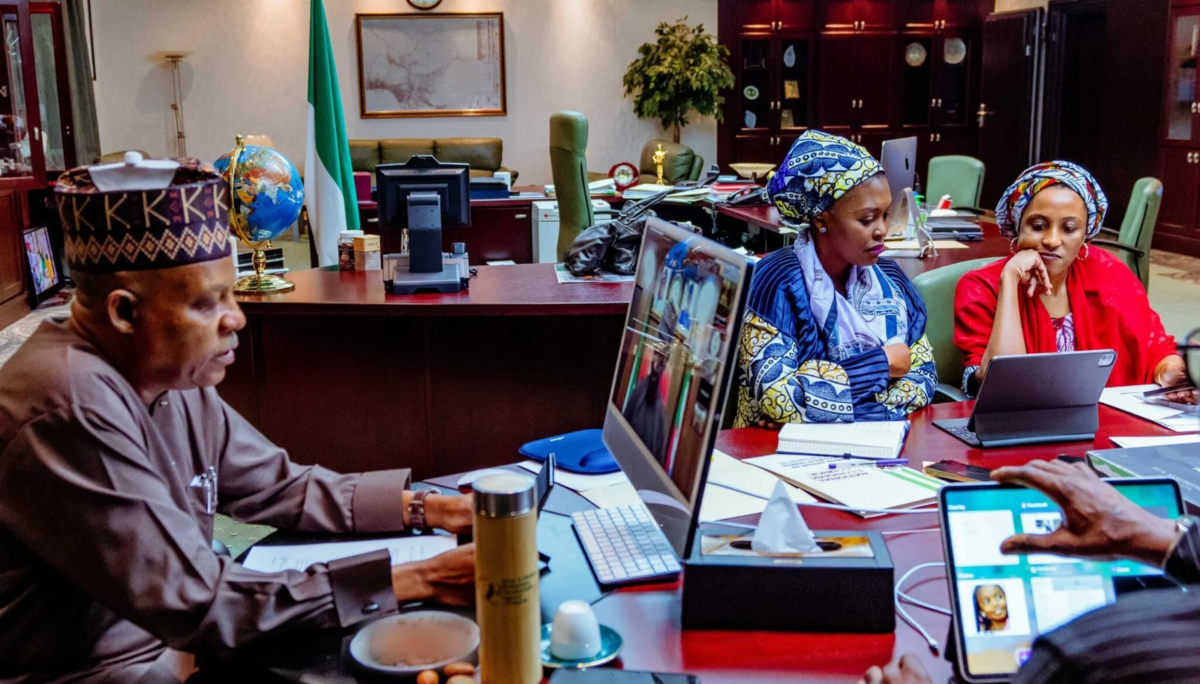
Vice-President Kashim Shettima has warned of the dire straits Nigeria’s economy and finances are in, stressing that “we must either redirect the economy towards a place of boom and competitiveness or brace for an impact we are unlikely to survive.”
Mr Shettima stated this during the 139th meeting of the National Economic Council (NEC), where steps to ensure food security and end the nation’s economic challenges were deliberated.
The council pledged to make fertiliser available to farmers and to establish agro-rangers to tackle insecurity on farms. NEC noted that fertiliser was a major ingredient of agricultural productivity, which the government strives to attain.
The council, therefore, urged the governors to embrace modern agricultural practices to increase productivity.
It also considered establishing agro-rangers in the short term and creating state police in the long term to address security threats to farmers.
This was after a presentation by the Minister of Police Affairs, Ibrahim Geidam.
The government said it was also planning to release 42,000 metric tonnes of food commodities from the National Strategic Reserve to address rising prices.
In his presentation on food security, the Minister of Agriculture and Food Security, Kyari Abubakar, called for action against the dollarisation of locally produced commodities like urea.
According to him, urea negatively impacts fertiliser prices and agricultural productivity.
Commenting on the presentation, Mr Shettima directed a meeting of the Federal Government with major fertiliser producers, including Indorama, Dangote and Notore.
He said Nigeria would overcome its economic challenges with collective efforts in developing a clear and actionable roadmap through short-term, medium, and long-term strategies.
Mr Shettima called for sound economic decisions that would reverberate with the expectations of Nigerians. He regretted that Nigeria had been a victim of strong averseness to evolving and keeping up with the changing global economic order.
This, according to him, leads to a situation where making difficult decisions to maximise its potential has become inevitable.
“We must either redirect the economy towards a place of boom and competitiveness or brace for an impact we are unlikely to survive. So, beyond the heritage of our financial and monetary fiascos, we must compare notes to understand the interconnectedness of the dysfunctions in each sector of the economy,” the vice-president explained.
Mr Shettima told council members that it was President Bola Tinubu’s desire to all stand together to collectively proffer solutions to safeguard the nation’s economy from imminent implosion.
He observed that while the wealth of every nation is in the belly of its citizens, the government has a long distance to cover in its interventions to enhance food availability and affordability.
“The call to secure and liberate areas under threat from violence, most of which are arable lands owned by our farming communities, is not just a matter of security but a strategic move to revive the economic lifeblood of our nation,” the vice-president noted.
Mr Shettima noted that the citizens are only keen about tangible results.
He added, “While economic experts foresaw this transitional phase on our journey to a flourishing future, it is crucial to recognize that the ordinary citizen on the street is not concerned with any economic theory.
“Their daily concerns are anchored in the tangible. They are more interested in the price of maize than the predictions of gross domestic product (GDP).
“So, as we deliberate on intricate economic strategies today, let us remain attuned to the heartbeat of the nation. We must ensure that our decisions resonate with the aspirations of the common man and woman who entrust us with their hopes and dreams.”
According to the vice-president, the country is in a pervasive emergency. He urged governors, ministers and other NEC members to align with the realities on the ground.
(NAN)
image.png

We have recently deactivated our website's comment provider in favour of other channels of distribution and commentary. We encourage you to join the conversation on our stories via our Facebook, Twitter and other social media pages.

More from Peoples Gazette

Agriculture
FG tasks ECOWAS on leveraging financing strategies for agroecology
The federal government has urged stakeholders in the agriculture and finance sectors in the West Africa region to leverage financing strategies to enhance agroecology practices

Politics
Katsina youths pledge to deliver over 2 million votes to Atiku
“Katsina State is Atiku’s political base because it is his second home.”

States
Kano architects demand strict enforcement of building regulations
Disturbed by recurring cases of building collapses, the Kano State chapter of the Nigerian Institute of Architects has called for strict enforcement of building regulations.

States
Flooding: NEMA, KADSEMA search for missing persons in Kaduna River
NEMA and KADSEMA have launched a search-and-rescue operation for two persons swept away by floodwaters in the Kaduna River.
States
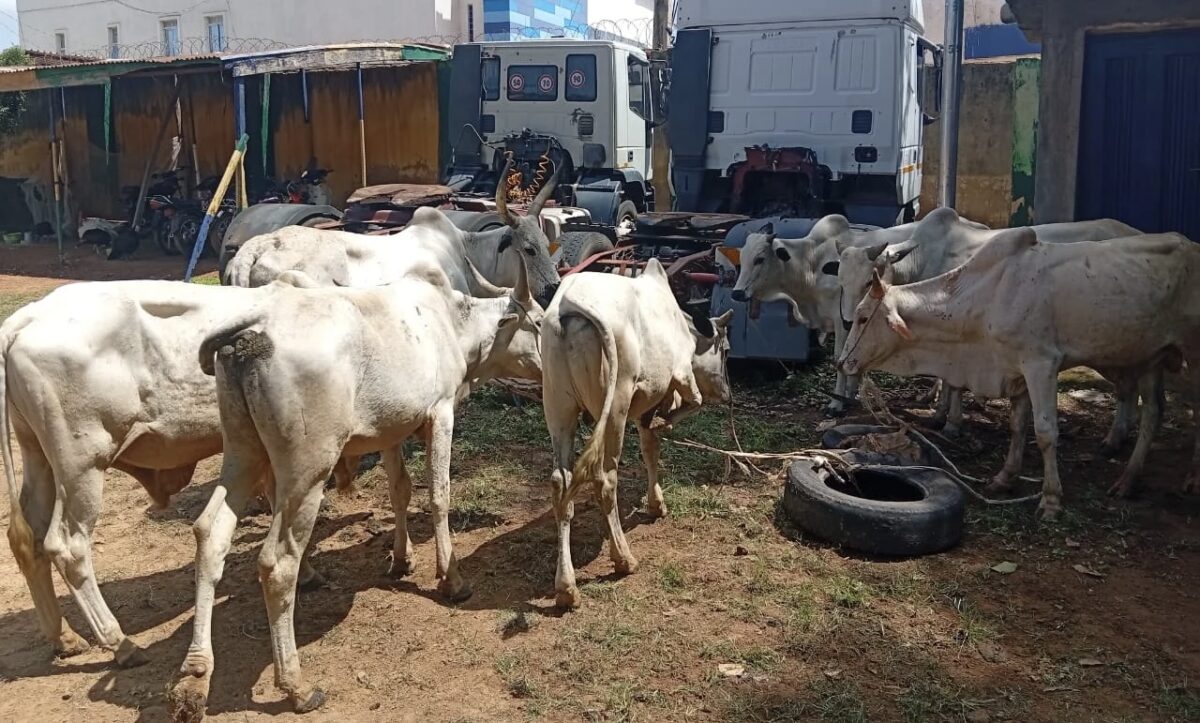
Police rescue 15 cows, one Katsina resident from bandits
The police command in Katsina says it has foiled kidnap and cattle rustling attempts in Funtua and Musawa council areas, rescuing one kidnap victim and recovering 15 rustled cows.
Agriculture
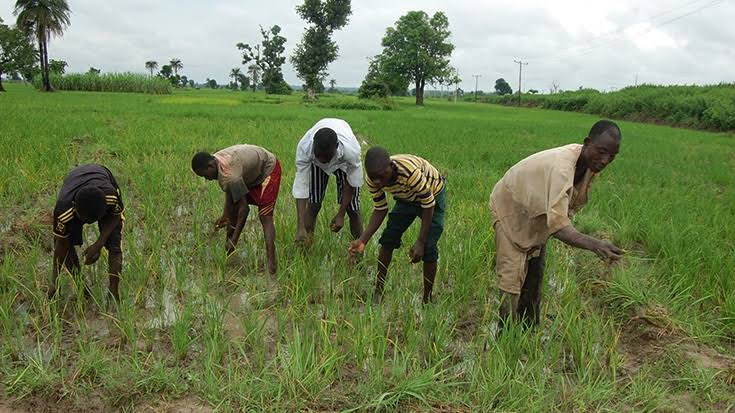
Farmers seek subsidised farm inputs to boost food production in Taraba
The farmers said the high cost and limited availability of fertilisers and other essential farm inputs had become major constraints as the rainy season commenced.

Politics
Kaduna: 12,000 people defect to APC in Lere LG
Twelve thousand members of opposition political parties have defected to the All Progressives Congress in the Lere council area of Kaduna.

Anti-Corruption
LS Cable & System USA agrees to pay $4 million to resolve PPP loan fraud allegations
LS Cable & System USA has agreed to pay $4 million to the United States to resolve allegations of false claims for payments under the Paycheck Protection Programme loans.


