

Nigeria has potential to be vaccine hub in Africa: Pate

Health minister Muhammad Pate says Nigeria has the potential to become a hub for local vaccine production and distribution in Africa.
Mr Pate said this in Abuja while addressing journalists on the ‘Renewed Hope for Nigeria’s Health and Social Welfare’.
The minister cited Nigeria’s large population, skilled workforce, and existing pharmaceutical industry as factors that could support the development of a robust vaccine manufacturing sector.
“On Local vaccine manufacturing, as you are all aware, until I came back as a minister, I was going to work with GAVI, an international organisation created in 2000 to improve access to new and underused vaccines for children living in the world’s poorest countries. And GAVI also shapes vaccine markets,” the health minister explained.
Mr Pate added, “What is clear is that market shaping is a key Instrument. Nigeria has over 200 million people, and that’s a large market. We intend to pull that demand and hopefully use that to catalysed local manufacturing.”
He also noted that the COVID-19 pandemic has highlighted the importance of local vaccine production and the need for African countries to be self-sufficient.
“If we do not produce more than 30 per cent of our pharmaceutical generics, let’s think of biological, like vaccines, that will take a little bit more time. There are already programmes that have been established for the last 15 to 16 years, and there have not yet produced a dose of vaccine here,” Mr Pate stressed.
However, he acknowledged that there were challenges to be overcome, such as lack of investment and infrastructure, regulatory barriers, and limited access to technology and expertise.
“Vaccine production is not something we will say we will do in two or three months,” said the health minister. “But, what we can assure Nigerians is that very soon, they will hear what we are doing in this arena so that over time, Nigeria can graduate from dependency from some medical commodities if not all medical commodities.”
Mr Pate called for increased collaboration between governments, the private sector, and international partners to support the growth of local vaccine manufacturing in Nigeria and across Africa.
“We can produce some of what we need and get some of what we don’t have. Almost all countries demand some other countries too, so I can not say that we will produce 100 per cent, but what I am saying is that we will produce some of what we can, and we can also get from some other countries,” added Mr Pate.
(NAN)

We have recently deactivated our website's comment provider in favour of other channels of distribution and commentary. We encourage you to join the conversation on our stories via our Facebook, Twitter and other social media pages.

More from Peoples Gazette

States
Independence: NBA urges Nigerians to expect better future
The NBA said that ordinary Nigerians should be deriving benefit from the subsidy removal rather than hardship.

Agriculture
FG tasks ECOWAS on leveraging financing strategies for agroecology
The federal government has urged stakeholders in the agriculture and finance sectors in the West Africa region to leverage financing strategies to enhance agroecology practices

Politics
Katsina youths pledge to deliver over 2 million votes to Atiku
“Katsina State is Atiku’s political base because it is his second home.”

States
NBA Ibadan to boycott Oyo judiciary’s new legal year event
The branch said it unanimously reached the boycott decision at its general meeting convened on Saturday.
Heading 1
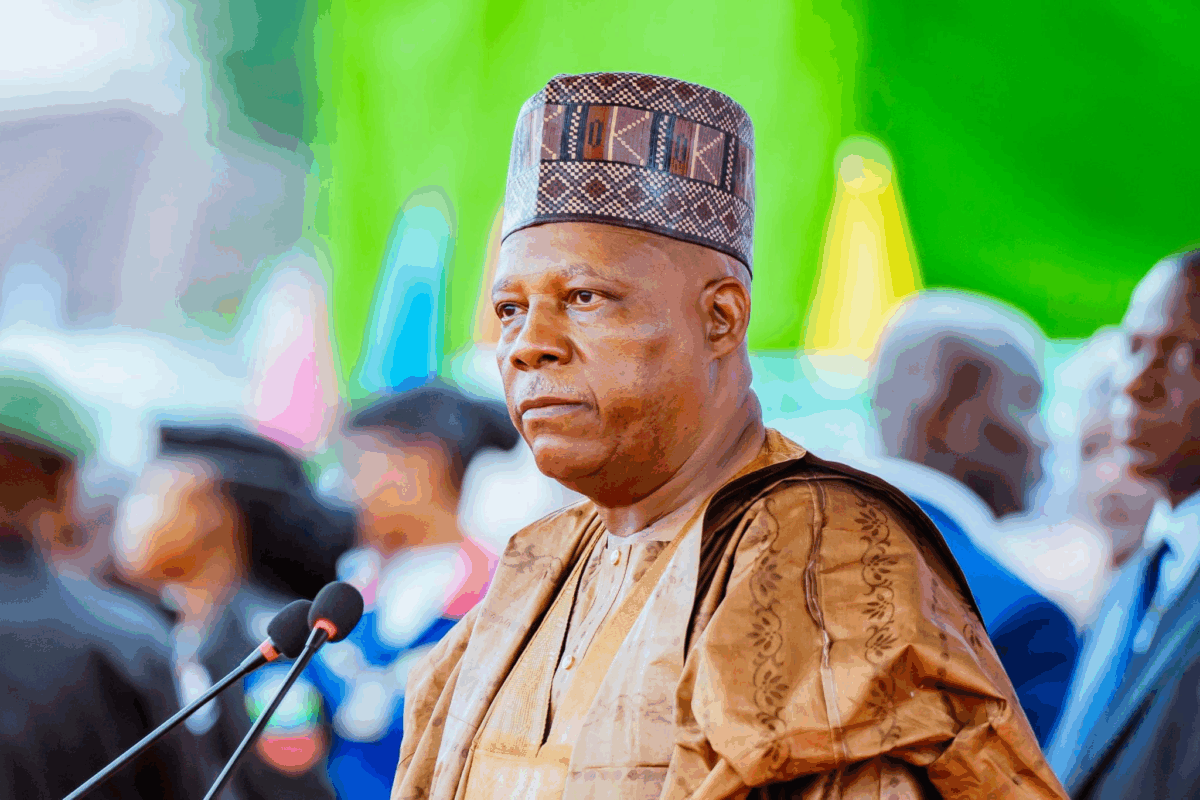
Under Buhari Nigeria was collapsing before Tinubu came as saviour: Shettima
Mr Shettima stated Nigerians should be kind towards Mr Tinubu.

States
Kano governor condoles NIPR chairman over father’s death
The governor urged the bereaved family to take solace in the good virtues and legacies left behind by the deceased.
![Vessels along Strait of Hormuz (Photo credit: Benoit Tessier/File Photo/Reuters]](https://gazettengr.com/wp-content/uploads/cxk79fQB.jpg)
World
Iran lists seven conditions to reopen Strait of Hormuz
Mr Ghalibaf said accepting the seven demands was the only way to reopen the oil passageway.
States
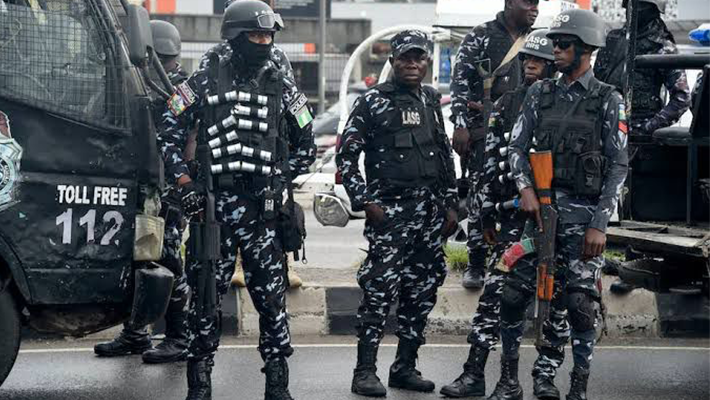
Two suspected cultists nabbed in Delta for alleged murder
Mr Edafe said the suspects were apprehended on Thursday by the command’s operatives of the Violent Crime Response Unit.

Lagos
Tinubu visits Oba of Lagos, receives monarch’s counsel, prayers
Some APC stalwarts, political associates and other dignitaries were part of the visit.


