

Nigeria must accelerate urban sanitation reforms, stakeholders say
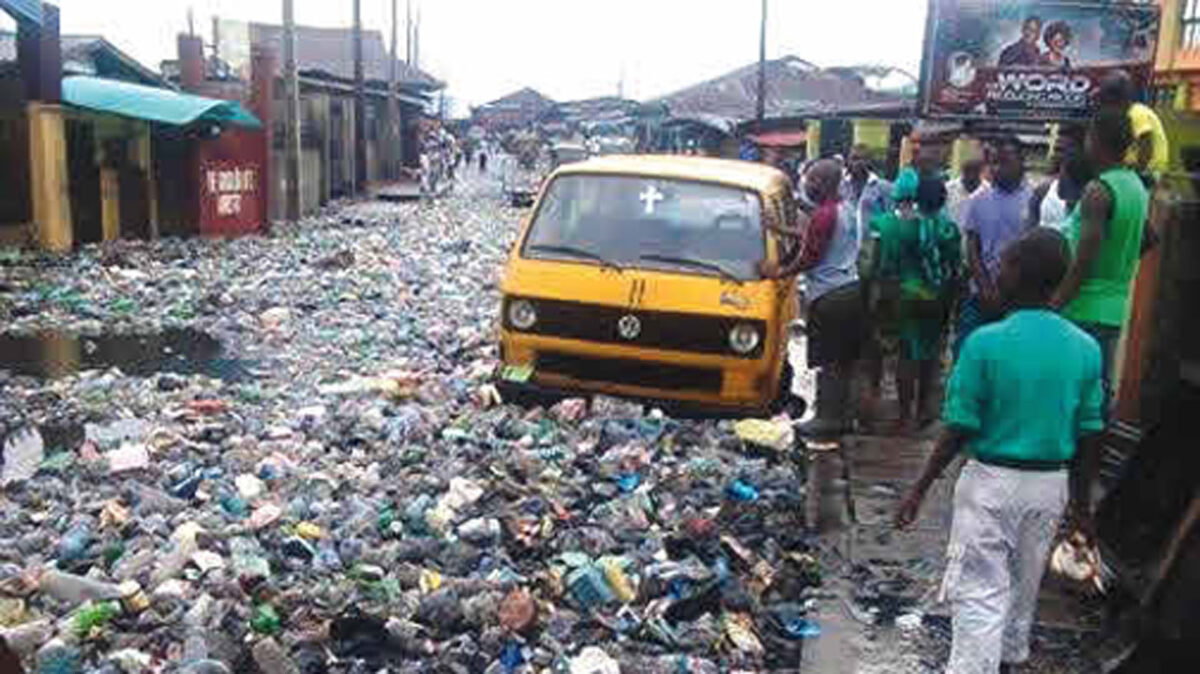
Stakeholders in Nigeria’s water and sanitation sector have called for accelerated reforms, increased investment and stronger collaboration to tackle urban sanitation challenges.
The call was made on Tuesday in Abuja at the unveiling of the Nigeria Urban Sanitation Sector Diagnostic Study Report, conducted by the African Water Facility under the African Urban Sanitation Investment Initiative (AUSII).
The Minister of Water Resources and Sanitation, Joseph Utsev, represented by acting permanent secretary, Ali Dallah, said the report marked a milestone toward achieving safely managed sanitation services.
Mr Utsev thanked the African Water Facility, the African Development Bank (AfDB) and other development partners for supporting Nigeria’s water, sanitation and hygiene (WASH) sector.
He said the study reflected Nigeria’s commitment to strengthening partnerships, mobilising investment and accelerating reforms to improve public health, protect the environment and enhance livelihoods.
He said sanitation was a strategic investment that reduced disease burden, protected water resources, created jobs and promoted sustainable economic growth.
Mr Utsev said the report assessed Nigeria’s urban sanitation sector and identified measures to strengthen regulation, improve utility performance, attract private investment and develop bankable sanitation projects.
He stressed that no single institution could deliver safely managed sanitation services alone, adding that the ministry would deepen collaboration with partners under AUSII.
He said the partnership would support inclusive sanitation, faecal sludge management, resource recovery, institutional capacity building and climate-resilient sanitation systems.
The director of water quality control and sanitation, Jamilu Danhabu, said rapid urbanisation, population growth, inadequate water supply and underinvestment were worsening sanitation challenges.
He said the report reviewed Nigeria’s sanitation status, highlighted achievements and challenges, and outlined the government’s reform priorities.
Mr Danhabu said access to basic sanitation stood at about 60 per cent nationwide, while safely managed sanitation remained at about 20 per cent.
He added that hygiene service coverage stood at about 25 per cent, school sanitation at 44 per cent and healthcare facilities at 15 per cent, while only 20 per cent of public places had adequate sanitation.
He said rapid urbanisation continued to outpace sanitation infrastructure, with most urban households relying on on-site sanitation due to limited sewerage networks.
He called for increased investment in faecal sludge collection, transportation, treatment, reuse and resource recovery, as well as stronger collaboration among stakeholders.
He said the government had developed policies, including the National Action Plan for WASH Revitalisation and the National Policy on Water Supply and Sanitation, which is under review.
Earlier, AfDB lead operations manager Orison Amu said the report was a roadmap for action, not merely a catalogue of challenges.
He said achieving universal sanitation by 2030 required coordinated efforts by governments, development partners, financial institutions, communities and the private sector.
Also speaking, Jeanne-Astrid Ngako of the AfDB said Nigeria’s projected population of more than 400 million made expanding safe sanitation services urgent.
She said urban sanitation was a national development priority requiring collaboration among governments, partners, academia, civil society and the private sector.
Ms Ngako said conventional sewerage systems alone could not meet future sanitation needs due to high costs and complex infrastructure requirements.
She said the AfDB and partners established AUSII to bridge the financing gap, adding that the initiative aimed to provide safe sanitation services to 15 million people.
She said AUSII would mobilise $7 billion in additional investments over the next decade to accelerate sanitation development.
Ms Ngako urged stakeholders to translate commitments into action, stressing that investment in sanitation supported public health, environmental sustainability, productivity and human dignity.
(NAN)

We have recently deactivated our website's comment provider in favour of other channels of distribution and commentary. We encourage you to join the conversation on our stories via our Facebook, Twitter and other social media pages.

More from Peoples Gazette

States
Independence: NBA urges Nigerians to expect better future
The NBA said that ordinary Nigerians should be deriving benefit from the subsidy removal rather than hardship.

Agriculture
FG tasks ECOWAS on leveraging financing strategies for agroecology
The federal government has urged stakeholders in the agriculture and finance sectors in the West Africa region to leverage financing strategies to enhance agroecology practices

Politics
Katsina youths pledge to deliver over 2 million votes to Atiku
“Katsina State is Atiku’s political base because it is his second home.”

Heading 3
El Niño: Experts warn of heat-related illnesses
She said prolonged heat could cause dehydration, heatstroke, cardiovascular strain and kidney complications.

Heading 4
Enugu community backs Tinubu, Mbah for 2027, seeks Nnamdi Kanu’s release
The traditional ruler urged political opponents to conduct their campaigns peacefully.

Education
UNILAG to test new students for drugs, substances in toxicology screening
UNILAG urged newly admitted students to visit its website for further information.
Heading 1
2027: DMI backs Tinubu’s reforms, forms alliance with president’s support group
She maintained that DMI’s ultimate mission was to promote stronger institutions.
Heading 4
ADC kicks off 2027 campaign in Imo, promises grassroots development
Mr Ihedioha explained that he associated with the party’s candidates because of their integrity.
States
Kebbi: Hassan-Augie wins fresh APC primary for Argungu/Augie constituency
The party said the constituency had 44,784 registered delegates, while 34,332 votes were cast in the election.


